This article may contain affiliate links. If you purchase a product or service through one of these links, we may earn a commission at no additional cost to you. These commissions help support the maintenance of this website and the creation of useful content.
Our recommendations are based on product features, compatibility, usability, and potential value. Please compare products, check current prices and specifications, and confirm compatibility with your irrigation system before making a purchase. Affiliate relationships do not influence our editorial opinions.
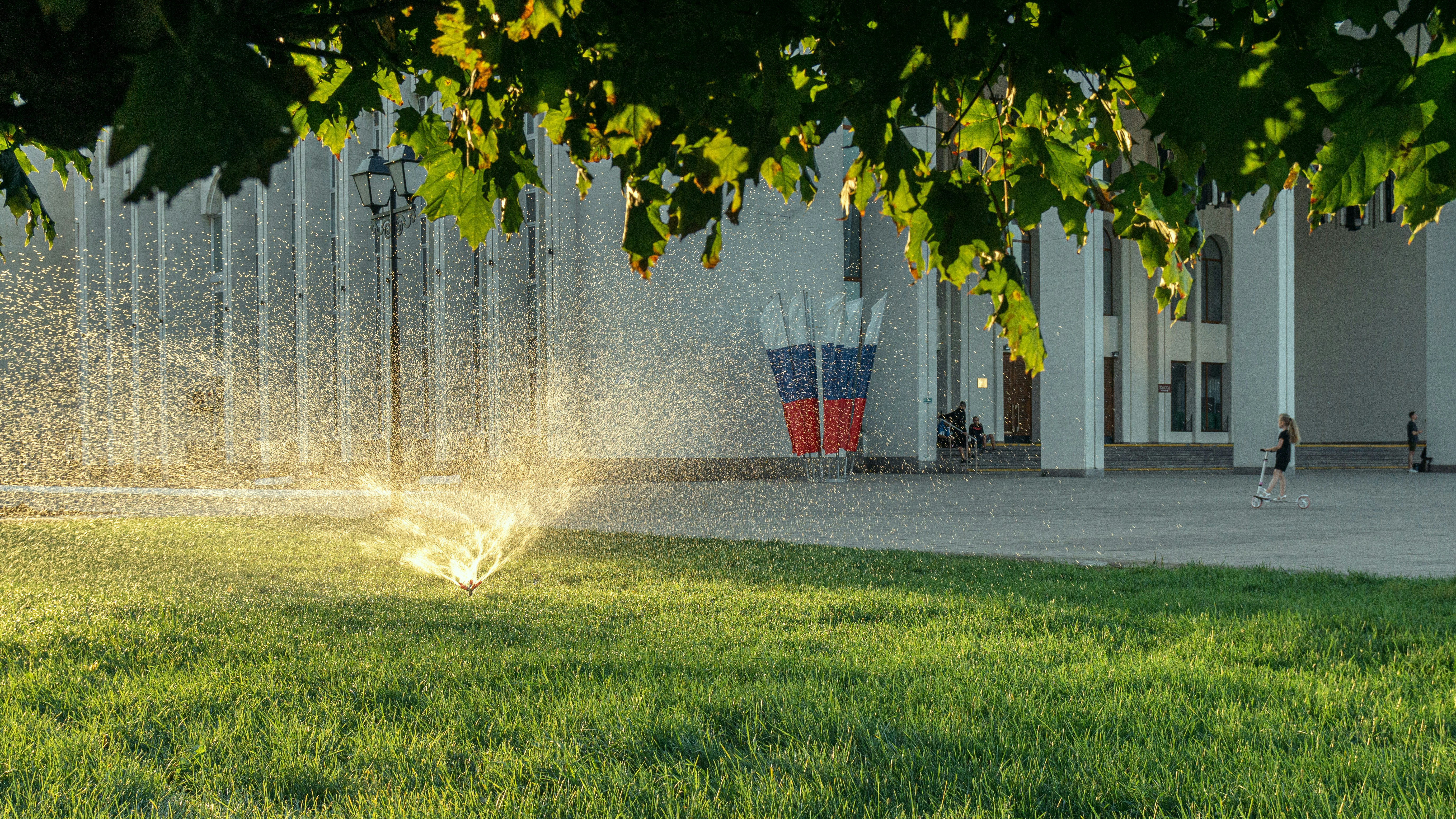
Smart irrigation controllers work by combining programmed watering zones with real-time weather data, soil-moisture readings, and local landscape conditions. In the USA, these devices automatically adjust watering times based on factors such as rainfall, temperature, humidity, soil type, and seasonal water restrictions. Instead of following a fixed timer, a smart controller can reduce, delay, or pause irrigation when plants do not need water.

- DITCH THE DIAL – Upgrade to smart irrigation with the free Rachio app for precise, easy control.
- AUTOMATIC WEATHER SKIPS – Patented Weather Intelligence skips watering for rain, wind, freeze & more.
- SAVE WATER YEAR-ROUND – Adaptive schedules help your yard thrive in April showers & July heat.
Connected through Wi-Fi or mobile apps, smart irrigation controllers allow homeowners and businesses to monitor watering remotely, receive alerts, and manage different zones more efficiently. When correctly installed and configured, they can help conserve water, lower utility costs, prevent overwatering, and support healthier landscapes across different US climates.
What Is a Smart Irrigation Controller?


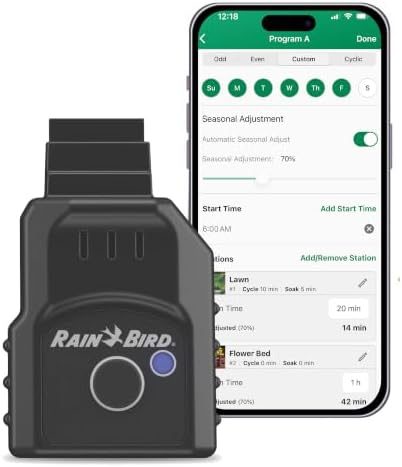

Smart irrigation controllers are advanced devices designed to optimize water usage in both residential and commercial landscaping. These controllers utilize sophisticated technology to assess environmental conditions and adjust watering schedules accordingly. Equipped with sensors and connected to Wi-Fi systems, smart irrigation controllers can automate the irrigation process, ensuring that plants receive the appropriate amount of water at the right time.
At the core of a smart irrigation system is the ability to gather data from multiple sources, including weather forecasts, soil moisture levels, and plant water requirements. For instance, when it rains, these controllers can suspend irrigation cycles, preventing overwatering and conserving water. This functionality is particularly beneficial in regions experiencing water scarcity, helping to promote sustainable practices in smart outdoor living.
Smart irrigation controllers can be integrated with smart home systems, allowing homeowners to manage their irrigation remotely via mobile applications. By connecting to platforms such as Google Home or Amazon Alexa, users can issue voice commands to start, stop, or modify their watering schedules. This feature not only enhances convenience but also reinforces the shift towards automated solutions in modern gardening.
The benefits of using smart irrigation controllers extend beyond convenience. For both residential and commercial users, these devices lead to significant water savings, reduced utility bills, and healthier landscapes. They also contribute to the overall efficiency of irrigation systems, making them a valuable investment for anyone looking to embrace eco-friendly practices. With their ability to adapt to changing environmental conditions, smart sprinkler systems represent a significant advancement in the field of irrigation technology.
How Do Smart Irrigation Controllers Work?
Smart irrigation controllers work by turning a standard irrigation system into an automated, data-driven watering setup. The controller is connected to one or more irrigation zones, and each zone can be managed independently based on the needs of the lawn, garden beds, shrubs, or drip irrigation areas. Instead of using the same schedule for every part of the landscape, the system adjusts watering by zone.
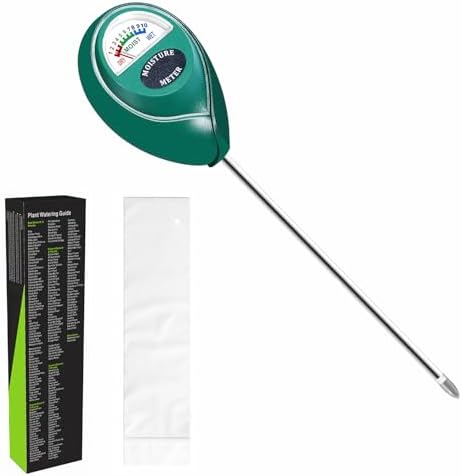


First, the controller gathers information from the landscape and the environment. It can use local weather data, rain forecasts, temperature, humidity, soil type, sun exposure, slope, and plant type to estimate how much water each zone needs. Some systems also use sensors such as rain sensors, flow sensors, or soil-moisture sensors to get more accurate readings from the yard itself.
Next, the controller compares that data with the watering schedule the user has set or with built-in smart scheduling rules. Many systems calculate watering needs using evapotranspiration, which estimates how much water plants lose through heat, sunlight, wind, and growth. Based on that calculation, the controller can increase watering during hot, dry periods or reduce watering when conditions are cool, cloudy, or wet.
When the system detects rain or another condition that makes watering unnecessary, it can pause or delay irrigation automatically. If the controller is connected to the internet, it can also receive updates throughout the day and make changes in response to changing weather. This is especially useful in the USA, where seasonal conditions and local watering restrictions can vary widely from one region to another.
After the schedule is adjusted, the controller sends the correct run time to each zone valve. That means one zone may water for a few minutes while another zone may run longer, depending on plant type and exposure. The system can also send notifications, usage reports, or fault alerts through a mobile app, helping users see whether a zone is overwatering, underperforming, or experiencing a problem.
For many homeowners, the final step is remote management. Through a mobile app or smart-home platform, they can start or stop zones, update schedules, view watering history, and respond to alerts from anywhere. When set up correctly, this process helps reduce waste, improve plant health, and keep irrigation aligned with changing US climate conditions.
Benefits of Using Smart Irrigation Controllers
Smart irrigation controllers represent a significant advancement in efficient water management for gardens and landscaping. By utilizing real-time weather data, these controllers optimize the watering schedule, ensuring plants receive only the necessary amount of water. This efficient use of resources contributes to substantial water conservation, which is essential in regions facing drought or water scarcity.
One of the primary advantages of smart irrigation controllers is their ability to reduce utility costs. Homeowners who implement these systems often observe a noticeable decrease in their water bills, attributed to decreased water wastage. Studies have indicated that households equipped with smart sprinkler systems can save up to 30% on water usage compared to traditional irrigation methods. These savings can offset the initial investment in smart home technology, making it a financially sound decision.
Moreover, smart irrigation controllers enhance plant health by delivering precise amounts of water based on environmental factors. Unlike conventional timers, these advanced systems adapt to fluctuations in weather, such as rainfall or temperature changes. For instance, when it rains, the controllers can automatically suspend watering, preventing overwatering, which is harmful to plant roots. Conversely, during dry spells, they ensure that plants receive adequate moisture, fostering a healthy and thriving landscape.
An example of this can be seen in various smart outdoor living setups, where homeowners integrate these controllers with Wi-Fi systems and smart home devices like Google Home or Amazon Alexa. Such integration allows for effortless management of irrigation systems, providing users with the flexibility to control their landscaping from their smartphones or through voice commands. Additionally, many smart irrigation systems provide detailed analytics and data to users, enabling them to make informed irrigation decisions based on actual system performance.
In summary, the adoption of smart irrigation controllers yields numerous benefits, including water conservation, financial savings, and increased plant vitality, making them an essential component of modern smart outdoor living.
Choosing the Right Smart Irrigation Controller
When selecting a smart irrigation controller, several critical factors must be taken into consideration to ensure optimal performance and ease of use. The first consideration is compatibility with existing irrigation systems. Homeowners should assess whether their current setup can integrate with various smart home technology platforms, including popular options like Google Home and Amazon devices. Some models may require specific configurations or additional equipment to function effectively.
Another important factor is the ease of installation and user-friendliness of the device. Many modern smart sprinkler systems are designed to be installed without professional assistance, featuring straightforward guides and user-friendly interfaces. A controller that offers intuitive controls and a simple mobile app can greatly enhance the user experience, making garden management more efficient.
Smart features are also crucial when selecting the right device. Look for options that provide app connectivity, allowing users to monitor and adjust their irrigation systems remotely. Features such as weather tracking, scheduling options, and real-time notifications can improve water efficiency and reduce overall consumption. The capability to customize watering schedules based on specific plant needs or environmental conditions can contribute significantly to better outdoor living practices.
Finally, budget considerations should guide the decision-making process. While investing in a high-quality smart irrigation controller can lead to long-term savings on water bills and a healthier garden, there is a wide range of prices among various models. Carefully comparing different devices, taking into account their features and warranties, can help homeowners find a system that strikes the perfect balance between functionality and cost.
In conclusion, choosing the right smart irrigation controller involves understanding how it will work with existing systems, evaluating ease of use, considering smart features, and weighing budget constraints. By addressing these factors, homeowners can enhance their smart outdoor living experience and ensure their gardens thrive with efficient and effective irrigation practices.
Installation and Maintenance Tips
Installing a smart irrigation controller is a rewarding step towards achieving efficient water use for your landscape. To start the installation process, it is important to carefully read the user manual provided by the manufacturer, as specific instructions may vary by model. Here are some general steps to guide you through a successful installation.
First, choose a suitable location for the smart sprinkler controller that allows a strong Wi-Fi connection. This is essential for both setup and operation, as many smart irrigation controllers integrate with Wi-Fi systems and can be controlled remotely through apps on smart home devices, including Google Home and Amazon.
Next, ensure that the power source is accessible and that the device is mounted securely. Use the included screws, brackets, or adhesive strips as recommended. After securing the unit, connect the existing wires from your irrigation system according to the setup guide. Each wire usually corresponds to a specific zone in your garden, so double-check your connections to ensure zones will be managed correctly.
Once the wiring is in place, power up the controller. Follow the on-screen prompts to connect the device to your home Wi-Fi network. It is crucial to maintain a stable connection to ensure seamless operation of your smart outdoor living features.
After installation, regular maintenance is key to optimal performance. Periodically check the system for any signs of wear or damage, and clean the sprinkler heads to prevent clogs. Additionally, reviewing and updating watering schedules during seasonal changes can help maintain an efficient irrigation cycle.
Common troubleshooting issues include connectivity problems and incorrect watering scheduling. Should you encounter a connectivity issue, confirm that your Wi-Fi signal is strong in the area of the controller. For scheduling errors, double-check the settings through the accompanying mobile app or consult the user manual for guidance.
By following these installation and maintenance tips, you can ensure that your smart irrigation controller operates effectively, contributing to a healthier, more sustainable outdoor living environment.
Pingback: The Best Smart Irrigation Controllers for Drought-Prone Regions