
This article may contain affiliate links. If you purchase a product through one of these links, we may earn a commission at no additional cost to you. Our recommendations are based on the information and features we believe may be useful to readers.

- DITCH THE DIAL – Upgrade to smart irrigation with the free Rachio app for precise, easy control.
- AUTOMATIC WEATHER SKIPS – Patented Weather Intelligence skips watering for rain, wind, freeze & more.
- SAVE WATER YEAR-ROUND – Adaptive schedules help your yard thrive in April showers & July heat.
Yes, smart irrigation systems can save water in the USA, but the amount depends on how well they are installed and managed. By using sensors, weather data, and automated controllers, these systems can reduce overwatering, runoff, and unnecessary irrigation compared with traditional fixed timers. However, results vary by climate, soil type, landscape design, equipment, and maintenance.
Understanding Smart Irrigation Systems

- Intelligent Irrigation Control: The Orbit Smart Sprinkler Controller manages watering with a powerful smart sprinkler th…
- Indoor/Outdoor Installation: Designed for versatile placement with a protective weatherproof case, this multi-zone sprin…
- Smart Scheduling & Management: Easily create custom irrigation schedules using an app controlled interface that allows u…
Smart irrigation systems represent a revolutionary approach to water management in both agricultural and residential settings, aiming to maximize efficiency in water use. At the core of these systems are several key components, including sensors, timers, and a smart water controller, which work together to optimize irrigation schedules and minimize water wastage.
Sensors are integral to smart irrigation systems. They assess various environmental conditions, such as soil moisture levels, temperature, and rainfall. By collecting real-time data, these sensors enable the system to adjust water delivery according to current needs rather than relying on a fixed schedule. This adaptability enhances the efficiency of water use significantly when compared to conventional irrigation methods that often lead to overwatering.
Timers and controllers further streamline the irrigation process. A smart water controller can be programmed to work in conjunction with weather forecasts or soil moisture data provided by sensors. For instance, if rain is anticipated, the system can postpone watering, thus conserving water resources effectively. Many smart irrigation systems also offer compatibility with smart home technologies such as Google Home and Apple Alexa, allowing users to manage irrigation with voice commands or through mobile applications.

- Smart Irrigation Control Anywhere: The Orbit B-hyve Indoor Smart Sprinkler Controller provides smart sprinkler timer fun…
- Automated Watering For Healthier Landscapes: This automatic watering system supports multiple irrigation methods and cus…
- Multi Zone Water Management: This multi-zone sprinkler allows independent scheduling for different areas while providing…

- COMPATIBILITY NOTICE: Compatible with all Hunter X2 sprinkler controllers.
- RELIABLE 2.4GHZ WI-FI + BLUETOOTH SETUP: Connect via 2.4GHz Wi-Fi (802.11 b/g/n, 20 MHz), Bluetooth, Wi-Fi Direct, or WP…
- WEATHER BASED WATERING WITH HYDRAWISE: Hydrawise automatically adjusts watering schedules based on local weather forecas…

- 5 Year Care, Great Quality Build.
- Easy Use App Control: Take charge of your sprinkler system from anywhere with the easy-to-use Hioazo app. Access waterin…
- Weather-Smart Functionality & Save Water: Stay ahead of nature’s curve with intelligent skip features. Rain, frost, or w…

- Effortless Yard Irrigation Setup: The Orbit All-in-One Automatic Watering System simplifies yard irrigation with a compl…
- DIY Sprinkler Installation: Built for reliability, this DIY sprinkler system uses easy push-fit technology with patented…
- Even Lawn Coverage: Engineered for efficient large area watering with dependable head-to-head coverage, the gear drive s…
In contrast to traditional irrigation systems, which often apply a uniform amount of water across the landscape regardless of varying conditions, smart irrigation systems utilize precise, data-driven techniques to deliver only the necessary volume of water needed for optimal plant health. This not only helps in conserving water but also promotes healthier plants and reduces overall maintenance efforts.
In summary, smart irrigation systems leverage advanced technology to transform the way water is utilized for irrigation. With their reliance on sensors, timers, and smart controllers, they pave the way for smarter outdoor living, ensuring that water conservation becomes a feasible reality in households and farms across the USA.
Explain the Different Smart Irrigation Technologies
Weather-Based Controllers
Weather-based controllers use local weather information, such as temperature, rainfall, and evapotranspiration estimates, to adjust irrigation schedules. They can delay or reduce watering when conditions indicate that plants need less water.
Soil-Moisture Sensors
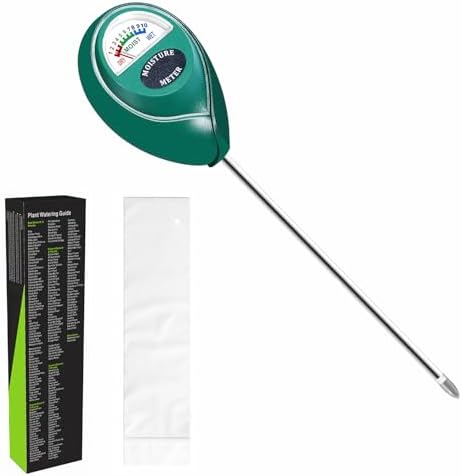
Soil-moisture sensors measure the amount of water available in the soil. A controller can use these readings to start, stop, or modify irrigation when the soil reaches a selected moisture level.
Rain and Freeze Sensors
Rain sensors can pause irrigation after rainfall, while freeze sensors can prevent watering during conditions that may create ice or damage plants and equipment.
Flow Sensors and Leak Detection
Flow sensors monitor the amount of water moving through an irrigation system. Unexpected flow may indicate a broken pipe, stuck valve, or other leak, although the sensor itself does not repair the problem.
Drip Irrigation and Microirrigation
Drip and microirrigation systems deliver water slowly near plant roots through emitters or small distribution devices. They can improve application accuracy for suitable plants and layouts, but they still require correct design, pressure management, and maintenance.
Smart Irrigation Controllers and Mobile Apps


Smart controllers connect irrigation schedules with sensors, weather services, or mobile applications. Depending on the model, users may monitor schedules, receive alerts, and make adjustments remotely.
Benefits of Smart Irrigation for Water Conservation
Smart irrigation systems represent a significant advancement in the domain of water management, particularly in the context of landscaping and agriculture. These systems utilize technology to optimize water usage, thereby contributing significantly to water conservation efforts across the United States.

- WORRY-FREE VACATION PLANT SELF-WATERING SYSTEM: Never worry about your indoor plants while traveling. This automatic irr…
- SMART LED DISPLAY & INTUITIVE CONTROL: Unlike blind timers, the beday auto drip irrigation system features an advanced L…
- INTELLIGENT HUMIDITY & TIMER MODES: Unlike basic timers, this automatic plant waterer system features an advanced humidi…
One of the foremost benefits of smart irrigation systems is their ability to minimize water waste. By employing sensors and weather data, these systems adjust watering schedules and amounts based on real-time conditions. This means that water is applied only when needed, preventing overwatering and water runoff, which are common issues in traditional irrigation methods. Consequently, not only does this conserve water, but it also supports healthier plant growth.
Maintaining optimal soil moisture levels is another critical advantage of smart irrigation systems. With the help of sophisticated moisture sensors, these systems can monitor soil conditions and deliver precise amounts of water directly to the roots of plants. This targeted approach ensures that plants receive adequate hydration without the risk of saturation, which can lead to root rot and other detrimental conditions. As a result, users can achieve lush, healthy landscapes while keeping water consumption at a minimum.
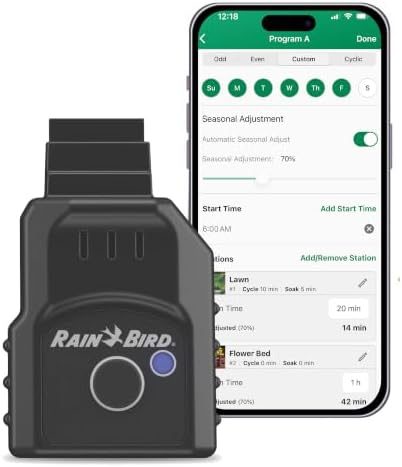
- Upgrade Existing Controllers with Wireless Access – Transform compatible irrigation controllers into connected systems w…
- Manage Watering from Virtually Anywhere – Adjust run times, update programs, activate rain delays, and control individua…
- Stay Informed with Smart Monitoring Tools – Receive status updates, monitor activity, manage multiple properties, and ac…
Furthermore, there are notable economic benefits associated with the implementation of smart irrigation technology. By reducing water usage, homeowners and farmers can see a decrease in their water bills, making smart irrigation systems not only a sustainable choice but a financially savvy one as well. Moreover, many smart water controllers integrate seamlessly with smart home systems like Google Home and Apple Alexa, offering users convenience and control over their irrigation practices.
In summary, the benefits of smart irrigation systems are multifaceted, enhancing water conservation efforts through reduced water waste, optimal soil moisture management, and economic savings. By incorporating such smart technology into their practices, users can contribute to a more sustainable approach to outdoor living and farming while enjoying a flourishing environment.
Who Can Benefit from Smart Irrigation?
Homeowners
Homeowners can use smart irrigation systems to manage lawns, gardens, and residential landscapes more efficiently.
Farmers
Farmers can use sensors, weather data, and automated controllers to support more precise irrigation across agricultural areas.
Municipalities
Municipalities can use smart irrigation systems to manage water use in parks, public gardens, and other large landscapes.
Evidence on Water Savings
Evidence from established water-management organizations supports the underlying principle of smart irrigation: watering should be adjusted to plant needs and current site conditions rather than controlled by a fixed schedule alone. The U.S. Environmental Protection Agency’s WaterSense program identifies weather-based and soil-moisture-based irrigation controllers as technologies that can help prevent unnecessary watering when they are correctly installed, programmed, and maintained.

- EFFORTLESS REPLACEMENT FOR HUNTER X-CORE & LEGACY MODELS: Easily upgrade your old or damaged Hunter indoor timer. The XC…
- 6 ZONES, 3 PROGRAMS, 4 START TIMES FULL CONTROL FOR ANY YARD: Water lawns, gardens, and drip zones on independent schedu…
- NO WIFI REQUIRED RELIABLE PERFORMANCE WITHOUT THE TECH HEADACHES: Skip the app logins and connection drops. This indoor …
Guidance from the U.S. Department of Agriculture and its Natural Resources Conservation Service also emphasizes measuring soil moisture, improving irrigation scheduling, and applying water efficiently. These recommendations support the use of sensors and automated controls, but they do not guarantee a single water-saving percentage for every landscape or farm. Actual results depend on the existing system, soil, climate, plant requirements, and user settings.
Research and field experience therefore support a qualified conclusion rather than one universal figure: smart controllers can reduce water waste when they replace inappropriate schedules, but they cannot compensate for leaks, poor sprinkler coverage, or unsuitable irrigation design. Readers should look for results measured against a clearly described baseline and reported by an identifiable utility, university, government agency, or research organization.
These findings show why smart irrigation should be treated as one part of a broader conservation strategy. Efficient equipment, regular inspections, appropriate plant choices, and seasonal adjustments remain essential for achieving measurable water savings.
Limitations and Recommendations
Smart irrigation systems do not guarantee water savings. Sensors can give misleading readings if they are installed in an unrepresentative location, and weather-based controllers depend on the accuracy of their local weather data and settings. A smart controller also cannot fix leaking pipes, blocked or poorly aimed sprinkler heads, uneven water pressure, poor zone design, or plants that are not suited to the site.
These systems may also involve higher upfront costs, internet or app dependencies, subscription fees, and ongoing maintenance. A system that is not monitored and adjusted as seasons, plants, or landscape conditions change may waste water just as a conventional timer can. For farms and large properties, installation and calibration should account for crop needs, soil variability, and irrigation uniformity.
Before purchasing a smart system, inspect and repair the existing irrigation equipment, check sprinkler coverage, identify plant water requirements, and compare the expected cost with likely savings. Choose a controller or sensor system that is compatible with the existing valves and irrigation layout, and review its schedule regularly. Measure water use before and after installation where possible, so the system’s actual performance can be verified rather than assumed.
Choosing the Right Smart Irrigation System for Your Needs
Selecting the appropriate smart irrigation system is crucial for optimizing water usage and ensuring the health of your garden or agricultural crops. With various smart irrigation technologies available on the market, it is essential to assess your individual requirements and conditions before making a decision. The first factor to consider is the type of soil you are working with, as different soil types have varying water retention capacities. Sandy soils, for example, drain more quickly than clay soils, which can affect the scheduling and efficiency of your irrigation system.
Another important aspect to evaluate is your local climate. Regions with higher temperatures and lower rainfall may require a more robust system that can efficiently manage water distribution, while areas with more consistent rainfall may benefit from systems that can adapt water schedules based on real-time weather data. Smart irrigation systems equipped with sensors can automatically adjust watering times and amounts according to environmental conditions, ensuring optimal performance.
Your budget is also a key consideration. Smart irrigation systems range from simple timers to sophisticated setups integrated with smart home technology, such as Google Home or Apple Alexa. Prioritize systems that provide the best value for the features they offer. Moreover, consider the future scalability of the system; you may want to expand or modify it as your gardening or agricultural needs evolve.
Lastly, assess the available technology in your area. Some systems require Wi-Fi connectivity, while others operate on cellular networks or Bluetooth. Ensure that the installation of your chosen smart water controller is compatible with your existing infrastructure and meets your needs for smart outdoor living. By taking these factors into account, you can select a smart irrigation system that not only conserves water but also enhances the overall efficiency of your gardening practices. This thoughtful selection process ultimately contributes to more sustainable water use in your landscape or agricultural endeavors.
Frequently Asked Questions About Smart Irrigation
Do smart irrigation systems really save water?
They can reduce unnecessary watering by adjusting schedules according to weather, rainfall, or soil moisture. Actual savings depend on proper installation, programming, irrigation design, and maintenance.
Are smart irrigation controllers worth the cost?
They may be worthwhile for properties with high water use or inefficient fixed schedules. Compare the equipment and installation costs with potential water-bill savings before purchasing.
What is the difference between a weather-based and soil-moisture-based controller?
A weather-based controller uses local weather and evapotranspiration data to adjust watering. A soil-moisture-based controller relies on sensors that measure moisture directly in the soil.
Can smart irrigation systems work with existing sprinkler systems?
Many smart controllers are compatible with existing irrigation valves and sprinkler zones. Compatibility should be checked before installation, especially if the system uses older wiring, unusual valves, or multiple zones.
Do smart irrigation systems need Wi-Fi?
Some systems require Wi-Fi for weather updates, mobile controls, and notifications, while others can operate with local sensors or manual programming. Wi-Fi-dependent features may not work during an internet outage.
Are soil-moisture sensors better than rain sensors?
They serve different purposes. Soil-moisture sensors measure conditions near plant roots, while rain sensors detect rainfall and can pause irrigation. Some systems use both technologies together.
How often should a smart irrigation system be checked?
Inspect the system regularly and review its schedule when seasons, rainfall, plants, or landscaping conditions change. Also check for leaks, blocked emitters, damaged sprinkler heads, and inaccurate sensor readings.