Some links in this article may be affiliate links. If you purchase a product through one of these links, we may receive a small commission at no additional cost to you. These commissions help support the website and allow us to continue publishing useful content.

- DITCH THE DIAL – Upgrade to smart irrigation with the free Rachio app for precise, easy control.
- AUTOMATIC WEATHER SKIPS – Patented Weather Intelligence skips watering for rain, wind, freeze & more.
- SAVE WATER YEAR-ROUND – Adaptive schedules help your yard thrive in April showers & July heat.
Best Smart Irrigation Controllers for Lower Water Bills in 2026
Choosing the right smart irrigation controller can help U.S. homeowners reduce unnecessary watering, simplify lawn care, and maintain a healthier landscape. The best option depends on your yard size, number of irrigation zones, local climate, budget, and existing sprinkler system. For most homeowners, the Rachio 3 is a strong all-around choice, while the Orbit B-hyve is better suited to budget-conscious buyers, RainMachine appeals to advanced users, and Hunter Hydrawise is designed for larger properties or professional-grade installations.


Smart irrigation controllers connect to your sprinkler system and use schedules, local weather data, and—in some cases—soil-moisture information to adjust watering. By skipping irrigation during rain and adapting to changing conditions, they can help prevent overwatering and reduce wasted water. However, actual savings vary depending on your climate, landscape, sprinkler coverage, water rates, and the condition of your irrigation system.

- INSTANT RAIN AND FREEZE SHUTOFF: Quick Response technology stops your sprinkler system the moment rain begins or tempera…
- WIRELESS, MAINTENANCE-FREE DESIGN: Built in battery means no wiring, trenching, or complicated setup, install it in minu…
- EASY INSTALL ON GUTTER OR WALL: Includes both wall mount and gutter bracket for fast, flexible installation anywhere on …
In this guide, we compare several leading irrigation controllers and explain which type of homeowner each model may suit best. We also cover the key features to evaluate, including zone capacity, Wi-Fi connectivity, weather-based scheduling, smart-home compatibility, installation requirements, and ongoing app or subscription costs.
Quick Comparison of the Best Irrigation Controllers
| Controller | Best for | Main advantage | Potential limitation |
|---|---|---|---|
| Rachio 3 Smart Sprinkler Controller | Most homeowners | Easy app and weather-based scheduling | Check zone and wiring compatibility before buying |
| RainMachine Touch HD-12 | Advanced users | Detailed controls and weather-data customization | Setup may require more hands-on work |
| Orbit B-hyve Smart Sprinkler Controller | Budget-conscious buyers | Affordable smart scheduling and monitoring | May offer fewer advanced features than premium models |
| Hunter Hydrawise Controller | Large properties and professional installations | Robust multi-zone management | May be more complex than necessary for a small yard |
Product specifications, prices, warranties, subscription requirements, and compatibility can change. Confirm current details with the manufacturer before purchasing.
Understanding Irrigation Controllers
A smart irrigation controller manages when and how long each irrigation zone operates; it does not replace the sprinkler heads, valves, pipes, or pump. If sprinkler heads are damaged, pipes leak, or water is distributed unevenly, installing a smart controller alone may not solve the problem. Check the condition of the entire irrigation system before expecting lower water use or reduced utility bills.
Irrigation controllers play a pivotal role in modern agricultural practices and garden management. These devices are designed to regulate and optimize the water distribution in crop fields or landscaped areas, making them essential for efficient water use. By automating the process of watering, smart irrigation controllers enable users to program their irrigation schedules, ensuring that plants receive the appropriate amount of water at the right times.


The primary purpose of irrigation controllers is to help conserve water while promoting healthy plant growth. In settings such as gardens or farms, where water consumption can be substantial, employing a smart irrigation system can significantly reduce costs associated with water usage. For instance, these systems utilize weather data and soil moisture levels to determine when and how much to water, preventing over-irrigation and unnecessary waste.
Several types of irrigation controllers are currently available on the market, catering to varying needs and preferences. Traditional timers offer basic functionality, allowing users to set specific watering times. However, more advanced options, such as smart irrigation controllers, are increasingly popular among those with smart homes or who are interested in smart outdoor living. These controllers are connected to the internet, enabling them to access real-time weather information and adjust watering schedules accordingly.
In addition to smart irrigation controllers, there are also various smart irrigation sprinklers designed to enhance water efficiency. These devices can detect environmental changes like rainfall and adjust the water output automatically, further contributing to water conservation efforts. By integrating these innovative technologies into gardening and agricultural routines, users can not only reduce their water expenses but also contribute to a more sustainable approach to landscape and crop management.
Benefits of Using Irrigation Controllers

- Accurate Soil Moisture Detection: The XLUX Soil Moisture Meter can tell you if the soil deep inside your pot or garden i…
- Easy-to-Read Large Dial: The large dial is easy to read and includes three zones with ten scales, making it very straigh…
- Immediate Moisture Reading: Insert the probe into the soil, and without waiting, the dial will immediately display the m…

- Compact & Portable: Have you been sticking your finger in the soil hoping to feel when it’s time to water? Why not elimi…
- Easy to Read: No experience required–while this plant moisture meter is sophisticated, it’s not complicated! With an in…
- No Batteries Required: Who needs batteries or electricity? Just plug the plant water meter into the ground and get a rea…
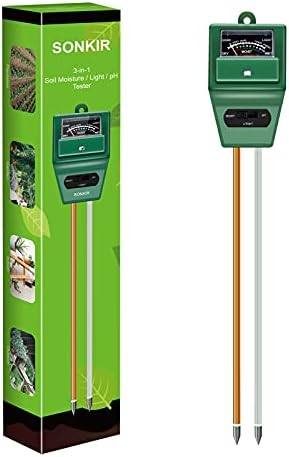
- Kindly NOTE: This soil tester can not be applied to test pH value of any other liquid. If the soil is too dry the indica…
- 3 METERS IN ONE: Soil moisture level, Soil pH value and Sunlight level could be tested easily according to your need by …
- NO BATTERY NEEDED: Simply insert the meter into soil, wait few minutes, accurate test results will be displayed on the r…

- Soil Moisture Meter: This single probe soil moisture meter is specially designed for testing the moisture level in the s…
- Easy to Use:No batteries or electricity needed,just insert the water meter probe into the soil to the plant root level, …
- Accurate and Reliable: Single probe sensor is very sensitive, pointer on the dial moves quickly and display accurate val…

- ACCURATE & RELIABLE: The soil moisture meter can get the results accurately and quickly, You can determine the exact amo…
- Less hurts: Single probe design is less harmful to roots, don’t worry dig up soil after testing.
- How to Use: Simply insert the soil moisture meter into the soil to obtain test results immediately. The large and clear …
The implementation of smart irrigation controllers presents numerous advantages, particularly in the context of reducing water expenses for households and businesses alike. With the growing emphasis on sustainability, these controllers represent a solution that not only conserves water but also aligns with the principles of smart homes and modern outdoor living.
One of the most significant benefits of using smart irrigation sprinklers is enhanced efficiency. These advanced devices are designed to optimize the watering process by utilizing weather data and soil moisture levels to determine the precise watering needs of plants. As a result, they help homeowners avoid overwatering, which can lead to significant water waste and increased utility bills.
Furthermore, irrigation controllers can be programmed to water at specific times, ensuring that gardens and lawns receive precisely what they require. By implementing precise watering schedules, users can adjust their irrigation systems not just based on seasonal changes, but also in response to real-time environmental conditions. This capability minimizes the need for manual intervention and limits the potential for human error, contributing to effective water management.
In addition to immediate savings on water bills, the long-term financial savings associated with smart irrigation controllers can be substantial. Reduced water waste not only lessens the burden on municipal water systems but also translates into lower monthly expenses for residents. With many regions experiencing water restrictions and increasing costs, the ongoing implementation of irrigation technology can provide invaluable relief.
Moreover, the adoption of these technologies often fosters a sense of environmental responsibility among homeowners, encouraging practices that benefit both their wallets and the planet. Investing in smart irrigation systems ultimately yields a dual benefit: a flourishing landscape and a notable reduction in water expenses over time.
Top Features to Look for in an Irrigation Controller
When selecting a smart irrigation controller, it is essential to consider several key features that can enhance both efficiency and convenience in managing your garden or lawn. One of the foremost attributes to look for is programmability. A programmable irrigation controller allows users to schedule watering times and durations according to their plants’ specific needs, thus optimizing water usage and minimizing wastage.
Additionally, incorporating weather sensors into smart irrigation controllers can significantly improve watering efficiency. These sensors monitor local weather conditions, including rain and humidity, and automatically adjust the irrigation schedule accordingly. By reducing unnecessary watering during wet conditions, these devices further contribute to water conservation efforts.
Compatibility with smart home systems plays a crucial role in the functionality of modern irrigation controllers. Many homeowners prefer devices that can easily integrate with existing smart home systems, enabling centralized control through mobile devices or smart assistants. This compatibility enhances the overall user experience by allowing for remote management and real-time monitoring of irrigation settings.
Another vital factor is ease of use. A user-friendly interface, whether it be through an intuitive app or an easy-to-navigate control panel, is essential for consumers who may not be tech-savvy. Features such as simple setup processes and clear instructions can make a significant difference in user satisfaction.
Lastly, maintenance requirements should also be taken into account. Opting for smart irrigation sprinklers that require minimal upkeep can save time and effort for homeowners. Many advanced controllers come with self-diagnostics and notifications for required maintenance, ensuring optimal performance over time. By considering these features, consumers can find the right smart irrigation controller that aligns with their needs for smart outdoor living.
Regional U.S. Watering Advice
Watering needs vary widely across the United States, so the best irrigation settings depend on local climate, rainfall, soil, plant types, and municipal restrictions. A smart controller can adjust schedules, but homeowners should still review the settings regularly and follow local watering rules.
Southwest
Homeowners in states such as Arizona, Nevada, New Mexico, Utah, and parts of California often deal with high heat, drought conditions, and strict watering limits. Weather-based scheduling, cycle-and-soak programs, and seasonal adjustments can help reduce runoff and evaporation. Choose a controller that makes it easy to set permitted watering days and skip irrigation after rainfall.
Southeast
The Southeast can receive frequent rain and high humidity, but hot summer conditions may still create significant watering needs. A controller with reliable rain skips and weather-based adjustments can prevent unnecessary irrigation between storms. Homeowners should also check drainage and runoff, particularly on sloped properties.
Midwest
Midwestern lawns typically need different watering schedules throughout the year. Irrigation may be unnecessary during wet spring periods but more important during hot, dry stretches in summer. Seasonal programming and multiple start times can help deliver water gradually without creating runoff.
Northeast
Many Northeast properties experience moderate rainfall and shorter growing seasons. Smart scheduling can help homeowners avoid watering during cool or rainy periods while providing additional irrigation during summer heat waves. Before installing a controller, check whether the system will be used often enough to justify the purchase.
Pacific Northwest
The Pacific Northwest may receive substantial seasonal rainfall, but dry summer conditions can still affect lawns and gardens. Weather-based scheduling and rain-skip features are especially useful for preventing irrigation during wet periods. Homeowners should consider separate schedules for lawns, gardens, and drought-tolerant plants.
Check local rules and rebates
Watering restrictions and rebate programs vary by city, county, and utility provider. Before choosing a controller, check local rules regarding watering days, permitted hours, rain sensors, and drought stages. Some utilities may also offer rebates for qualifying water-efficient irrigation equipment, but eligibility requirements should be confirmed before purchase.
Our Recommendations for the Best Irrigation Controllers
In the quest for effective water management within smart homes, selecting the right irrigation controller is crucial. The following reviews use the same criteria for each model: ideal user, key strengths, possible limitations, and overall buying advice. Confirm current specifications, pricing, compatibility, and subscription terms before purchasing.
Rachio 3 Smart Sprinkler Controller: Best for Most Homeowners
Best for: Homeowners who want straightforward app control and weather-based scheduling for a typical residential lawn.
Key features: The Rachio 3 is designed around app-based management, automated scheduling, and weather-responsive watering. Users can organize irrigation zones, adjust schedules remotely, and monitor watering through a mobile device. Before buying, confirm the model’s zone capacity and compatibility with your existing wiring, transformer, sensors, and internet connection.
Advantages: Its approachable interface makes it a practical choice for people moving from a basic timer to a connected system. Weather-based adjustments can help prevent watering during rain or unusually wet conditions, while remote access is convenient for homeowners who travel or manage more than one property.
Limitations: A smart controller cannot correct leaking pipes, blocked sprinkler heads, poor coverage, or incorrect water pressure. Some advanced functions may also depend on current software, app, or service policies, so verify what is included with the purchase.
Bottom line: The Rachio 3 is a strong all-around recommendation for homeowners who value ease of use and automated scheduling, provided the existing irrigation system is compatible and in good condition.
RainMachine Touch HD-12: Best for Advanced Users
Best for: Technically confident homeowners who want detailed scheduling and greater control over weather-based watering decisions.
Key features: The RainMachine Touch HD-12 is positioned as a more customizable option, with a dedicated display, network connectivity, and detailed irrigation controls. It may appeal to users who prefer to fine-tune schedules rather than rely entirely on automated recommendations.
Advantages: Detailed controls can be useful for properties with different plant types, soil conditions, sun exposure, or watering requirements across multiple zones. Advanced users may also appreciate the ability to review and adjust settings directly instead of managing everything through a simplified interface.
Limitations: More control can mean a longer setup process and a steeper learning curve. Buyers should verify current software support, weather-data sources, zone capacity, sensor compatibility, and replacement or warranty information before committing.
Bottom line: Choose RainMachine when customization is more important than the simplest possible setup. It is less suitable for buyers who want a basic plug-in-and-go experience.
Orbit B-hyve Smart Sprinkler Controller: Best Budget Option
Best for: First-time smart irrigation buyers and homeowners who want connected scheduling at a lower initial cost.
Key features: Orbit B-hyve controllers typically focus on app-based programming, remote monitoring, and weather-aware scheduling. The exact features vary by model, so check zone capacity, indoor or outdoor installation requirements, sensor support, and any required hub or subscription before purchasing.
Advantages: Its approachable price can make it easier to upgrade from a traditional timer without immediately choosing a premium system. App control and automated scheduling can also reduce the need to adjust watering manually as seasons and weather conditions change.
Limitations: A lower price may come with fewer advanced controls, less detailed customization, or model-specific hardware requirements. Confirm that the exact B-hyve model works with your sprinkler wiring and has the smart-home features you actually need.
Bottom line: Orbit B-hyve is a sensible starting point for budget-conscious homeowners, especially those with a standard residential system and modest automation needs.
Hunter Hydrawise Controller: Best for Large or Professional Systems
Best for: Larger residential properties, complex landscapes, property managers, and professional irrigation installations.
Key features: Hunter Hydrawise controllers are designed for multi-zone management and more advanced irrigation planning. They can be appropriate when different landscape areas require separate schedules or when an installer needs stronger system oversight.
Advantages: The professional-oriented design can provide useful flexibility for large properties and complex irrigation layouts. Weather-informed scheduling and zone-level control may help managers coordinate watering across lawns, planting beds, and other landscape areas.
Limitations: The additional functionality may be unnecessary for a small yard and can make setup and daily management more complicated. Installation may be better handled by an irrigation professional, particularly when pumps, unusual wiring, multiple sensors, or commercial equipment are involved.
Bottom line: Hunter Hydrawise is the better fit when robust multi-zone control and professional management matter more than the simplest consumer setup.
These irrigation controllers represent different approaches to smart water management. The right choice depends on your property, irrigation zones, technical comfort, budget, and local watering requirements—not simply on the number of features listed on the box.
Frequently Asked Questions
Do smart irrigation controllers really reduce water bills?
They can reduce water waste by adjusting watering schedules for rainfall, temperature, and seasonal conditions. Actual savings depend on your local climate, water rates, sprinkler coverage, soil, and the condition of your irrigation system. Fixing leaks and poorly adjusted sprinkler heads is also important.
Are smart irrigation controllers worth it for a small yard?
They can be worthwhile if you frequently forget to adjust a traditional timer, live in an area with watering restrictions, or want remote control. For a very small yard with minimal irrigation needs, a basic timer may be more cost-effective.
Will a smart controller work with my existing sprinkler system?
Many smart controllers are designed to replace standard wired controllers, but compatibility varies. Check the number of zones, wiring, transformer, valves, sensors, pump equipment, and installation location before buying.
Do I need a separate rain sensor?
Not always. Some controllers use online weather data, while others support a physical rain sensor. A local sensor may provide more accurate conditions for your property, especially if your yard receives different rainfall from the nearby weather station.
Can I install a smart irrigation controller myself?
Some homeowners can replace a compatible controller by labeling the existing wires and following the manufacturer’s instructions. Professional installation is safer when the system includes pumps, unusual wiring, many zones, commercial equipment, or electrical complications.
Do smart irrigation controllers require a monthly subscription?
Subscription policies vary by manufacturer and model. Some core scheduling features may be included, while advanced weather data, reporting, or management tools may require a paid service. Confirm the current terms before purchasing.
What is the best controller for drought-prone areas?
Choose a model with reliable weather-based scheduling, rain skips, seasonal adjustments, cycle-and-soak programs, and support for local watering restrictions. The best choice also depends on zone count and compatibility with the existing system.
Can a smart controller fix overwatering caused by bad sprinkler heads?
No. A controller manages the schedule, but it cannot repair leaks, blocked heads, uneven coverage, broken valves, or excessive water pressure. Inspect and repair the physical irrigation system before evaluating the controller’s water-saving performance.