This article may contain affiliate links. If you purchase a product through one of these links, we may receive a commission at no additional cost to you. Our recommendations are based on the features, usability, compatibility, and potential water-saving benefits of the products discussed. Product specifications, prices, availability, and retailer terms may change, so confirm the latest information before purchasing.
Understanding the Importance of Smart Irrigation in Drought Conditions

- DITCH THE DIAL – Upgrade to smart irrigation with the free Rachio app for precise, easy control.
- AUTOMATIC WEATHER SKIPS – Patented Weather Intelligence skips watering for rain, wind, freeze & more.
- SAVE WATER YEAR-ROUND – Adaptive schedules help your yard thrive in April showers & July heat.
Drought-prone communities across the United States need irrigation systems that use water carefully without sacrificing healthy lawns, gardens, or landscapes. The best smart irrigation controllers for drought-prone regions in the USA use local weather data, seasonal adjustments, rain skips, and zone-based scheduling to reduce unnecessary watering.
Unlike traditional timers that follow the same schedule regardless of weather, smart controllers can delay or reduce irrigation when rain is expected, temperatures change, or the soil has sufficient moisture. However, a controller is only one part of an efficient irrigation system. Leaking pipes, blocked sprinkler heads, poor coverage, and incorrect water pressure can continue to waste water even after an upgrade.
In this guide, we compare the RainMachine Touch HD-12, Rachio 3, Orbit B-hyve, and NETRO smart irrigation controllers. We evaluate their water-saving features, scheduling flexibility, sensor compatibility, zone management, smart-home integration, installation requirements, and suitability for different U.S. climates.

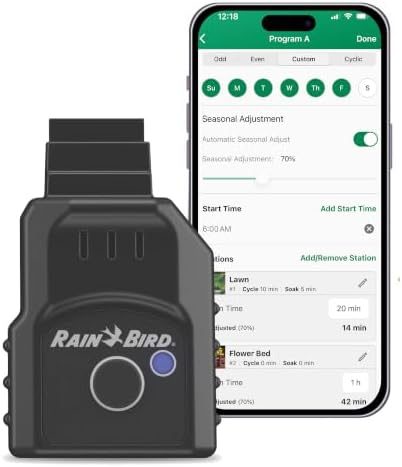


Before choosing a model, it also helps to understand how smart irrigation controllers work and how weather-based scheduling can affect water use. Actual savings vary according to local climate, landscape design, sprinkler condition, water rates, and municipal watering restrictions.
Quick answer: Rachio 3 is a strong choice for many homeowners who want simple weather-based scheduling. RainMachine Touch HD-12 suits advanced users who want more control, Orbit B-hyve is a budget-friendly option, and NETRO may appeal to homeowners focused on automated water management. Always confirm current specifications and system compatibility before buying.
One significant benefit of smart irrigation is its ability to minimize water usage effectively. These systems can be integrated with technologies like Google Home and Alexa, allowing users to manage their irrigation remotely and adjust settings in real-time. This capability not only fosters a more responsive watering schedule but also promotes smart outdoor living, where irrigation adapts to weather changes, such as rainfall or temperature fluctuations.
Furthermore, by utilizing smart irrigation sprinklers and systems, farmers and gardeners can maintain their landscapes more sustainably. These technologies support precision agriculture, enabling users to target specific areas requiring water and significantly reducing the amount being applied overall. As a result, smart irrigation not only alleviates the pressure on water supplies but also enhances the resilience of landscapes against drought conditions.
In conclusion, the role of smart irrigation systems in areas susceptible to drought cannot be overstated. By conserving water resources while enabling efficient landscape management, these innovative systems represent a crucial step toward sustainable agricultural practices and resilient environmental stewardship.
Key Features to Look for in a Smart Irrigation Controller


In the context of drought-prone regions, choosing a smart irrigation system is crucial for maintaining efficient water use while ensuring plant health. An effective smart irrigation controller should include several key features that make it adaptable to various environmental conditions.
Firstly, sensor compatibility is a vital aspect to consider. Controllers that can integrate with moisture sensors or rain sensors enable a more responsive watering schedule. These sensors can monitor soil moisture levels and weather conditions, allowing the system to adjust irrigation timings and amounts accordingly. Such adaptability reduces water waste significantly, which is especially important in areas where water conservation is paramount.
Secondly, weather adjustments can enhance the performance of smart irrigation systems. Look for controllers that utilize real-time weather data to modify watering schedules based on current and forecasted conditions. This feature ensures that plants receive the right amount of water, accounting for rain or drought conditions, which is essential for effective outdoor living in climate-sensitive areas.
In addition, scheduling capabilities should be user-friendly and flexible. A strong smart irrigation controller will offer customizable schedules, allowing homeowners to set up different watering cycles for various zones based on specific plant needs or regional climate factors. This level of control ensures optimum water usage, contributing to sustainable garden management.
Integration with smart home systems such as Google Home and Alexa is another significant advantage. The ability to control your irrigation system through voice commands or mobile apps enhances the convenience of managing your landscape. A mobile application that provides alerts and schedules further increases the usability of the smart irrigation sprinkler.
Lastly, reliability and ease of use are essential characteristics. A smart irrigation controller should be simple to install and operate, ensuring that users can maintain their systems with minimal technical knowledge. These features collectively contribute to a successful smart home environment while promoting responsible outdoor water usage, particularly in drought-affected regions.
Top Smart Irrigation Controllers on the Market
As water conservation becomes increasingly crucial in managing landscapes, especially in drought-prone regions of the USA, the adoption of smart irrigation systems has surged. These advanced controllers not only optimize watering schedules based on real-time weather data but also integrate seamlessly with various smart home devices like Google Home and Alexa, enhancing the outdoor living experience.
One highly recommended product is the RainMachine Touch HD-12. This device stands out for its user-friendly interface and robust scheduling capabilities. It allows homeowners to program their irrigation based on local weather forecasts, adjusting automatically to prevent overwatering. Feedback from customers highlights its efficiency in conserving water while maintaining healthy landscapes, making it an excellent choice for those seeking sustainability without sacrificing aesthetics.

- Save Time and Effort: This Raindrip drip irrigation kit includes everything you need to create a drip watering system fo…
- Install in 3 Easy Steps: 1) Connect the timer and tubing to your water source 2) Lay out the tubing 3) Use fittings to a…
- Ideal for Any Level Gardener: Easy to customize, install, and operate, this automatic drip irrigation kit includes all t…
Another notable option is the Rachio 3 Smart Sprinkler Controller, compatible with multiple smart home ecosystems. It offers impressive smart features, including seasonal adjustments and remote access via a mobile app. Users appreciate the integration with platforms like Alexa, which allows convenient voice-activated control of the irrigation system. The pricing is competitive, especially considering the potential water savings that can be realized over time.
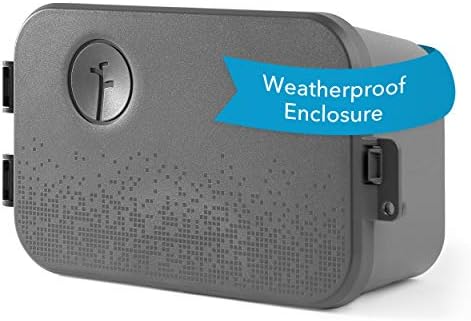
- Waterproof Sprinkler Controller Box – Protect your sprinkler controller from wind and rain and other weather elements wi…
- Weatherproofed For Outdoor Use – Rachio’s enclosure is fully weatherproofed for outdoor use and the box is equipped with…
- Compatibility- Custom-designed enclosure fits either the Rachio 3 or Generation 2 Smart Sprinkler Controller. Box includ…
The Orbit B-hyve Smart Sprinkler Controller is also worth mentioning. It combines affordability with essential smart features. The B-hyve works with both Wi-Fi and Bluetooth, enabling easy setup and control. It also provides weather-based watering recommendations to help users avoid excess water usage. Customer reviews commend its value for money, particularly for homeowners on a budget who are still looking to implement smart outdoor living solutions.

- Lush Lawn Coverage: The Orbit H2O-Six Gear Drive Sprinkler delivers efficient watering for lawns and gardens with six sp…
- Effortless Spray Adjustments: Customize watering angles and spray distance with rotating head controls and adjustable co…
- Precise Water Distribution: Built with a four-position spray control system that helps fine-tune watering flow for consi…
Lastly, the NETRO Smart Sprinkler Controller is an excellent choice for those prioritizing sustainability and efficiency. With features such as cloud-based control and intuitive scheduling, it ensures that gardens receive the appropriate amount of water, thus minimizing waste. Feedback indicates that users appreciate the cost savings on their water bills, reinforcing the importance of investing in smart irrigation systems.

- Suitable for Home Use: The sprinkler controller supports up to 12 irrigation zones. It enables tailored watering for are…
- Weather And Calendar Log: The sprinkler timer app-Netro partners with a professional weather data provider to deliver d…
- Irrigation Schedule and Plant Library: The smart irrigation controller app supports cyclic schedule setting (select star…
Best Practices for Implementing Smart Irrigation Systems
Implementing smart irrigation systems effectively requires thoughtful consideration and adherence to best practices that enhance their efficacy. The proper installation of these systems is paramount. Begin by assessing your landscape’s specific watering needs, taking into account factors such as plant types, soil condition, and previous watering methods. Collaborating with professionals who specialize in smart outdoor living can ensure that the system is installed correctly and set up to maximize its potential.
Once installation is complete, regular maintenance is essential to ensure that your smart irrigation systems function as intended. This includes routinely checking for leaks, clogs, and any unintended adjustments made by environmental factors. Scheduling seasonal maintenance can help adapt the watering schedule to changing weather conditions and plant requirements, minimizing water waste. In drought-prone regions, such considerations are even more critical.
Additionally, users should take advantage of the advanced features offered by smart irrigation sprinkler systems. Many such systems integrate with home automation platforms like Google Home and Alexa, allowing for convenient control and monitoring. Utilizing these technologies not only enhances user experience but also supports proactive water management. Seasonal adjustments can be automated based on weather data, ensuring that your irrigation systems respond dynamically to changing conditions.
It’s important to recognize common challenges when utilizing these systems. For example, users might face connectivity issues or difficulties in programming schedules. However, consulting manufacturer resources, leveraging online forums, and staying engaged with community discussions can provide valuable solutions. As we move toward a more sustainable approach to water management, implementing these best practices for smart irrigation systems will pave the way for efficient and responsible water conservation in communities across the USA.
Frequently Asked Questions
Do smart irrigation controllers work during a drought?
Yes. They can adjust watering based on weather data, rain forecasts, seasonal conditions, and zone requirements. They do not replace local watering restrictions or repairs to inefficient irrigation equipment.
How much water can a smart irrigation controller save?
Savings vary by climate, landscape design, existing watering habits, sprinkler condition, and local rules. Treat advertised savings as estimates and compare your water use before and after installation under similar conditions.
Are soil-moisture sensors necessary?
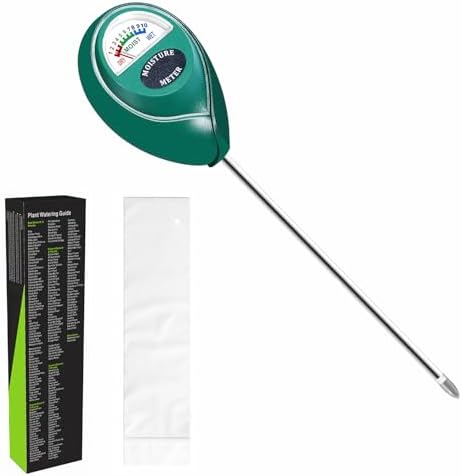
Not always. Weather-based scheduling can be effective, but soil-moisture sensors may provide additional information in areas with unusual soil, shade, slopes, or uneven drainage.


Can I install a smart irrigation controller myself?
Many homeowners can replace a compatible controller by labeling the existing wires and following the manufacturer’s instructions. Professional installation may be preferable when wiring is unclear, valves are damaged, or the system includes pumps or complex zones.
Should all irrigation zones use the same schedule?
No. Lawns, trees, vegetable gardens, native plants, and drip-irrigated areas often have different water requirements. Separate schedules help prevent overwatering and improve efficiency.
What should I check before buying a controller?
Check the zone capacity, valve wiring, Wi-Fi coverage, sensor compatibility, smart-home integrations, installation requirements, and compliance with local watering restrictions. Also confirm current product specifications before purchasing.
Conclusion
Smart irrigation controllers can help homeowners in drought-prone regions of the USA use water more efficiently while maintaining healthy lawns, gardens, and landscapes. By using weather data, seasonal adjustments, rain delays, zone-based scheduling, and compatible sensors, these systems can respond more effectively to changing environmental conditions than traditional timers.
RainMachine Touch HD-12, Rachio 3, Orbit B-hyve, and NETRO each offer useful features for different needs and budgets. However, the best results depend on choosing a compatible controller, maintaining the irrigation system, creating separate schedules for different zones, and following local watering restrictions. A smart controller is most effective when combined with efficient equipment, responsible landscaping, and regular monitoring.
Pingback: The Best Irrigation Controllers For Uneven Watering In USA