
Uneven watering can leave some parts of a lawn or garden dry while other areas become oversaturated. The best smart irrigation controllers can help address this problem by creating separate watering schedules for different zones, adjusting run times based on weather conditions, and supporting soil-moisture sensors. However, a controller cannot correct every irrigation problem, so homeowners should also check for clogged sprinkler heads, leaks, poor sprinkler placement, low water pressure, and runoff. This guide compares leading smart irrigation controllers available in the USA and explains which features are most useful for lawns and gardens with inconsistent water distribution.

- DITCH THE DIAL – Upgrade to smart irrigation with the free Rachio app for precise, easy control.
- AUTOMATIC WEATHER SKIPS – Patented Weather Intelligence skips watering for rain, wind, freeze & more.
- SAVE WATER YEAR-ROUND – Adaptive schedules help your yard thrive in April showers & July heat.
Understanding Uneven Watering
Uneven watering occurs when some areas of a lawn or garden receive too much water while others remain dry. This can weaken plants, encourage root problems, cause runoff, and lead to patchy growth. The most common causes include:
- Soil type: Sandy soil drains quickly and may dry out faster, while clay soil holds water and can become oversaturated.
- Slopes and uneven terrain: Water may run downhill instead of soaking evenly into the soil, leaving higher areas dry and lower areas too wet.
- Incorrect sprinkler placement: Poor spacing or insufficient head-to-head coverage can create dry patches between sprinkler heads.
- Clogged or damaged sprinkler heads: Dirt, mineral deposits, broken nozzles, or blocked heads can reduce water flow in individual areas.
- Low or inconsistent water pressure: Insufficient pressure may prevent sprinkler heads from covering their intended areas.
- Leaks and damaged components: Leaking pipes, valves, or connections can reduce the amount of water reaching certain zones.
- Incorrect zone settings: Grass, shrubs, flower beds, and shaded areas often need different watering schedules and amounts.
- Weather and sunlight differences: Areas exposed to strong sunlight may dry faster than shaded sections of the garden.
A smart irrigation controller can help manage schedules, watering durations, and separate zones, but it cannot repair physical irrigation problems. Before replacing or reprogramming a controller, inspect the sprinkler layout, water pressure, sprinkler heads, pipes, and valves. Combining proper system maintenance with smart scheduling provides the best way to improve watering consistency.

- Intelligent Irrigation Control: The Orbit Smart Sprinkler Controller manages watering with a powerful smart sprinkler th…
- Indoor/Outdoor Installation: Designed for versatile placement with a protective weatherproof case, this multi-zone sprin…
- Smart Scheduling & Management: Easily create custom irrigation schedules using an app controlled interface that allows u…
Key Features to Look for in Irrigation Controllers
When selecting an effective irrigation controller, several key features are vital for addressing the challenges of uneven watering. These features enhance the overall performance of smart irrigation controllers, ensuring consistent and efficient water distribution across diverse garden landscapes.
One of the foremost attributes to consider is the programmable settings offered by the controller. This functionality allows users to set specific watering schedules tailored to their garden’s unique requirements. By programming the controller to operate at optimal times, homeowners can significantly reduce water waste and improve the health of their plants, fostering a more sustainable landscape.
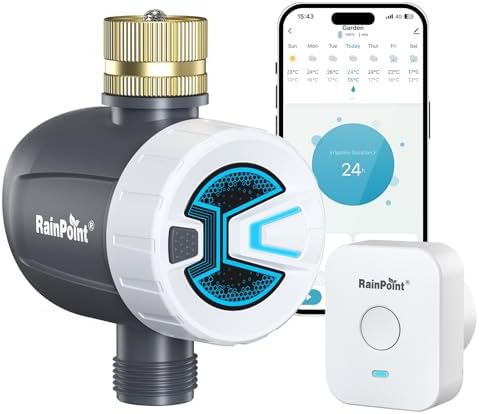
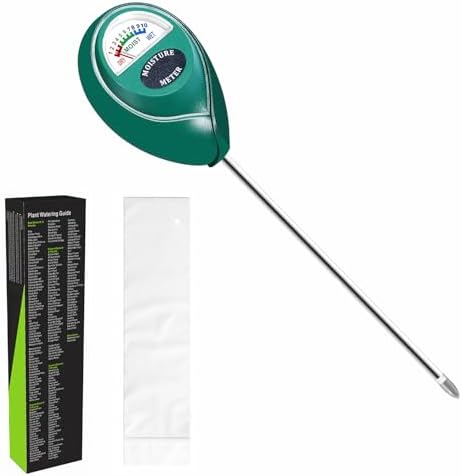
Sensor integration is another critical feature that enhances the effectiveness of smart irrigation controllers. Through the inclusion of moisture sensors, these devices can determine the actual water needs of the soil, adjusting irrigation levels accordingly.
Weather responsiveness is also essential for maintaining an efficient watering regime. Advanced controllers can adjust watering schedules based on changing weather patterns, helping conserve water and prevent over-saturation.
Zone control capabilities are critical for managing varying plant types and landscape needs. A smart irrigation system should enable users to customize watering schedules for flowers, shrubs, and grass.


USA-Specific Considerations When Choosing an Irrigation Controller
Homeowners in the USA should consider local climate, soil conditions, terrain, and water-use regulations when selecting an irrigation controller.
- Regional climate: Hot and dry areas may benefit from weather-based adjustments and soil-moisture monitoring.
- Local watering restrictions: Check whether the controller can follow local watering days and times.
- Sloped properties: Cycle-and-soak programming can reduce runoff.
- Seasonal changes: Look for seasonal schedule adjustments and winterization support.
- Soil conditions: Match watering cycles to sandy, clay, or other soil types.
- System compatibility: Confirm compatibility with existing valves, wiring, sprinkler heads, and water pressure.
- Water conservation: Consider rain delays, flow monitoring, and automatic scheduling.
The best controller depends on climate, local regulations, soil type, landscape design, and irrigation layout.
Comparison Table: Smart Irrigation Controllers
| Controller | Best for | Weather adjustments | Sensor support | Key consideration |
|---|---|---|---|---|
| Rachio 3 Smart Sprinkler Controller | Automated scheduling and smart-home features | Verify current model features | Verify whether sensors are included or optional | Check current compatibility, pricing, and subscription requirements |
| RainMachine Touch HD | Detailed scheduling and irrigation data | Verify current weather-data features | Confirm current sensor compatibility | Confirm availability and current manufacturer support |
| Orbit B-hyve Smart Sprinkler | App-based control and customization | Verify current weather-response features | Confirm available sensor options | Check current specifications, compatibility, and pricing |
The best irrigation controller depends on the number of zones, terrain, soil type, plant requirements, sensor needs, smart-home preferences, and local watering rules. Product features, compatibility, pricing, and availability can change, so verify current information from each manufacturer before publishing a final recommendation.


Comparison of Top Brands and Models
When considering smart irrigation controllers, evaluate leading brands and models for uneven watering situations. These controllers use technology to optimize water usage and help different parts of a lawn or garden receive appropriate moisture.
One notable option is the Rachio 3 Smart Sprinkler Controller, described as offering weather intelligence and smart-home integration. Verify current features and compatibility before publishing.
Another product to consider is the RainMachine Touch HD. Compare its current scheduling, connectivity, sensor, and reporting capabilities with the user’s needs.
The Orbit B-hyve Smart Sprinkler may appeal to homeowners seeking customization and app-based control. Confirm current specifications, compatibility, pricing, and availability before making product claims.
The best choice depends on the property’s number of zones, terrain, soil, plant types, sensor requirements, and local conditions.


Installation and Troubleshooting
Before installing a smart irrigation controller, turn off the irrigation system’s power and water supply. Photograph or label the existing wiring, confirm that the controller supports the number of zones in your system, and follow the manufacturer’s wiring and setup instructions. Place the controller in a protected location with reliable Wi-Fi access if remote control is required.
After installation, test each zone separately. Check that every valve opens correctly, sprinkler heads provide adequate coverage, and water pressure remains consistent. Set conservative watering schedules initially, then adjust run times based on soil moisture, plant health, weather, and local watering restrictions.
Common Problems and Solutions
- A zone does not activate: Check the zone wiring, valve connections, controller schedule, and power supply.
- Some areas remain dry: Inspect sprinkler-head spacing, clogged nozzles, water pressure, and zone coverage.
- Water runs off or pools: Use shorter cycles with soak periods and check for compacted soil or poor drainage.
- The controller skips watering: Review rain-delay settings, weather data, seasonal adjustments, and active local schedules.
- The app cannot connect: Check Wi-Fi coverage, account settings, controller power, and the manufacturer’s current service status.
- Water use is unexpectedly high: Look for leaks, broken sprinkler heads, stuck valves, incorrect run times, and overlapping schedules.
If a problem continues after these checks, turn off the affected zone and inspect the irrigation components before running another watering cycle. Electrical work, valve replacement, and buried-pipe repairs may require a qualified professional.
Tips for Optimizing Your Irrigation System
To ensure your smart irrigation controllers perform at their best, select an accessible, sheltered location and follow the manufacturer’s installation instructions. Adjust zones according to plant types, soil, sunlight, and local climate.
Regularly check for leaks, clogs, broken sprinkler heads, and damaged components. Soil-moisture sensors can provide additional information and help prevent unnecessary watering.
Connecting the controller to a compatible smart-home platform may simplify scheduling and adjustments, but verify current compatibility before publishing this information.
Conclusion
Choosing the best irrigation controller for uneven watering requires more than comparing smart features. Consider the property’s climate, soil, terrain, number of zones, sprinkler condition, local watering restrictions, and compatibility requirements.
Weather-based scheduling, soil-moisture support, cycle-and-soak programming, flow monitoring, and independent zone control can improve watering consistency and reduce waste. However, a smart controller cannot fix clogged heads, leaks, poor sprinkler placement, low pressure, or damaged valves. Inspect and maintain the irrigation system, install the controller correctly, and verify current product features before making a final purchase decision.
Frequently Asked Questions
What is the best irrigation controller for uneven watering?
The best controller depends on the property’s number of zones, terrain, soil type, sprinkler layout, and local climate. Prioritize independent zone control, weather-based adjustments, cycle-and-soak programming, and support for soil-moisture sensors.
Can a smart irrigation controller fix uneven watering?
A controller can improve scheduling and zone management, but it cannot repair clogged sprinkler heads, leaks, damaged valves, poor sprinkler placement, low water pressure, or compacted soil. Inspect the physical irrigation system before changing the controller.
Are soil-moisture sensors necessary?
They are not essential for every system, but they can help prevent overwatering and are useful for gardens with different soil types, shaded areas, slopes, or plants with varying moisture requirements.
How can I reduce runoff on a sloped lawn?
Use cycle-and-soak programming, which divides watering into shorter cycles with pauses between them. Also check for compacted soil, poor drainage, blocked sprinkler heads, and excessive water pressure.
Should US homeowners check local watering restrictions?
Yes. Watering days and permitted times vary by municipality and may change during droughts or seasonal restrictions. Choose a controller that can follow the applicable local schedule.
How often should an irrigation system be inspected?
Inspect it regularly for leaks, clogged or broken sprinkler heads, damaged wiring, stuck valves, and unusual water use. Testing each zone separately can help identify coverage or pressure problems early.
Does a smart irrigation controller require Wi-Fi?
Wi-Fi is commonly needed for remote access, weather updates, and smart-home integration, but some basic scheduling functions may continue to work without an internet connection. Confirm the specific model’s requirements before purchasing.
When should an irrigation system be winterized?
In areas with freezing temperatures, the system may need to be shut down and drained before winter. Follow local climate requirements and the irrigation equipment manufacturer’s instructions.
Amazon Affiliate Disclosure
This article contains affiliate links. If you purchase a product through one of these links, we may earn a commission at no additional cost to you. Our recommendations are based on the features, compatibility, and intended use of each product. Product prices, availability, specifications, and affiliate terms may change, so verify the latest information on Amazon before purchasing.