This post contains affiliate links. As an Amazon Associate, I earn from qualifying purchases. If you click a link and make a purchase, we may receive a small commission at no extra cost to you. This helps support the site and allows us to continue providing high-quality gardening advice.
Imagine waking up to a thriving vegetable garden where every tomato is perfectly plump and every leaf is vibrant green, all without you ever lifting a garden hose. For many gardeners, watering is a guessing game that leads to yellowing leaves or skyrocketing water bills. But what if your garden could talk to the clouds? Smart irrigation systems are changing the game, using real-time weather data and soil sensors to give your crops exactly what they need, exactly when they need it.


Understanding Smart Irrigation Systems
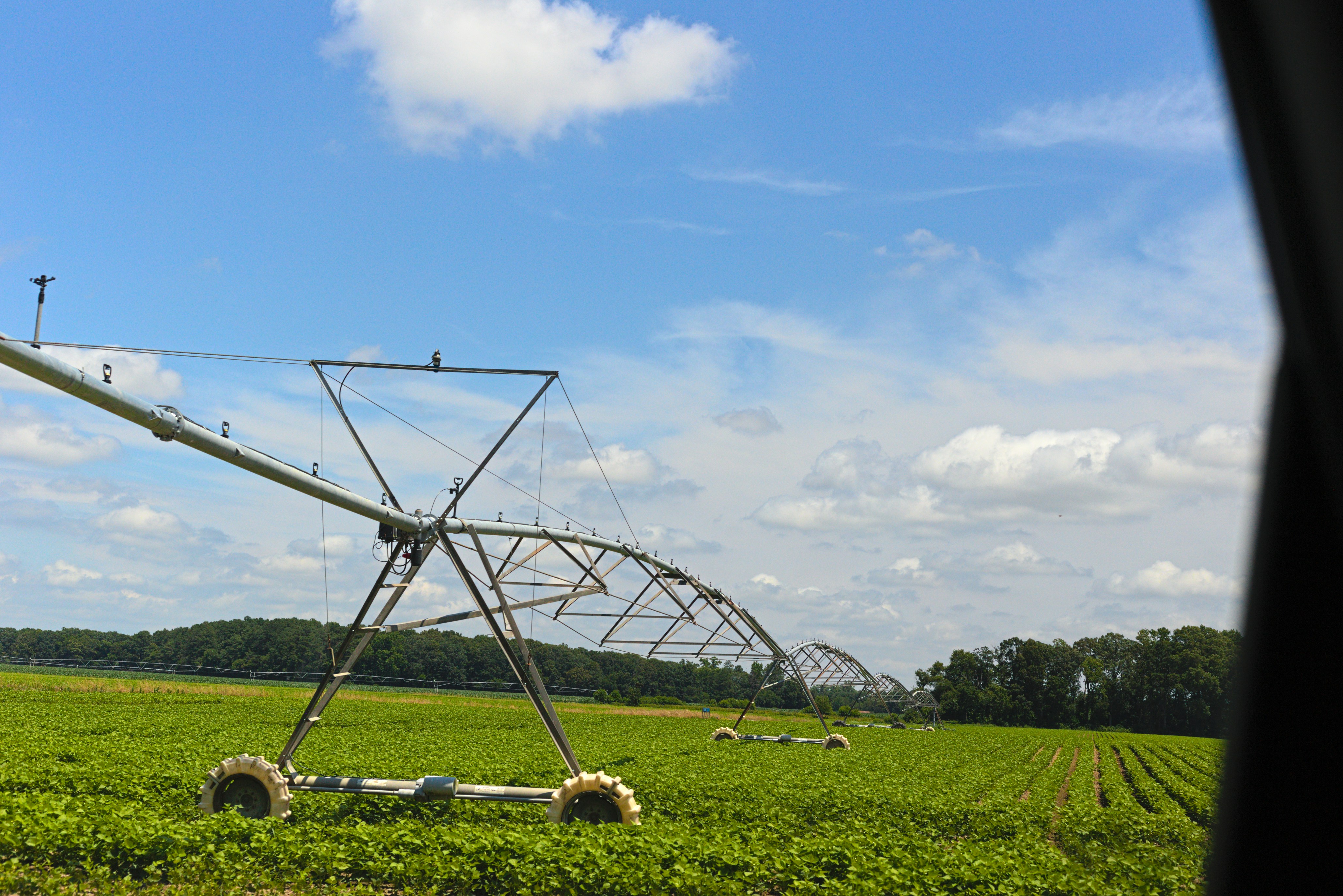
Smart irrigation systems represent a significant evolution in how we manage and optimize the watering of our vegetable gardens. By integrating advanced technology such as sensors, timers, and weather data, these systems ensure that plants receive the precise amount of water they need at any given time, thus avoiding waste and promoting healthier growth. Intelligence in these systems is often verified by authorities like the EPA WaterSense program.
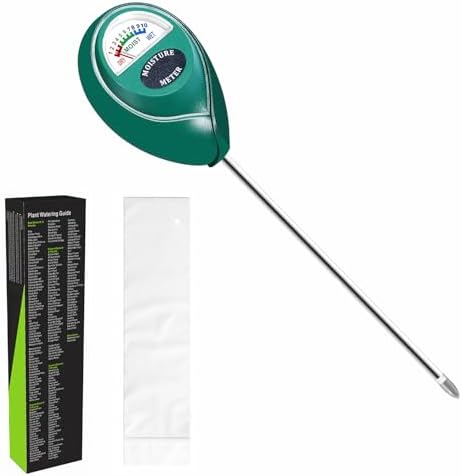
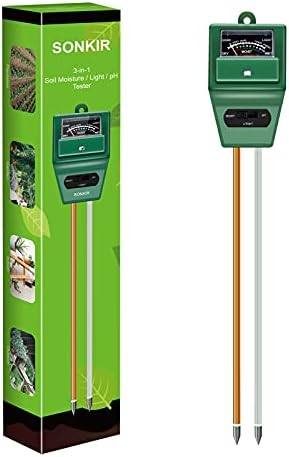
At the heart of a smart irrigation system are soil moisture sensors, which monitor the level of moisture in the ground. These sensors transmit real-time data to the main control system, allowing it to adjust watering schedules based on the needs of the vegetable garden. For the most accurate results, you can explore our guide on the best soil moisture sensors for smarter gardening. Additionally, many systems incorporate weather data to anticipate rainfall or adjust for temperature changes. This delicate balance ensures that plants are neither overwatered nor underwatered, leading to optimal growth conditions.
One of the primary benefits of utilizing a smart irrigation system in your outdoor living space is water conservation. Traditional irrigation methods often lead to excessive water usage, especially during periods of rainfall, whereas a smart system can significantly reduce water waste. This reduction not only helps the environment but also lowers water bills, making it a cost-effective solution for home gardeners. For those looking for voice-integrated solutions, you might want to explore the best smart irrigation controller compatible with Alexa.
Furthermore, efficient watering practices directly contribute to increased crop yields. By ensuring that vegetable gardens receive consistent and appropriate levels of hydration, plants can grow stronger and more productive. Some advanced smart home systems even allow users to integrate their irrigation setups with virtual assistants like Alexa or Google Home, enabling app-controlled automation features that enhance the garden management experience. With the convenience of voice commands or smartphone applications, gardeners can easily monitor and control their irrigation systems from anywhere.
In conclusion, understanding smart irrigation systems reveals their critical role in modern vegetable gardening. Employing these intelligent solutions not only fosters water conservation and efficiency but also enhances the overall yield of crops, ultimately making gardening more sustainable and effective.

Why Drip Irrigation is Best for Vegetable Gardens
While smart controllers manage the timing, the method of delivery is equally important. Drip irrigation is widely considered the superior choice for vegetable gardens compared to traditional overhead sprinklers. According to agricultural experts at the University of Arizona Extension, delivering water directly to the base of the plants minimizes evaporation and ensures that moisture reaches the root zone where it is needed most.
Furthermore, keeping water off the foliage helps prevent common fungal diseases and pests that thrive in damp conditions. When paired with a smart irrigation controller, a drip system provides the ultimate precision, allowing you to maintain perfect moisture levels for thirsty crops like tomatoes and cucumbers without wasting a single drop.
Key Features to Look for in a Smart Irrigation System
When considering a smart irrigation system for your vegetable garden, several key features should be taken into account to ensure optimal results. One of the primary aspects is compatibility with your existing garden setup. It is essential to choose a system that integrates seamlessly with other smart home devices, such as Alexa or Google Home, allowing you to manage your outdoor living environment more effectively.
Another crucial feature involves the type of sensors used in smart irrigation systems. Systems equipped with soil moisture sensors can provide accurate data on soil conditions, thereby preventing over or under-watering your vegetable garden. Additionally, rain sensors play a vital role; they can automatically suspend irrigation during rainfall, mitigating water waste and ensuring the health of your plants.
Mobile app integration is another significant consideration. An app-controlled smart irrigation system offers convenience, allowing you to monitor and manage your garden from anywhere. Look for systems that offer real-time monitoring capabilities, enabling you to track moisture levels and adjust settings remotely. Programmability is similarly important, as the ability to set schedules tailored to the needs of your vegetable garden can enhance efficiency.
Comparing different smart irrigation systems will reveal various advantages. For instance, some may provide advanced analytics and data-driven insights, helping you understand your garden’s unique irrigation needs better. Others might boast user-friendly interfaces that simplify the watering process.
Ultimately, selecting a smart irrigation system with these features will not only conserve water but also ensure your vegetable garden remains healthy and vibrant. As technology continues to evolve, taking advantage of these innovative solutions can transform your gardening experience. Tuning into technical resources like NOAA for weather data is a hallmark of these advanced systems.
Top Smart Irrigation Systems for Vegetable Gardens
1. Rachio 3 Smart Sprinkler Controller
The Rachio 3 is widely considered the best overall choice for vegetable gardeners who want a “set it and forget it” experience. Its Weather Intelligence Plus feature tracks local forecasts to skip watering during rain, wind, or freezes.
- Best For: High-precision watering and ease of use.
- Pros: Excellent Alexa/Google Home integration, EPA WaterSense certified, supports soil moisture sensors.
- Cons: Premium price; outdoor installation requires a separate enclosure.

- DITCH THE DIAL – Upgrade to smart irrigation with the free Rachio app for precise, easy control.
- AUTOMATIC WEATHER SKIPS – Patented Weather Intelligence skips watering for rain, wind, freeze & more.
- SAVE WATER YEAR-ROUND – Adaptive schedules help your yard thrive in April showers & July heat.
2. Orbit B-hyve Smart WiFi Sprinkler Timer
The Orbit B-hyve is a robust, budget-friendly option. It features a built-in “catch-cup” auditing tool that helps you measure exactly how much water your vegetable beds are receiving, vital for deep-rooting plants. If you’re comparing costs, check out our review of the best smart irrigation systems under $100 for gardening.
- Best For: Gardeners on a budget who still want full smart home integration.
- Pros: Very affordable, weather-resistant case included, manual controls on the unit.
- Cons: App interface can be slightly clunky; Wi-Fi range is shorter than the Rachio.

- Smart Irrigation Control Anywhere: The Orbit B-hyve Indoor Smart Sprinkler Controller provides smart sprinkler timer fun…
- Automated Watering For Healthier Landscapes: This automatic watering system supports multiple irrigation methods and cus…
- Multi Zone Water Management: This multi-zone sprinkler allows independent scheduling for different areas while providing…
3. RainMachine Touch HD-12
For the tech-savvy gardener, the RainMachine offers unparalleled data transparency. It pulls from NOAA, METNO, and OpenWeatherMap simultaneously to create the most accurate watering schedule possible.
- Best For: Users who prioritize data accuracy and local control.
- Pros: Beautiful touch-screen display, works even if the cloud goes down, integrates with most smart hubs.
- Cons: Advanced settings can be overwhelming for beginners; higher upfront cost.
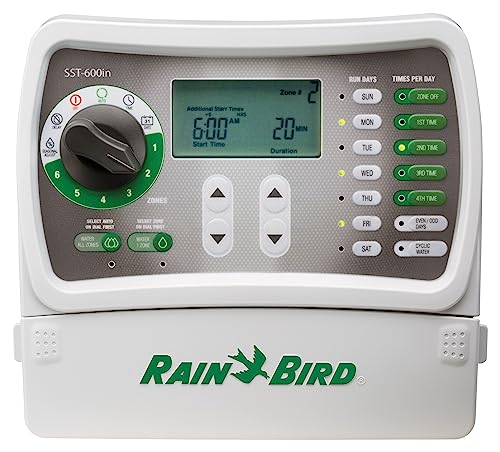
- This timer is so easy to program you won’t need the instructions
- Simple zone-by-zone settings allow customized watering schedules for each area of your yard
- Designed for indoor installation within a garage, home, or waterproof shed
Installation and Maintenance Tips for Smart Irrigation Systems
Installing a smart irrigation system for your vegetable garden can significantly enhance water efficiency and plant health. To ensure optimal performance, careful planning and execution are crucial. For a detailed walkthrough, see our guide on how to install a smart irrigation system step-by-step. Begin by selecting a suitable location for the smart irrigation controller, ideally within proximity to your vegetable garden, to ensure strong connectivity with sensors and other smart home devices, such as Alexa and Google Home.
When installing sensors, place them where they can accurately monitor soil moisture levels. This includes areas with varying sunlight exposure and near different types of plants, as moisture needs can differ among vegetable varieties. Ensure that your smart irrigation system is integrated with your home Wi-Fi network for seamless control through your preferred app. Most systems offer user-friendly interfaces, making it easy to schedule watering times and adjust settings remotely.
Regular maintenance is essential to keep your smart irrigation system functioning efficiently. Check the sensors and connections periodically to ensure there are no obstructions or damages. If you experience connectivity issues, reboot your smart home hub or reconnect the system to the home network. Additionally, familiarizing yourself with troubleshooting guidelines will help resolve common issues early. Cleaning the filters on sprinkler heads and ensuring that no components are blocked will enhance the longevity of the system.
Seasonal adjustments are key to adapting your vegetable garden’s watering needs as climatic conditions change. During hotter months, consider increasing the frequency and duration of watering cycles. Conversely, rainfall may necessitate reducing or temporarily suspending irrigation. With a well-installed and maintained smart irrigation system, gardeners can enjoy a thriving vegetable garden while embracing the convenience of outdoor living through app-controlled technology.
Final Verdict: Which System Should You Choose?
Deciding on the best smart irrigation system depends entirely on your garden’s specific needs and your technical comfort level. After reviewing the top contenders, here is our definitive recommendation:
- The Best Overall: Choose the Rachio 3 if you want the most reliable weather tracking and a seamless “set it and forget it” experience. Its intelligence is unmatched for protecting delicate crops.
- The Best Value: Go with the Orbit B-hyve if you are looking for a cost-effective entry into smart gardening without sacrificing essential automation and durability.
- The Best for Data Enthusiasts: Opt for the RainMachine if you want local control that doesn’t rely on the cloud and provides the most transparent data from multiple weather sources.
No matter which you choose, pairing these controllers with a drip irrigation setup will ensure your vegetable garden remains productive, sustainable, and healthy all season long.