
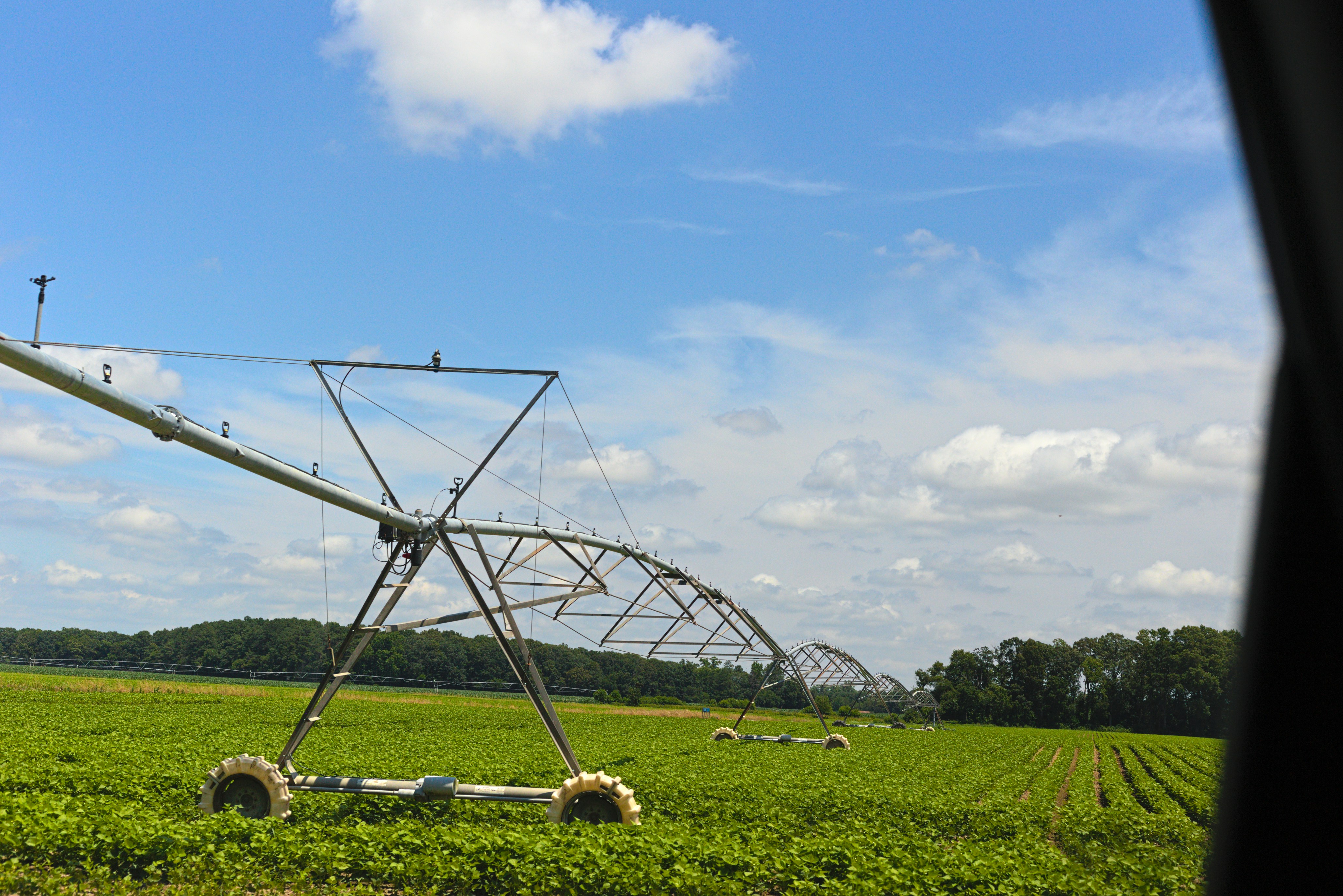
Understanding Smart Irrigation Systems
A smart irrigation system is an automated watering solution that uses real-time weather data and soil moisture levels to optimize garden hydration. Unlike traditional timers, these systems adjust schedules based on local rainfall, temperature, and evaporation rates, significantly reducing water waste while promoting healthier plant growth. These systems leverage state-of-the-art smart home technology to automate and optimize watering schedules, making them an essential tool in the realm of smart gardening.
| Feature | Traditional Timers | Smart Controllers |
|---|---|---|
| Control Method | Fixed mechanical schedule | Weather & sensor-based AI |
| Water Efficiency | Standard usage (often wasteful) | Reduces waste by 20% – 50% |
| Adjustment | Manual seasonal changes | Automatic real-time updates |
| Connectivity | None (Offline) | Wi-Fi, Bluetooth, & App control |
At the core of smart irrigation systems lies an array of features, including soil moisture sensors, which monitor the hydration levels of the soil and provide crucial data to the system. These sensors determine when and how much water is needed, ensuring that plants receive adequate moisture while preventing over-watering. This precision not only promotes healthier plant growth but also conserves water, addressing both environmental and economic concerns.
Automated controllers in smart irrigation systems are programmed to adjust watering schedules based on real-time weather data. By integrating information such as rainfall and temperature forecasts, these controllers can modify the irrigation process, reducing water waste and minimizing utility bills. This adaptability is a hallmark of smart home technology, which aims to enhance efficiency through intelligent decision-making.
The Science of Evapotranspiration and Hydrozoning
To truly master smart gardening, one must understand the concept of Evapotranspiration (ET). Expert landscapers define ET as the sum of evaporation from the soil surface and transpiration from plant leaves. High-end smart controllers use local weather station data to calculate this loss daily, ensuring your system only replaces the exact amount of moisture lost. For example, on a humid, overcast day in a temperate climate, your system might skip watering entirely, whereas a dry, windy afternoon would trigger a precision cycle. According to research from the University of Florida IFAS, understanding these scientific principles is what makes a controller truly “smart” compared to a simple signal-based timer.
Another practical strategy used by professionals is “Hydrozoning.” This involves grouping plants with similar water needs into specific zones managed by the smart controller. By assigning a dedicated zone to drought-tolerant succulents and another to a moisture-heavy vegetable patch, you prevent the common mistake of “one-size-fits-all” watering. This targeted approach is often what distinguishes a thriving, professional-grade landscape from a standard home garden.
EPA WaterSense and Technical Standards
When evaluating smart technology, looking for the EPA WaterSense label is a critical trust signal. This certification ensures the device has been independently tested to save at least 20% more water than traditional models while maintaining plant health. From a technical perspective, these systems often utilize non-volatile memory, meaning your complex watering schedules and zone configurations remain saved even during a total power failure—a vital feature for maintaining consistency in long-term garden care.
Planning Your Smart Irrigation System Installation
To successfully implement a smart irrigation system, meticulous planning is crucial. Begin by assessing your garden or lawn area to understand the layout, types of plants, and their individual watering needs. Evaluate the existing conditions, such as soil type, sun exposure, and wind patterns, as these factors significantly affect irrigation requirements. This preliminary assessment will provide insights into how and where to install your system for maximum efficiency.
Site Mapping and Zone Configuration
Professional installers recommend creating a detailed site map before purchasing any hardware. This map should identify “microclimates” within your yard—areas that stay damp longer due to shade or dry out quickly in full sun. By mapping these zones, you can determine the number of solenoid valves required. For instance, a north-facing garden bed will require a significantly different watering frequency than a south-facing lawn strip. Identifying these nuances early prevents the common DIY pitfall of under-powering your controller’s zone capacity.
Technical Requirements and Connectivity Audit
A critical, often overlooked step is performing a “Connectivity Audit.” Since smart controllers rely on 2.4GHz Wi-Fi bands for weather data updates, you must verify signal strength at the exact mounting location—usually a garage or exterior wall. If the signal is weak, consider a Wi-Fi extender or a controller with an optional cellular module. Furthermore, check your existing transformer and wiring; leading manufacturer documentation notes that smart systems often require a dedicated “Common Wire” (C-wire) to power the digital interface, which may necessitate a wiring upgrade if you are retrofitting an older, mechanical timer.
Step-by-Step Installation Process
Installing a smart irrigation system is a comprehensive task that will enhance the efficiency of your garden watering routine. Follow these steps for a professional-grade setup:
- Site Preparation: Map your garden zones and identify microclimates.
- Controller Mounting: Install the smart controller in a weather-protected area at eye level.
- Wiring: Connect zone wires and ensure the “Common” (C-wire) is securely seated.
- Manifold Assembly: Build the valve manifold using Teflon tape on all connections.
- Pressure Testing: Check for leaks and install a regulator if pressure exceeds 80 PSI.
- Calibration: Place sprinklers and pair the device with its mobile app for AI-driven scheduling.
Mounting the Controller and Wiring Terminal
Start by mounting your smart controller at eye level in a weather-protected area. If you are retrofitting an old system, carefully label each zone wire before disconnecting the legacy timer. Use a multimeter to check for continuity in your 18-gauge sprinkler wires to ensure no underground breaks exist. When connecting to the terminal block, ensure the “Common” wire is securely seated in the ‘C’ slot, as this completes the electrical circuit for all solenoid valves. For example, if Zone 1 fails to activate during testing, the most common culprit is a loose connection at this terminal point.
Valve Manifold Assembly and Pressure Testing
Following the controller setup, assemble the valve manifold. This component acts as the gateway for water distribution. Professionals advise using Teflon tape on all threaded connections to prevent slow-leak “weeping” that can waste hundreds of gallons over time. Once the manifold is connected to the main water line, perform a static pressure test. If your home’s water pressure exceeds 80 PSI, installing a pressure regulator is a technical necessity to prevent “water hammer” or damage to sensitive drip emitters.
Sprinkler Head Calibration and App Integration
The final physical phase involves placing sprinklers and drip lines. For sensitive garden beds, utilize pressure-compensating emitters to ensure every plant receives the same volume of water regardless of its distance from the valve. Once physical components are secured, pair the controller with its dedicated mobile app. During this phase, you will input specific soil types (e.g., clay vs. sandy) for each zone. This technical data allows the AI to calculate the “Soak and Cycle” time, preventing runoff by allowing water to penetrate the soil before the next pulse begins.
Essential Safety & Industry Standards
To ensure the reliability and safety of your installation, it is critical to adhere to established industry codes and safety practices. Neglecting these can lead to system failure or, in some cases, health hazards.
Backflow Prevention and Water Safety
The most critical safety component of any irrigation system is the Backflow Preventer. According to the Uniform Plumbing Code (IAPMO), it is a legal requirement in many jurisdictions to install a certified Pressure Vacuum Breaker (PVB) or Reduced Pressure Zone (RPZ) valve. This device prevents lawn chemicals, fertilizers, and stagnant water from siphoning back into your home’s clean drinking water supply during a pressure drop. Always check local plumbing codes before tapping into your main water line.
Electrical Standards (NEC Compliance)
When installing your smart controller, ensure compliance with the National Electrical Code (NEC). If your controller is mounted outdoors, it must be housed in a weather-rated enclosure and plugged into a GFCI (Ground Fault Circuit Interrupter) outlet. This protects the sensitive digital components and the user from electrical surges or ground faults caused by moisture.
Pressure Regulation Standards
According to industry standards set by the ASABE, maintaining optimal operating pressure is vital for water efficiency. If your site pressure exceeds 80 PSI, you must install a pressure regulator. High pressure causes “misting” or “fogging” in sprinkler heads, where water evaporates before reaching the ground, drastically reducing the efficiency gains provided by your smart controller. These guidelines are detailed in the ASABE Standard S623 for irrigation uniformity.
Expansion Opportunities and Maintenance Tips
Smart gardening continues to evolve, and as technology progresses, so do the options available for smart irrigation systems. One prominent opportunity for expansion lies in the integration of additional features, such as moisture sensors, weather stations, or even advanced analytics that predict plant needs based on their growth stages. By utilizing these capabilities, homeowners can automate their irrigation schedules more efficiently, ensuring plants receive the appropriate amount of water based on real-time data.
Moreover, integrating your smart irrigation system with a smart home ecosystem can provide significant advantages. When linked to other smart home devices, such as outdoor smart lights or even smart garden tools, users can create a more holistic gardening strategy. For example, if a weather sensor detects impending rainfall, the system can automatically delay the scheduled watering, conserving water and optimizing resource use.
Seasonal Adjustments and Winterization
To maintain peak efficiency, it is vital to implement a seasonal maintenance calendar. In the spring, perform a “wet test” by manually activating each zone to check for cracked pipes or misaligned heads. For those in colder climates, the “Blow-Out” method is an expert-recommended winterization technique. Using an air compressor, you can force water out of the lateral lines and valves, preventing catastrophic freeze damage to your solenoid manifold. Failing to winterize correctly can lead to expensive repairs when the ground thaws in the spring.
System Diagnostics and Hardware Longevity
To ensure the longevity and effectiveness of your smart irrigation system, it is essential to establish a routine maintenance schedule. Regular checks are necessary to detect any leaks, clogs, or malfunctions that may impact efficiency. Cleaning the emitters and checking for any blockages not only prolongs the lifespan of your existing setup but also keeps your plants healthy. For example, if your app reports a “high-flow error,” it likely indicates a ruptured line or a missing sprinkler head that requires immediate physical inspection.
The system’s software should be updated periodically to take advantage of new features and bug fixes. Manufacturers often release updates that improve functionality, making it vital to stay informed about these developments. Additionally, adjusting settings based on seasonal weather patterns or observing plant growth can lead to a tailored approach to watering, ensuring optimal plant health while reducing waste.
As you explore the possibilities of your smart gardening setup, remember that thoughtful expansion and diligent maintenance work hand-in-hand to cultivate a thriving garden efficiently.
Professional Edge: Advanced Insights
To maximize the return on your investment, consider the data-driven advantages of professional-grade calibration. According to the Irrigation Association, transitioning to a WaterSense-certified smart controller can save the average household nearly 7,600 gallons of water annually. This efficiency is often enhanced by original insights from field experts who advocate for “Head-to-Head Coverage”—a standard where the spray from one sprinkler reaches the base of the next, eliminating dry spots and fungal stress caused by uneven watering. Furthermore, advanced users often integrate smart flow meters; these devices provide a critical layer of trust by automatically shutting off the main water supply if a catastrophic pipe burst is detected, protecting both your landscape and your home’s foundation. For absolute precision, expert landscapers prioritize physical soil moisture sensors over cloud-based weather data alone, as localized micro-climates—such as garden beds shielded by deep roof eaves—often require vastly different hydration than the regional forecast suggests. This scientific approach extends to understanding soil texture; for instance, clay-heavy soils require lower “Infiltration Rates” to prevent runoff, making the “Soak and Cycle” software feature a technical necessity rather than a luxury. Finally, while the digital interface is DIY-friendly, remember that tapping into high-pressure main lines or installing complex backflow assemblies is where professional plumbing expertise becomes a safety requirement to ensure system integrity.
Frequently Asked Questions
Can I install a smart controller if my Wi-Fi doesn’t reach the garage?
Yes, but you will need to boost the signal. Most smart irrigation systems require a stable 2.4GHz connection to pull real-time weather data. Professionals recommend installing a Wi-Fi extender or a mesh node within 20 feet of the controller. Alternatively, look for hardware that supports Amazon Alexa or optional cellular modules for remote areas.
Will my plants die if the internet goes out?
No. High-quality smart controllers feature non-volatile memory and internal clocks. If the Wi-Fi connection is lost, the system will revert to its last saved schedule or a default “offline” program. Once connectivity is restored, the AI will automatically sync and adjust for any weather events that occurred during the outage.
Do I need a rain sensor if my controller uses weather data?
While weather data is accurate, an on-site rain sensor provides a technical “fail-safe.” Localized micro-storms may hit your yard but miss the nearest weather station. An expert-grade setup often combines both: the app handles predictive delays based on forecasts, while the physical sensor provides an immediate “hard stop” if it detects actual precipitation on your property. Challenge your setup by integrating it with other devices to see how it performs.
Is a permit required for smart irrigation installation?
In many jurisdictions, a permit is required if you are tapping into the main water line or installing a new backflow preventer. Smart systems are technically considered “modifications to a plumbing system.” Always check with your local municipality to ensure compliance with water conservation laws and safety codes.
Can I control multiple properties from one app?
Most leading smart irrigation platforms allow for “Multi-Controller Management.” This is particularly useful for property managers or those with vacation homes. You can toggle between different locations, monitor flow rates, and receive leak alerts for multiple addresses from a single dashboard interface.