
Understanding Weather-Based Irrigation Systems
Weather-based irrigation systems represent a significant advancement in the domain of smart irrigation technology. These systems utilize various environmental data to optimize water usage in gardening and agricultural practices, promoting sustainable smart living. At their core, they rely on a synthesis of data inputs—including real-time weather forecasts, soil moisture content, and historical climate trends—to make informed decisions about irrigation schedules.
A critical component of any weather-based irrigation system is the integration of rain sensors. These sensors detect the presence of rainfall in the environment and communicate with the irrigation system to delay or suspend watering activities. This feature is essential in preventing over-irrigation, which not only conserves water but also contributes to healthier plant growth by avoiding waterlogging.
Furthermore, modern weather-based irrigation systems utilize evapotranspiration (ET) data. Evapotranspiration refers to the total amount of water evaporated from the soil and transpired by plants. By analyzing ET levels, the system can determine the exact amount of water required to maintain optimal soil moisture levels. This data-driven approach empowers gardeners to make smart decisions, reducing waste and enhancing the overall efficiency of their irrigation practices.
Complementing these components are weather forecasting tools that provide predictions of upcoming weather patterns. Utilizing cellular technology or Wi-Fi, these systems can remain connected to the internet and sync with local weather stations. This connectivity allows for adjustments in irrigation schedules based on anticipated rain or extreme temperature changes. By seamlessly integrating these technologies, smart irrigation systems not only maximize water efficiency but also foster the development of a smart garden, aligning with sustainable gardening practices.
The Benefits of Using Weather-Based Irrigation
Implementing weather-based irrigation systems presents numerous advantages, particularly in the realm of water conservation. Traditional irrigation methods often lead to over-watering, resulting in significant water wastage. In contrast, smart irrigation systems utilize data from weather forecasts and soil moisture sensors to optimize watering schedules. This adaptive approach ensures that gardens receive the precise amount of water needed for growth, thereby significantly reducing unnecessary water consumption.
One of the primary benefits of adopting such technology is the potential for lower utility costs. By aligning watering with weather conditions — such as rainfall and temperature — these systems contribute to major savings on water bills. Homeowners and commercial property managers alike can appreciate the financial implications of cutting down on their water usage while maintaining lush gardens and green spaces.
Additionally, smart irrigation promotes healthier plants. By delivering water based on real-time environmental conditions, these systems help to avoid the stress that over-watering or under-watering can impose on plants. Healthier plants not only look more appealing but also require fewer resources to maintain, leading to a more sustainable approach to gardening.
Moreover, the environmental benefits of utilizing weather-based irrigation cannot be overstated. These systems effectively reduce runoff, which is often laden with pollutants that can harm local water supplies. With better management of water resources, communities can safeguard their water quality while ensuring that precious resources are preserved for future generations. As we embrace smart living through innovative practices like smart irrigation, we take significant strides towards sustainability and ecological preservation, leading to enhanced quality of life.
How Weather-Based Irrigation Saves Water
Weather-based irrigation systems represent a significant advancement in water conservation technology, particularly in the realm of smart gardening and sustainable outdoor practices. These systems utilize precise moisture measurement and adapt watering schedules based on real-time weather data, thereby optimizing water use in gardens and landscapes.
At the core of weather-based irrigation is the ability to monitor and measure soil moisture levels accurately. This technology often employs sensors placed in the ground, which relay information regarding the moisture available to plant roots. By assessing this data, the irrigation system can effectively determine when and how much water is necessary, reducing the likelihood of overwatering—a common issue in traditional gardening methods.
Furthermore, these systems are designed to adapt dynamically to changing weather patterns. For instance, if a weather forecast predicts rain, the smart irrigation system can automatically adjust its watering schedule, pausing irrigation to conserve water. This proactive management not only prevents water wastage but also ensures that gardens and landscapes receive the optimal hydration required for growth.
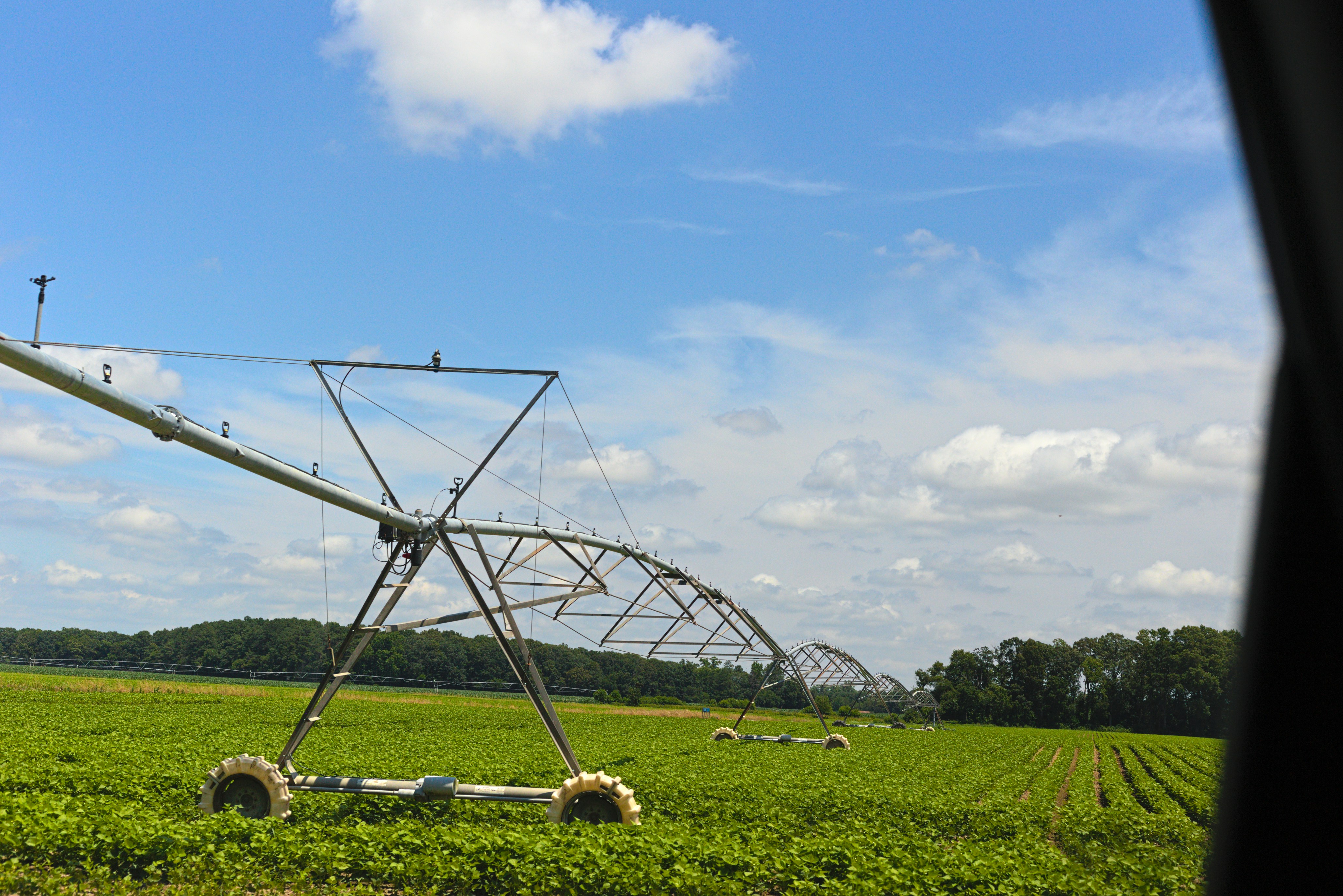
Examples of successful implementation can be seen across various settings. In residential gardens, homeowners have reported a considerable decrease in water bills after adopting weather-based irrigation technology. In agricultural fields, farmers utilizing such systems have documented water savings of up to 30% compared to conventional irrigation practices. Moreover, commercial landscaping projects have also benefited, with landscape managers achieving better resource efficiency and reduced operational costs.
In conclusion, the implementation of weather-based irrigation systems significantly enhances water conservation efforts. By integrating smart living principles into gardening practices, these technologies represent a crucial step toward sustainable resource management in our ever-changing environment.
Implementing a Weather-Based Irrigation System
Integrating a weather-based irrigation system into your gardening practices can significantly enhance water efficiency, contributing to a sustainable smart garden. To begin, it is essential to assess your specific needs, available resources, and garden layout. Different systems offer varied features, including soil moisture sensors, predictive weather analytics, and mobile control options. Based on these factors, choose a system that aligns well with your gardening goals and environmental conditions.
Once you have selected an appropriate smart irrigation system, the next step is to integrate it with your existing infrastructure. If you have an established irrigation layout, ensure compatibility between the weather-based system and your current sprinklers or drip lines. Many modern systems allow for straightforward integration; however, experts recommend consulting a professional for installation to maximize functionality. This step is crucial as it optimizes watering schedules by adjusting them according to current weather conditions, thus preventing over-watering and ensuring that your garden thrives.
Maintenance of your weather-based irrigation system is vital for long-term success in smart living and gardening. Regularly check sensor functionality, clean filters, and calibrate the system as needed to maintain its efficiency. Most systems require minimal maintenance, but it is advisable to familiarize yourself with user manuals and seek manufacturer support if issues arise. Costs associated with implementing such systems vary according to type and features. Budget for initial purchase, installation, and any additional maintenance tools or services you might need.
For new users, a helpful FAQ section or troubleshooting guide can alleviate common concerns. This may include tips for dealing with sensor malfunctions or understanding data interpretation from your system’s smart technology. By addressing these potential issues early, you can ensure smoother operation, promoting an efficient and environmentally friendly approach to gardening.