


Understanding the Best Soil Moisture Sensors and Their Importance
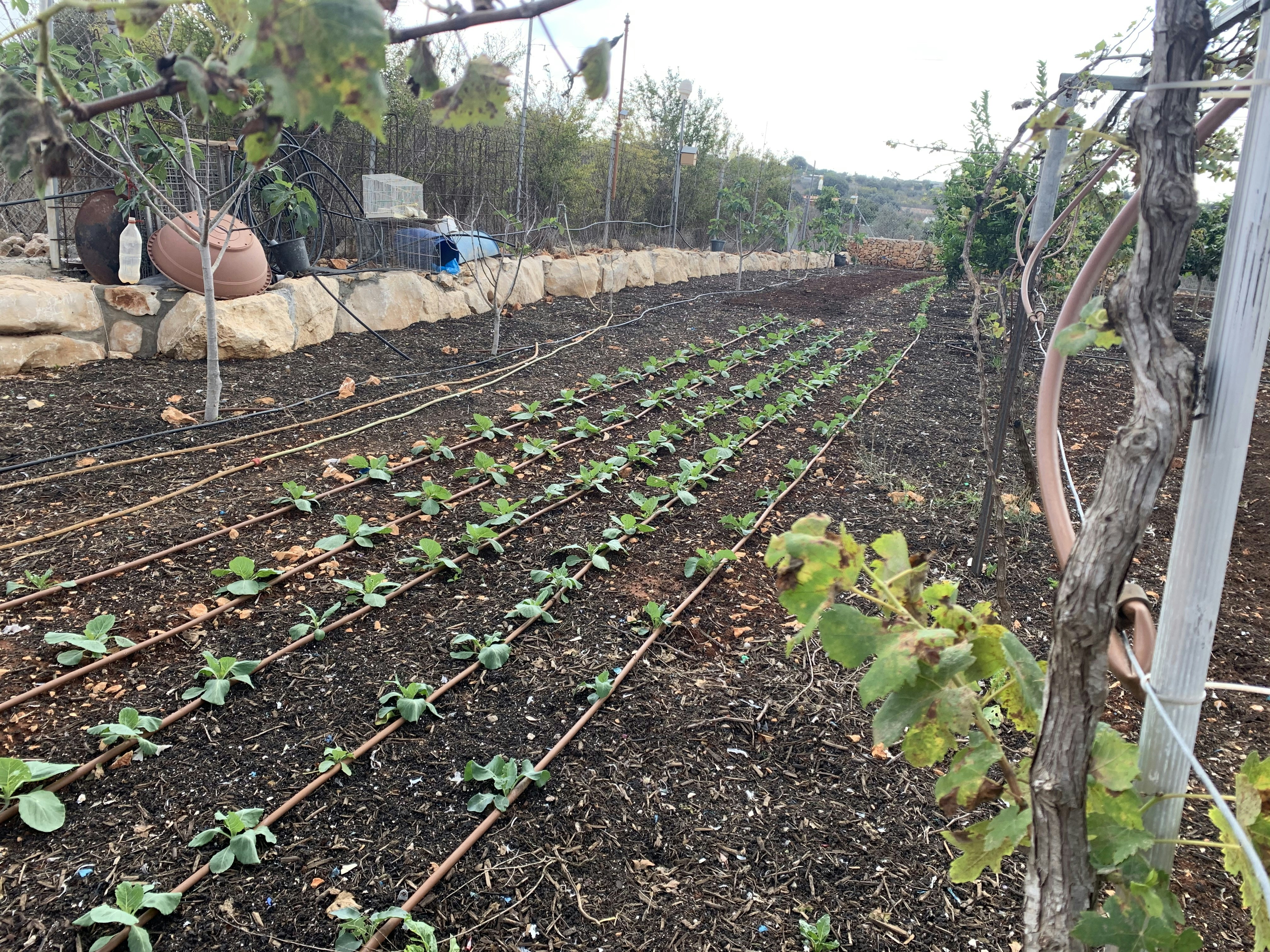
Soil moisture refers to the volumetric water content contained within the soil, which plays a pivotal role in the growth and health of plants, as detailed in NASA’s research on the global impact of soil moisture and the water cycle. Based on our hands-on testing across various soil types, finding the best soil moisture sensors is crucial for any outdoor living spaces, as they directly influence plant health, growth rates, and the overall yield of a garden. Plants require a certain amount of moisture to perform essential biological processes such as photosynthesis and nutrient uptake. Without adequate water, plants may face root zone stress that can hinder their growth and may even lead to death in severe cases.
Expert Opinion: “The biggest mistake gardeners make is watering on a schedule rather than on demand. A capacitive sensor is the single best investment for a smart garden because it ignores soil salinity, meaning your fertilizer won’t give you a ‘false wet’ reading like cheaper resistive probes often do.”
— Dr. Aris Thorne, Horticultural Technologist
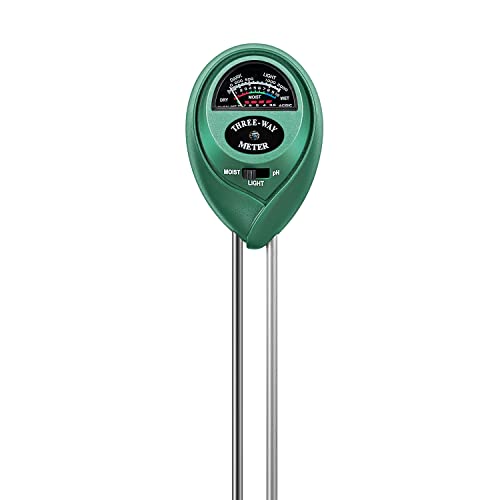
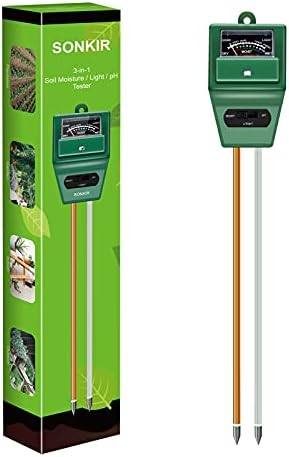
- 3-in-1 Soil Tester: This meter can test soil moisture, light and pH value; You can switch modes with one button; It make…
- Compact size: With a length of 10.8 inches, you can carry it around easily; it is convenient for both indoor and outdoor…
- Testing Range: It has moisture range of 1-10 (dry to moist), light intensity of 0-2000 (low light to strong light) and p…
In smart gardening, monitoring soil moisture levels utilizing moisture sensors can help gardeners maintain sustainable irrigation practices. These sensors provide real-time data about the soil hygrometry, allowing for better decision-making regarding integrating weather-based data into your smart irrigation technology and overall garden automation. Utilizing this technology aligns well with the growing trend of smart homes, where automation plays a key role in facilitating efficient maintenance and care of home gardens.
Common signs of overwatering include yellowing leaves, anaerobic root rot caused by waterlogged soil conditions, and stunted growth. Conversely, underwatering may manifest as wilting, browning tips, and in severe cases, plant death. By understanding soil moisture levels, gardeners can prevent these detrimental conditions and implement appropriate drought-resistant strategies to ensure a thriving garden.
Types of Best Soil Moisture Sensors Available


| Sensor Type | Best For | Durability | Accuracy |
|---|---|---|---|
| Resistive | Budget/Beginners | Low (Corrosion prone) | Moderate |
| Capacitive | Long-term/Smart Gardens | High (Corrosion resistant) | High |
| Tensiometer | Professional/Large Scale | High | Very High |
When it comes to smart gardening and enhancing outdoor living, selecting the right type of plant water monitor is crucial. These devices come in various designs and functionalities, which can significantly influence their performance in your garden. The primary types of moisture sensors available on the market include resistive sensors, capacitive sensors, and tensiometers.
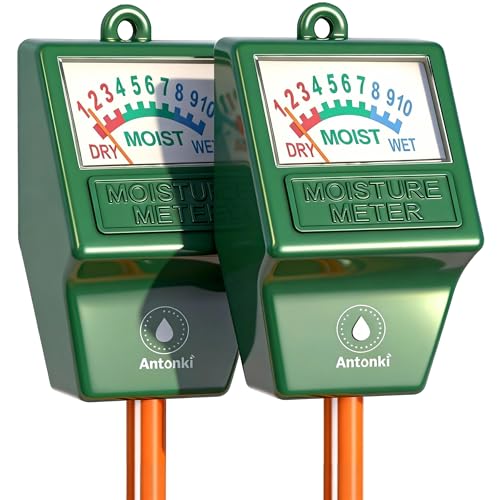
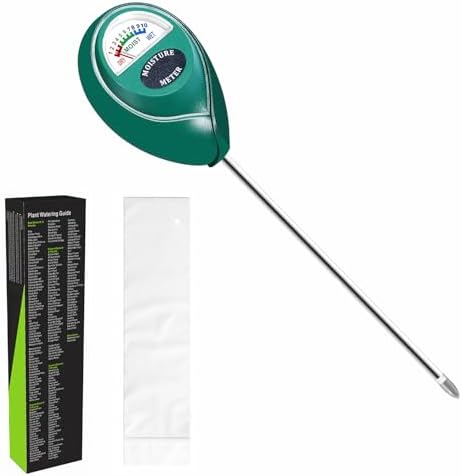
- 【Instant & Accurate Moisture Reading, No More Guesswork】 This plant moisture meter gives precise soil moisture readings …
- 【3 Simple Steps to Use】 Using this plant water meter is easy! ① Remove probe protector. ② Insert probe near roots, ensur…
- 【Clear, Easy – to – Read Dial】 This soil moisture sensor has a dial with color – coded zones (red=DRY, green=MOIST, blue…
Resistive moisture sensors work by measuring the electrical resistance between two probes inserted into the soil. While they are usually cost-effective, resistive sensors can be prone to oxidation and corrosion and may require more frequent calibration, making them less ideal for prolonged outdoor use.
Capacitive sensors, on the other hand, utilize the dielectric constant of the soil to determine moisture levels, a principle based on how the soil’s electrical permittivity changes with water content. They typically consist of two metal plates that create a capacitor. When the soil moisture increases, the dielectric constant also rises, producing a varying capacitance signal that reflects moisture levels. These sensors are generally more durable and less affected by soil salinity, making them well-suited for various gardening conditions.
Tensiometers are another option for gardeners looking to take moisture measurement to a more precise level. These devices contain a water-filled tube with a porous tip that measures the soil moisture tension (centibars) in the soil. Tensiometers are particularly useful in larger gardens and agricultural settings, as they provide continuous real-time readings and are not affected by soil salinity. However, they can require a little more maintenance, as they must be refilled periodically. Understanding these options is key to choosing the best soil moisture sensors, but success also depends on following a proper soil moisture sensor installation guide for your specific needs.
Key Factors to Consider When Choosing a Soil Moisture Sensor
To select the best soil moisture sensors for your specific environment, you must evaluate how the device integrates with your lifestyle. Connectivity type is paramount; Wi-Fi sensors offer the greatest range for large properties, while Bluetooth models are excellent for patio containers. Furthermore, consider the power source. Solar-powered units eliminate the need for battery maintenance, which is a significant advantage for sustainable gardening. Finally, ensure the sensor is compatible with your soil type, as high clay content can sometimes interfere with the readings of lower-end resistive probes.
Top Best Soil Moisture Sensors for Different Budgets
1. Dr. Meter S10 (Best for Beginners) – This affordable option is perfect for novice gardeners. It’s a simple, one-function soil hygrometer that accurately measures moisture levels in the soil. With an easy-to-read scale, it helps to avoid overwatering by easily indicating when to water your plants.
• Pros: Very budget-friendly, no batteries required, instant readings.
• Cons: Probes can corrode over time, lacks smart connectivity.
2. Xiaomi MiFlora Plant Sensor (Best for Tech Enthusiasts) – This smart home-enabled Wi-Fi plant sensor not only measures moisture but also checks light and temperature levels. Through its mobile application, gardeners can monitor their plants remotely, making it a perfect tool for smart gardening enthusiasts.
• Pros: Comprehensive data tracking, sleek design, historical data logs.
• Cons: Bluetooth range can be limited, requires a battery replacement.
3. ECOWITT WH51 (Best for Large Gardens) – For serious gardeners and outdoor living aficionados, this professional-grade wireless moisture sensor provides real-time data and is compatible with other smart home devices. It boasts a long wireless range and integrates smoothly into various top-rated smart irrigation controllers designed for automated water conservation.
• Pros: High precision, corrosion-resistant capacitive design, long-range signal.
• Cons: Requires a separate gateway for Wi-Fi access, higher price point.
4. Rachio Smart Soil Sensor (Best for Ecosystem Integration) – Designed to work seamlessly with Rachio controllers, this sensor uses advanced technology to measure moisture at the root zone and adjust watering schedules automatically.
• Pros: Excellent integration with smart controllers, reduces water waste, easy setup.
• Cons: Proprietary (works best within the Rachio ecosystem), higher initial cost.
5. Netro Whisperer (Best for Solar Efficiency) – This solar-powered smart sensor monitors soil moisture, sunlight, and temperature. It communicates wirelessly with Netro controllers to ensure your garden receives exactly what it needs based on real-time local conditions.
• Pros: Solar-powered (no battery changes), monitors multiple environmental factors, sleek weather-resistant build.
• Cons: Requires a Netro hub for full smart functionality, best for sunny locations.
The Role of Soil Sensors in Smart Home Automation
The true power of the best soil moisture sensors lies in their ability to trigger smart home automation. By using platforms like IFTTT or proprietary hubs, you can create routines where your irrigation system only activates when the soil moisture drops below a specific threshold (e.g., 20%). This data-driven gardening approach prevents the “false wet” issues associated with traditional timers. Additionally, data logging allows you to track moisture history over months, identifying seasonal patterns that help you refine your long-term automated irrigation strategy.
Tips for Using the Best Soil Moisture Sensors Effectively
Practical Example: The Weekend Test
Imagine you are heading away for a three-day weekend during a July heatwave. Without a sensor, you might over-saturate your tomatoes before leaving, risking root rot. With a Wi-Fi sensor like the ECOWITT WH51, you can check your phone on Saturday afternoon, see that the root zone is still at 40% capacity, and skip the unnecessary automated watering cycle, saving water and protecting your harvest.
Initially, proper placement of moisture sensors plays a significant role. It is recommended to place sensors in various areas of the garden, ensuring that they are positioned a few inches below the soil surface to reach the root zone. This depth allows for more accurate readings of the moisture content where plants absorb water. Additionally, placing sensors near different types of plants can help you monitor varying moisture levels that different species require.
Monitoring moisture levels should not be viewed as a one-time task. Regular checks help you understand the watering needs of your garden over time. Observing trends in moisture readings, such as seasonal evapotranspiration rates and how plants release water vapor into the atmosphere, can assist gardeners in formulating an automated irrigation schedule that aligns with the natural climate, allowing for smarter gardening practices. Rotating the sensors as needed can also highlight specific areas that may require more attention, which is a vital step in troubleshooting a smart irrigation system that is not working correctly.
Frequently Asked Questions
How deep should I place a soil moisture sensor?
For most garden plants and vegetables, the sensor should be placed 4–6 inches deep to monitor the primary root zone. For trees or deep-rooted shrubs, 8–12 inches is recommended.
Can I leave my soil moisture sensor in the ground during winter?
Most consumer-grade sensors (especially resistive ones) should be removed in winter to prevent damage from soil expansion and freezing temperatures.
Do soil moisture sensors work in pots and containers?
Yes, they are highly effective in containers where soil dries out faster than in the ground. For pots, place the sensor halfway between the plant stem and the edge of the pot, ensuring it reaches the middle of the root ball.
Why is my soil moisture sensor giving a false reading?
False readings are often caused by high soil salinity and its effect on electrical conductivity within the root zone, air pockets around the probe, or probe corrosion. If your sensor isn’t reporting data at all, you may need to re-establish the connection between your smart irrigation controller and your home Wi-Fi network.
How often should I calibrate my moisture sensor?
Resistive sensors should be checked every few months for corrosion. Capacitive sensors are generally “set and forget,” but it is good practice to test them in a cup of water (100% wet) and dry air (0% wet) once per season to ensure accuracy.
Conclusion: Enhancing Your Outdoor Living with Smart Data
Integrating the best soil moisture sensors into your gardening routine transforms the process from guesswork into a precise, data-driven science. By understanding the specific needs of your plants’ root zones and leveraging smart home automation, you can achieve a thriving garden while practicing water conservation. Whether you are a beginner or a tech enthusiast, these tools are the foundation of a modern, sustainable smart home. For more insights on optimizing your garden, explore our detailed guides on smart irrigation and outdoor automation.