
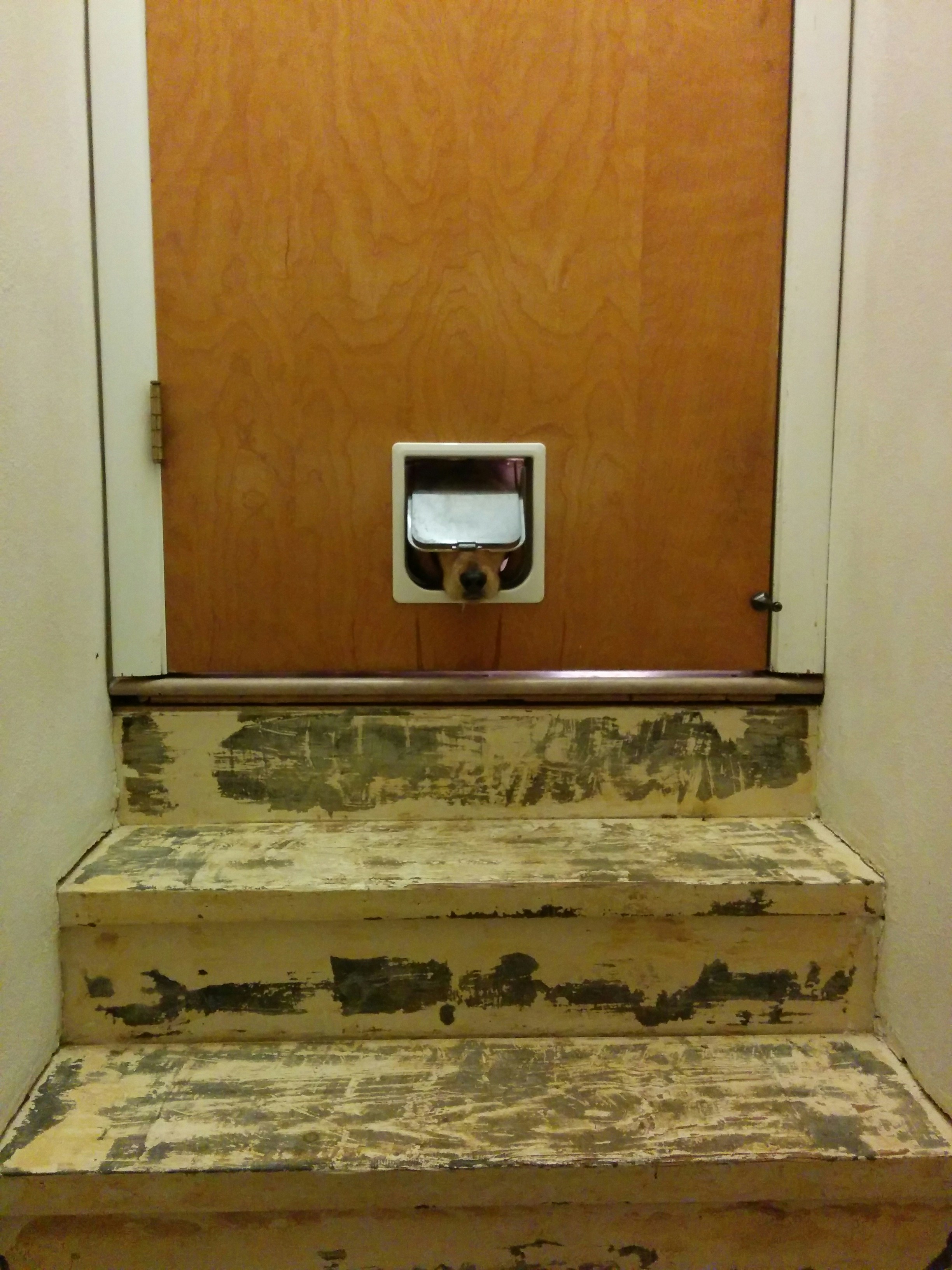
Understanding the Mechanism: Why a Smart Pet Door Might Not Be Opening
Smart pet doors represent a significant advancement in pet care technology, providing convenience and enhanced functionality for pet owners. These innovative devices integrate various components that facilitate automatic operation, primarily through the use of sensors and microcontrollers. If you are currently dealing with a smart pet door not opening, understanding how these systems work is essential for troubleshooting any issues that may arise. For those still looking for the right hardware, check out our guide on the best smart pet doors for safety and control.
At the core of the smart pet door is a series of sensors that detect the presence of your pet. These sensors typically utilize passive infrared technology or smart pet collar systems that identify when your pet is nearby. This enables the door to unlock automatically, allowing your pet to enter or exit without any manual effort. However, if these sensors fail, you’ll find your smart pet door not opening as expected.
Additionally, the microcontrollers play a vital role in processing data from the sensors. These small computing units interpret the signals received and initiate the necessary actions to open or close the pet door. This aspect of pet care automation allows owners to manage their pet’s movements even when they are away from home, adding an extra layer of convenience.
Common Issues: Troubleshooting a Smart Pet Door Not Opening
Smart pet devices have revolutionized pet care, particularly with innovations such as the smart pet door, which offers convenience for both pets and their owners. However, users may encounter various issues that can hinder its functionality. Understanding these common problems and how to address them can greatly enhance the user experience and ensure effective pet automation.
One frequent issue is related to the power supply. If your smart pet door not opening problem persists, the first step is to check the power source. Ensure the batteries are charged or the power cord is securely connected. Similar issues can occur with other devices, as seen in our guide on smart pet feeder troubleshooting.
Another common problem arises from connectivity failures. Smart pet doors typically rely on Wi-Fi or Bluetooth for their operation. If the door fails to respond, confirm the connection to your home network. A quick way to troubleshoot this is by resetting your router or the smart device itself. Rebooting the devices can often resolve connectivity issues, much like troubleshooting pet camera connection problems.
Preventive Maintenance to Avoid a Smart Pet Door Not Opening
Smart pet devices, such as automated pet doors, have revolutionized pet care, offering convenience and independence for pets and their owners alike. However, like any technological device, these smart pet doors require regular maintenance to ensure their longevity and efficient operation. Here are some practical maintenance tips to keep your smart pet door functioning flawlessly.
First and foremost, regular cleaning is essential. Dust and debris can accumulate around the frame and sensor areas of the pet door, hindering performance. Use a soft cloth to wipe down the door regularly and ensure that the sensors are free from dust and obstructions. Additionally, the flap or opening mechanism should be inspected frequently for any potential blockages or wear that could lead to a smart pet door not opening unexpectedly. Proper maintenance is a key part of improving pet safety with smart technology.
Updating software regularly is also crucial for maintaining the reliability of your smart pet door. Manufacturers often release updates that enhance functionality and address security vulnerabilities. Ensure that your smart pet devices are connected to a stable Wi-Fi network and periodically check for firmware updates through the corresponding mobile application.
Lastly, consulting the user manual can provide specific maintenance guidelines and troubleshooting tips for your particular model. By adhering to these preventive care practices, pet owners can significantly reduce the likelihood of disruptions caused by door malfunctions. Ensuring your smart pet door is well-maintained will enhance your overall pet care routine and contribute to a more harmonious home for both pets and their owners.
Frequently Asked Questions
1. Why is my smart pet door not opening even though the batteries are new?
Check for signal interference or sensor obstructions. Even with full power, if the infrared or RFID sensor is blocked by dirt or if there are large metal objects/electronic devices nearby, the door may fail to recognize your pet’s collar tag.
2. Can cold weather cause a smart pet door to stop functioning?
Yes. Extreme cold can affect battery life and cause the plastic components or seals to stiffen or freeze. If you live in a cold climate, ensure the flap is clean of ice and consider using high-quality lithium batteries, which perform better in low temperatures.
3. My smart pet door opens for my pet but also lets in other animals. How do I fix this?
This usually happens if the door is set to “Selective Exit” but “Open Entry.” Ensure your door is set to “Selective Entry” mode, which requires a specific microchip or collar tag to unlock the latch from the outside.
4. How often should I recalibrate the sensors on my automated pet door?
It is best to recalibrate your sensors every 6 months or whenever you notice a delay in the door opening. Regular software updates through the manufacturer’s app can also help maintain sensor accuracy.
5. What should I do if the manual lock works but the smart lock doesn’t?
This indicates an electronic failure rather than a mechanical one. Try a “hard reset” by removing all power sources for 60 seconds. If the issue persists, the internal microcontroller may need a firmware update or professional repair.