
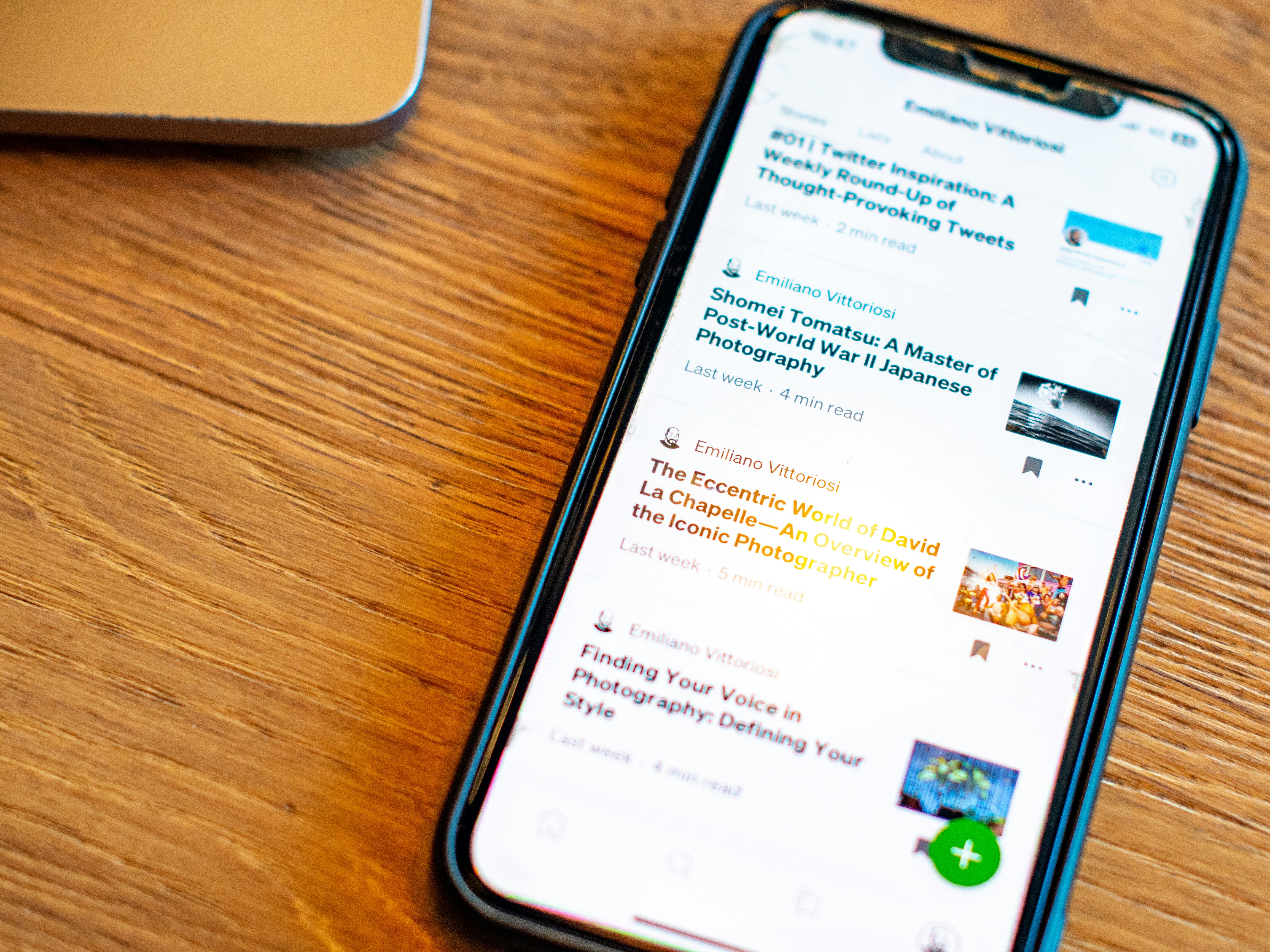
Introduction to Smart Feeders
The evolution of pet care technology has paved the way for innovative solutions like learning how to set a feeding schedule on smart feeder devices to enhance the overall well-being of our furry companions. One such advancement is the introduction of smart pet feeders. These devices represent a significant leap in how pet owners manage feeding schedules and monitor their pets’ eating habits. A smart pet feeder is designed to automate the feeding process, allowing users to control portions and timing remotely through smartphones or other connected devices. Many owners also pair these with the best smart pet cameras to watch their pets during meal times.
Smart pet feeders come equipped with various features that simplify the task of pet feeding. For instance, many models offer programmable meal portions, enabling owners to specify the exact amount of food dispensed at each feeding time. This feature is particularly beneficial for pets that require strict dietary management, helping to prevent overfeeding and obesity. Additionally, these smart home devices often include built-in cameras and feeding logs, providing pet owners with the ability to monitor their pets while they are away, ensuring that meal schedules are adhered to. If you encounter issues, check out our guide on why pet cameras might not be connecting.
The technology behind smart feeders generally relies on Wi-Fi or Bluetooth connectivity, enabling real-time adjustments and notifications sent directly to a smartphone app. This remote access allows pet owners to manage their pets’ feeding schedules easily, even from the office or while traveling. The growing popularity of smart pet devices reflects a broader trend among pet owners who seek more efficient and reliable ways to care for their pets, often starting with cheap smart pet devices that offer great value.
Choosing the Best Device: How to Set a Feeding Schedule on Smart Feeder
Selecting the appropriate smart feeder for your pet is essential for meeting their feeding needs effectively. There are various types of smart pet feeders available in the market, each designed with distinct features catering to different pets and owner preferences. You might want to compare these with top automatic pet feeders to find the best fit. When you learn how to set a feeding schedule on smart feeder systems, you can ensure your pet never misses a meal.
When considering a smart pet device, the capacity of the feeder is a fundamental factor. Different models accommodate varying amounts of food; hence, understanding your pet’s feeding habits will help in choosing a feeder that ensures sufficient supply without the need for frequent refills. For larger breeds or multiple pets, opting for a feeder with a higher food capacity can prevent interruptions during feeding times. This is a common consideration when looking for smart pet devices specifically for dogs.
Connection features also play a vital role. Many smart pet feeders integrate Wi-Fi connectivity, enabling pet owners to manage feeding schedules remotely through applications on their smartphones. This feature is particularly useful for those who are frequently away from home, allowing them to monitor their pet’s eating habits in real-time. Look for models that offer easy app integration and user-friendly interfaces for a seamless experience.
Additional functionalities, such as portion control and scheduled feeding times, are advantageous for maintaining your pet’s health. These features allow you to manage the quantity of food dispensed per meal and adhere to a structured feeding schedule. This is crucial for pets who require strict dietary management due to health considerations. In addition, some smart feeders offer video monitoring capabilities, allowing you to check on your pet while they eat.
In conclusion, selecting the right smart feeder involves considering various factors, including types available, capacity, connection features, and additional functionalities. By evaluating these characteristics, you can ensure that you choose a smart pet feeder that best suits your lifestyle and meets your pet’s dietary needs efficiently.
Step-by-Step Guide: How to Set a Feeding Schedule on Smart Feeder
Setting up a feeding schedule on smartpet feeders can significantly enhance your experience as a pet owner, making meal times more convenient and ensuring your furry friend receives the appropriate nutrition. Follow these simple steps to configure the feeding schedule within your smart pet devices.
Firstly, start by downloading the specific application associated with your smart feeder. Search for the app on either the Apple App Store or Google Play Store, depending on your device. Once installed, create or log into an account to gain access to the features of your smart home system. Mastering how to set a feeding schedule on smart feeder apps is the first step toward automation.
Next, connect your smartpet feeder to your home Wi-Fi network. Make sure your smart feeder is plugged in and powered on. Within the app, locate the network settings option to begin the Wi-Fi configuration. Input your Wi-Fi credentials as prompted, ensuring a stable connection for seamless operability. It is essential to perform this step correctly, as a weak connection may hinder the functionality of your smart pet devices.
After successfully connecting the feeder to your Wi-Fi, navigate to the feeding schedule option within the app’s interface. Here, you can customize feeding times and portion sizes according to your pet’s needs. Select the desired meal times, specifying how many times each day your pet will be fed. Depending on the model of your smart feeder, you may also have the option to set up different feeding schedules for different days. Understanding how to set a feeding schedule on smart feeder hardware ensures long-term health for your pet.
Once the feeding schedule settings are configured, ensure to test the setup. Activate a manual feed via the app to confirm that the smart feeder operates as expected. Observe whether the appropriate portion is dispensed and check if it aligns with your specifications. This step is crucial to validate that the device meets your and your pet’s expectations.
By following these steps methodically, you can efficiently set a reliable feeding schedule for your pet, enhancing their health and your convenience.
Tips for Maintaining Your Smart Feeder
To ensure the optimal performance of your smart pet feeder, regular maintenance is essential. This helps in prolonging the lifespan of your device while ensuring accurate and consistent feeding schedules for your pets. Here are several tips to consider when maintaining your smart feeder.
Firstly, regular cleaning is crucial. Food residue and dust can accumulate, potentially affecting the sensor functionality and the overall hygiene of the smart feeder. It is advisable to clean all parts of the feeder, including the food compartment and the bowl, with a mild soap solution regularly. Make sure to rinse thoroughly to avoid any soap residue that might harm your pet. Some smart pet devices come with removable components that are dishwasher safe, making cleaning more convenient.
Secondly, keeping the software of your smart pet devices updated is vital. Manufacturers regularly release firmware updates that enhance performance and address any security issues. Ensure your feeder is connected to your smart home network and check for updates through the associated mobile application periodically. A well-maintained device makes it easier to manage how to set a feeding schedule on smart feeder units effectively.
Additionally, actively monitoring your pet’s feeding habits through the smart feeder app can provide insights into their dietary needs. This data can help you adjust meal portions or feeding times effectively. If you notice unusual changes in their appetite or eating patterns, consult with a veterinarian.
Lastly, being prepared to troubleshoot common issues can save time and ensure your smart feeder remains in good working order. Familiarize yourself with the manufacturer’s troubleshooting guide, which often provides solutions for problems like connectivity issues or meal delivery failures. By following these maintenance tips, owners can maximize the benefits of their smart feeders and contribute to their pets’ well-being.
Frequently Asked Questions
What happens if my Wi-Fi goes out? Will my pet still be fed?
Most modern smart feeders have internal memory that stores your feeding schedule. As long as the device has power, it will continue to dispense food at the scheduled times even without a Wi-Fi connection. However, you won’t receive smartphone notifications until the connection is restored.
Can I use a smart feeder for wet food?
Most standard hopper-style smart feeders are designed strictly for dry kibble or air-dried food. Using wet food in these can cause clogs and hygiene issues. If you need to feed wet food, look for specialized “tray-style” smart feeders with ice packs or refrigerated compartments.
How do I prevent my pet from knocking over the feeder?
Look for feeders with a weighted base or those that can be secured to the floor. Many high-quality smart pet devices also feature “pet-proof” locking lids to prevent clever cats or dogs from breaking into the food storage area between meals.
Do smart feeders work with 5GHz Wi-Fi networks?
Many smart home devices, including pet feeders, only support 2.4GHz Wi-Fi bands because they offer better range through walls. When learning how to set a feeding schedule on smart feeder units, ensure your router is broadcasting a 2.4GHz signal or has a “Smart Connect” feature enabled.
Is there a backup if the power goes out?
Most premium smart feeders include a battery backup system (usually D-cell batteries). It is highly recommended to keep fresh batteries installed so that your pet’s feeding schedule remains active during electrical outages.