
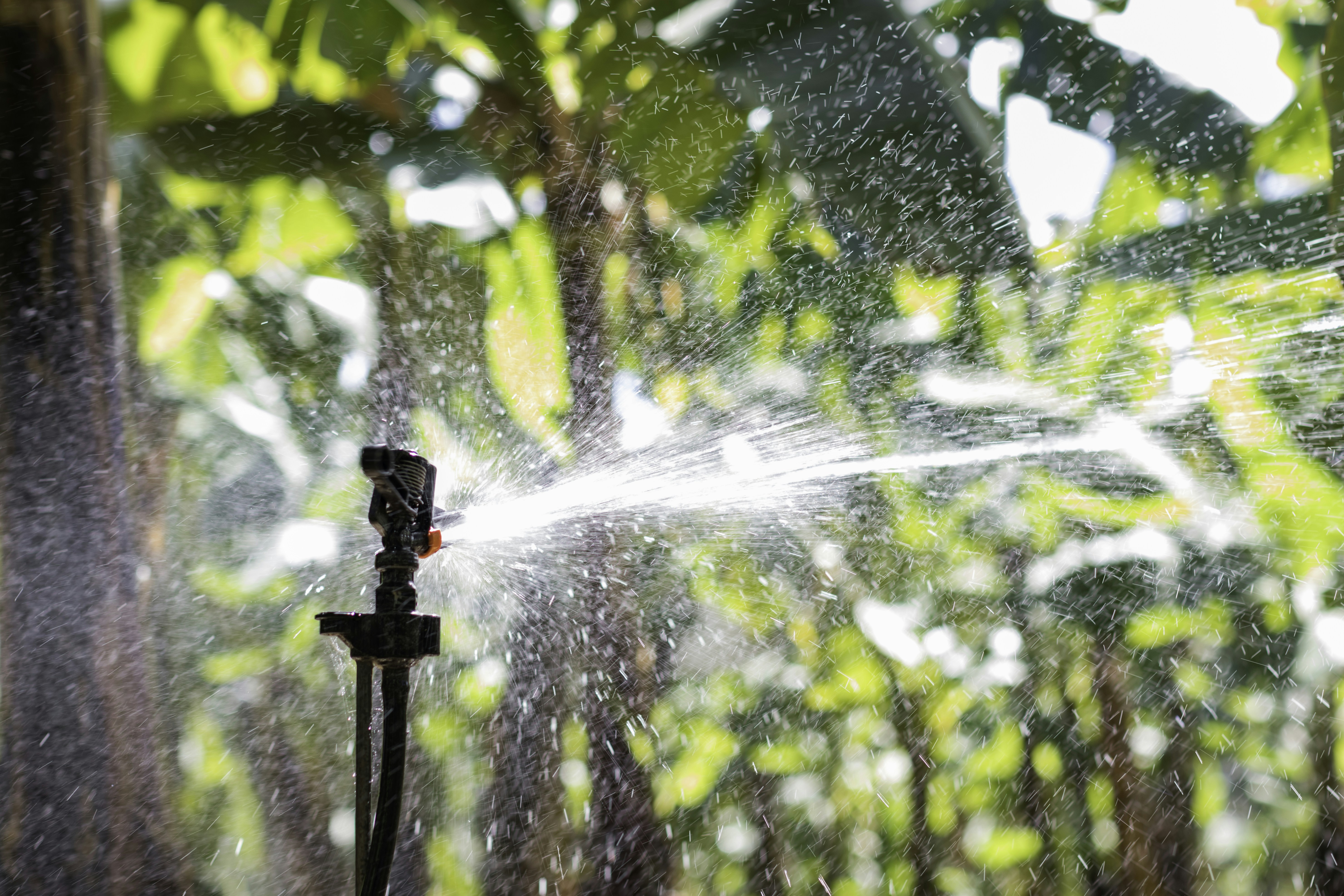
Introduction: The Future of Sustainable Gardening
Smart drip irrigation systems are emerging as a revolutionary approach for home gardening enthusiasts and outdoor living aficionados alike. These advanced irrigation systems are designed to deliver water directly to the roots of plants through a network of tubes and emitters, ensuring that each plant receives the precise amount of moisture required for optimal growth. With the increasing demand for efficient water use, these systems have become pivotal in addressing both environmental concerns and the cultivation needs of modern gardeners. For broader water-efficiency guidance, see US EPA WaterSense and NOAA Weather.

- Save Time and Effort: This Raindrip drip irrigation kit includes everything you need to create a drip watering system fo…
- Install in 3 Easy Steps: 1) Connect the timer and tubing to your water source 2) Lay out the tubing 3) Use fittings to a…
- Ideal for Any Level Gardener: Easy to customize, install, and operate, this automatic drip irrigation kit includes all t…
The Problem: Traditional Watering Challenges
For years, homeowners have relied on manual watering or traditional sprinkler systems, both of which face significant efficiency hurdles. Conventional sprinklers often lose up to 50% of water to evaporation, wind drift, and runoff. Furthermore, “blanket watering” leads to uneven moisture distribution—leaving some plants parched while others suffer from root rot. These outdated methods not only result in high utility bills but also contribute to the global water crisis, making traditional home gardening increasingly unsustainable. For extra background on irrigation efficiency, you can also review US EPA WaterSense.
The Solution: Precision Automated Care
The solution lies in the integration of smart devices and precision engineering. By utilizing a smart drip setup, water is delivered at a slow, steady rate exactly where it is needed: the root zone. Modern systems communicate with local weather stations to skip watering during rain and use soil moisture sensors to ensure irrigation only occurs when necessary. This level of automation not only conserves water but also significantly uplifts the efficiency of gardening practices, promoting a thriving garden while contributing to vital water preservation efforts. For weather-based scheduling, reference NOAA Weather.


Key Features to Look for in Smart Drip Irrigation Systems
When selecting a smart drip irrigation system for your home gardening needs, it is essential to consider several key features that enhance efficiency and usability. Chief among these features is ease of installation, which can significantly affect how quickly you can start nourishing your plants. Look for systems that offer user-friendly setups, such as plug-and-play configurations that require minimal tools or technical background.
Advanced Connectivity: Wi-Fi vs. Bluetooth
Connectivity is a crucial factor in modern irrigation systems. Bluetooth-enabled timers are excellent for small gardens where you can manage schedules from within 30-50 feet. However, Wi-Fi-connected systems offer the ultimate technical advantage, allowing for remote management from anywhere in the world. This connectivity enables compatibility with hyper-local weather data, automatically adjusting schedules based on real-time rainfall or drought conditions via cloud-based algorithms. For voice control, see Google Assistant and Amazon Alexa.
Weather Intelligence and Predictive Algorithms
Beyond simple timers, technical depth in smart irrigation comes from predictive watering. High-end systems use “Seasonal Shift” features that automatically adjust the watering duration based on the time of year and sun intensity. By integrating with services like NOAA or local weather stations, these smart devices can preemptively cancel a watering session if a storm is detected, preventing over-saturation and saving gallons of water before a single drop is wasted. Weather planning resources are available from NOAA Weather.
Soil Moisture Sensing and Feedback Loops
Soil moisture sensors represent a major technical leap. These sensors use volumetric water content (VWC) technology to provide real-time updates on soil hydration levels. Instead of watering on a fixed schedule, the system operates on a feedback loop: it only triggers if the soil moisture drops below a specific percentage. This prevents the common issue of surface-level moisture masking deep-root dehydration, promoting much healthier and deeper plant growth.
Multi-Zone Management and Scalability
A critical feature for diverse landscapes is the ability to manage multiple zones. Advanced smart controllers allow you to divide your garden into specific areas—such as a vegetable patch, flower beds, and shrubbery—each with its own independent watering schedule. This scalability ensures that high-water-demand plants like tomatoes aren’t over-watered alongside drought-tolerant succulents, providing a truly customized outdoor living environment.
Leak Detection and System Alerts
Modern smart home irrigation systems often include flow meters and leak detection technology. These systems monitor the volume of water passing through the lines and can send an instant notification to your smartphone if an unusual spike in usage is detected. This feature is invaluable for preventing water damage and ensuring that a small puncture in a drip line doesn’t turn into a costly utility bill.


Comparison: Smart Drip Irrigation vs. Traditional Sprinklers
Choosing between a smart drip system and traditional sprinklers can significantly impact your garden’s health and your monthly expenses. Here is how they compare across key metrics:
| Feature | Smart Drip Irrigation | Traditional Sprinklers |
|---|---|---|
| Water Efficiency | 90% – 95% (Direct to root) | 50% – 65% (High evaporation) |
| Targeted Delivery | Precise root zone application | Broad “blanket” coverage |
| Automation | Weather-based & sensor-driven | Standard manual or basic timers |
| Weed Control | Reduces weeds by keeping surrounding soil dry | Encourages weeds by watering entire surface |
| Disease Prevention | Keeps foliage dry (Prevents fungus) | Wet leaves (Increases disease risk) |
While traditional sprinklers are suitable for large lawn areas, smart drip systems are the superior choice for garden beds, orchards, and potted plants. By delivering water slowly and directly to the soil, drip systems eliminate the “mist” factor that leads to waste, making them the gold standard for sustainable gardening.
Step-by-Step Installation Guide for Smart Drip Systems
Setting up a smart irrigation system is a rewarding DIY project that can be completed in a single afternoon. Follow these steps to ensure a leak-free and efficient installation:
- Plan Your Layout: Map out your garden zones. Identify the water source and group plants with similar hydration needs together. Use a measuring tape to determine the length of mainline tubing required.
- Prepare the Water Source: Attach your smart timer to the outdoor faucet. It is highly recommended to install a backflow preventer and a pressure regulator to protect your home’s plumbing and prevent the drip lines from bursting.
- Lay the Mainline: Run the 1/2-inch distribution tubing along the perimeter of your garden beds. Use ground stakes to keep the line securely in place. If the tubing is stiff, let it sit in the sun for 15 minutes to make it more pliable.
- Install Emitters and Micro-tubing: Use a punch tool to create holes in the mainline. Insert barbed connectors and attach 1/4-inch micro-tubing to reach individual plants. Place an emitter at the end of each micro-tube near the plant’s base.
- Connect to the App: Power on your smart controller and pair it with your home Wi-Fi via the manufacturer’s app. Set up your zones and enable weather-based delays.
- Flush and Test: Before sealing the ends of your tubing with end caps, run the water for one minute to flush out any debris. Once capped, turn the system on and check every connection for leaks.
Top Recommendations: Best Smart Drip Irrigation Systems Available on Amazon
When considering the installation of an effective irrigation system for your home garden, smart drip irrigation systems are leading the charge in terms of efficiency and convenience. Here, we present curated recommendations for some of the best systems you can currently find on Amazon, each designed to enhance your outdoor living experience.
1. TACKLIFE Smart Drip Irrigation Kit
This comprehensive kit is perfect for any home gardener. Featuring customizable watering schedules, it can be easily integrated with smart home devices. Users appreciate its user-friendly app and the ability to control watering from anywhere. However, some reviews suggest that the setup may require patience for optimal performance.
2. Gilmour Digital Water Timer with Rain Delay
Ideal for those who want to manage their watering routine seamlessly, this timer connects directly to your existing drip irrigation system. Its unique rain delay feature conserves water by pausing during rainfall events. Users noted that it is straightforward to install, but some wished for more advanced smart features.
3. Rain Bird Drip Irrigation Kit
This robust kit offers adjustable emitter spacing, allowing for precise watering based on plant needs. Customers highlight its effectiveness in maintaining a healthy garden while minimizing water usage. The only downside reported is that the kit may not include all components needed for extensive gardens.
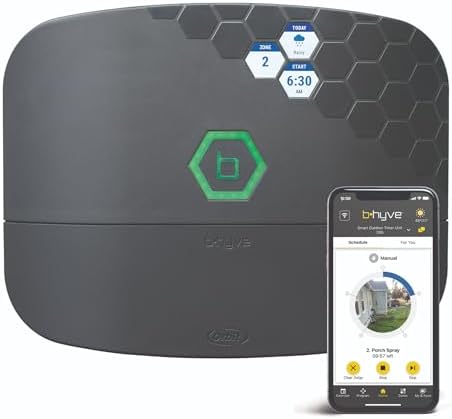
4. Orbit B-hyve Smart Hose Faucet Timer
Designed for flexibility, this device can transform your standard hose into a smart irrigation system. Users appreciate its easy installation and excellent connectivity with smart devices, although some experienced occasional connectivity issues in larger properties.
Frequently Asked Questions About Smart Drip Irrigation
How much water can a smart drip irrigation system save?
A smart drip irrigation system can save up to 50% more water compared to traditional sprinklers. By delivering water directly to the roots and using weather data to skip cycles, it eliminates evaporation and runoff waste.
Do smart irrigation systems work with Alexa or Google Home?
Yes, many modern systems like the Orbit B-hyve are compatible with Amazon Alexa and Google Assistant, allowing you to start or stop watering with simple voice commands.
Can I install a smart drip system myself?
Absolutely. Most smart drip kits are designed for DIY installation and require no special plumbing skills. Most setups can be completed in 2 to 4 hours using basic tools.
Do I need a Wi-Fi connection for my smart irrigation timer?
While some timers use Bluetooth for local control, a Wi-Fi connection is required to access “smart” features like automatic weather adjustments and remote control from outside your home.
Will a drip system work for my lawn?
Drip irrigation is generally best for garden beds, trees, and shrubs. For lawns, subsurface drip irrigation is possible but requires professional installation; traditional sprinklers remain more common for grass.
How do soil moisture sensors improve irrigation?
Soil moisture sensors measure the actual water content in the ground. They prevent the system from watering if the soil is already damp, ensuring plants aren’t overwatered after unexpected rain.
Are smart drip systems expensive to maintain?
Maintenance costs are low. You mainly need to check for clogged emitters once a season and replace batteries in the smart timer (usually once a year) if it isn’t hardwired.
Can smart irrigation prevent plant diseases?
Yes. By watering at the root level and keeping the foliage dry, drip systems significantly reduce the risk of fungal diseases like powdery mildew that thrive on wet leaves.
What happens to my smart irrigation if the Wi-Fi goes down?
Most smart timers store your schedule locally. If Wi-Fi is lost, the system will continue to water on its last programmed schedule but won’t be able to make weather-based adjustments until it reconnects.
Is a pressure regulator necessary for drip irrigation?
Yes. Drip systems operate at low pressure (usually 20-30 PSI). Standard home water pressure can be much higher, which may cause the fittings to pop off or the tubing to burst without a regulator.
Do I need to winterize my smart drip system?
In cold climates, yes. You should remove the smart timer from the faucet to prevent freezing damage and blow out the lines or drain them to ensure no water remains to crack the pipes.
Tips for Maximizing Water Efficiency in Your Garden
As homeowners increasingly seek sustainable solutions in home gardening, optimizing water usage has become paramount. Implementing an effective drip irrigation system is an excellent starting point. To ensure maximum water efficiency, consider scheduling watering times based on the specific needs of your garden. The best hours for watering are typically early in the morning or late in the evening, reducing evaporation and allowing plants to absorb moisture effectively. For more conservation tips, visit US EPA WaterSense.
Choosing the right plants to complement your irrigation system is equally crucial. Native plants often require less water and thrive in local conditions, naturally integrating into your outdoor living space. Research drought-resistant species that flourish in your climate, ensuring they receive adequate hydration from your drip system. For weather-aware planning, use NOAA Weather.
Regular maintenance of your irrigation systems is necessary to sustain their efficiency. Inspect your drip lines frequently for clogs or leaks that could compromise water delivery. Cleaning filters and emitters ensures that water flows effectively to your plants, optimizing your overall system performance. Additionally, be mindful of season changes; adjusting your watering schedule accordingly can significantly enhance water conservation.
Incorporating smart devices into your drip irrigation setup can further advance water savings. Many of these smart home solutions enable you to monitor soil moisture levels and adjust watering schedules accordingly, ensuring each plant receives just the right amount of water. For voice control integrations, see Google Assistant and Amazon Alexa.