Affiliate Disclosure: This post contains affiliate links. If you click through and make a purchase, we may receive a small commission at no additional cost to you. This helps support our site and allows us to continue providing high-quality content for your smart home journey.

Understanding Smart Sprinkler Controllers

- DITCH THE DIAL – Upgrade to smart irrigation with the free Rachio app for precise, easy control.
- AUTOMATIC WEATHER SKIPS – Patented Weather Intelligence skips watering for rain, wind, freeze & more.
- SAVE WATER YEAR-ROUND – Adaptive schedules help your yard thrive in April showers & July heat.
Smart sprinkler controllers are advanced devices designed to optimize irrigation practices within outdoor living spaces. These systems incorporate technology that allows for remote management and automated scheduling, significantly enhancing the efficiency of garden watering. Unlike traditional systems that operate on timers without considering environmental factors, smart irrigation systems utilize real-time data to adjust watering schedules based on weather conditions. This evolution from simple mechanical clocks to data-driven hubs allows for a more responsive approach to lawn care, ensuring that water is never wasted on days when nature provides sufficient rainfall.
One of the defining features of smart sprinkler controllers is their ability to integrate with various smart home applications. Many of these devices can connect to platforms such as Google Home and Alexa, providing users with voice control and remote access via mobile applications. This integration offers convenience and ensures that homeowners can manage their watering schedules from anywhere, thus promoting more efficient outdoor living management. Furthermore, the ability to receive push notifications about leaks or broken valves adds a layer of security that traditional systems simply cannot match.
The core technology behind smart irrigation controllers includes weather sensing capabilities and programmable scheduling. These controllers actively monitor local weather conditions and automatically adjust water output based on factors like rainfall and temperature. By doing so, they help prevent overwatering, which can lead to wasted water resources and increased utility bills. Additionally, many smart controllers enable users to set specific watering times tailored to the unique needs of their landscapes, ensuring that every plant receives optimal hydration. This adaptability is essential in promoting healthy landscaping while conserving valuable water resources.

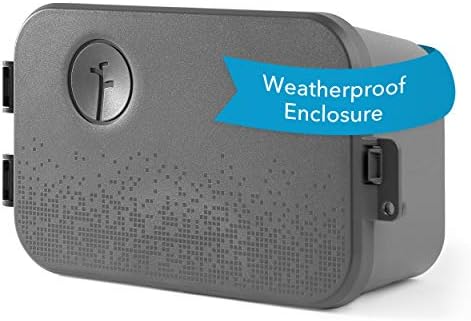
- Intelligent Irrigation Control: The Orbit Smart Sprinkler Controller manages watering with a powerful smart sprinkler th…
- Indoor/Outdoor Installation: Designed for versatile placement with a protective weatherproof case, this multi-zone sprin…
- Smart Scheduling & Management: Easily create custom irrigation schedules using an app controlled interface that allows u…
In summary, smart sprinkler controllers represent a significant advancement in irrigation technology. They offer a myriad of benefits, including enhanced water efficiency, programmable features, and smart home integration. As homeowners increasingly seek to adopt sustainable practices in their outdoor living environments, these innovative systems are becoming an essential component of modern landscaping solutions.
Key Features to Look For
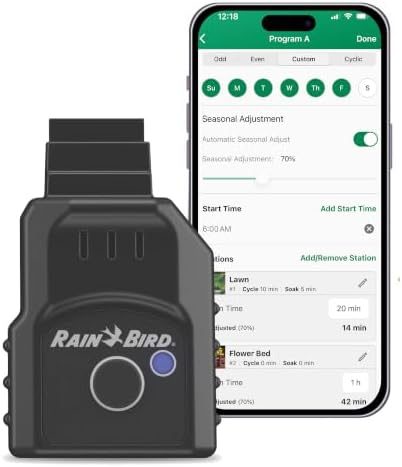
- Upgrade Existing Controllers with Wireless Access – Transform compatible irrigation controllers into connected systems w…
- Manage Watering from Virtually Anywhere – Adjust run times, update programs, activate rain delays, and control individua…
- Stay Informed with Smart Monitoring Tools – Receive status updates, monitor activity, manage multiple properties, and ac…
When selecting a smart sprinkler controller, it is essential to consider various features that enhance the functionality and adaptability of your smart irrigation system. Understanding these key features will help homeowners make informed decisions and align their sprinkling needs with available options in the smart outdoor living solutions market.
One of the most critical aspects is Wi-Fi connectivity. A smart sprinkler controller needs to connect to your home’s Wi-Fi network. This feature facilitates remote access via mobile applications, allowing users to monitor and control their watering schedules from anywhere. This capability not only provides convenience but also enhances efficiency in outdoor living maintenance. Without a stable connection, the controller loses its ability to fetch hyper-local weather updates, which is the primary driver of water savings.
Next, mobile app compatibility is vital. Look for smart irrigation systems that offer user-friendly mobile applications available on both Android and iOS platforms. These apps serve as the central hub for managing all smart features, including customizable watering schedules and real-time system notifications. By having an intuitive interface, users can adjust settings with ease, ensuring that their gardens receive just the right amount of water. Some apps even offer “Yard Maps” where you can take photos of your zones to easily identify which area you are adjusting.
Another significant feature is sensor integration. Some advanced smart sprinkler controllers come equipped with weather sensors or soil moisture sensors. These sensors utilize real-time environmental data to adjust watering schedules automatically, promoting water conservation and ensuring healthy plant growth. By incorporating these sensors, smart irrigation systems can adapt to changing weather conditions, thus optimizing water usage. For those in particularly dry climates, soil sensors are a game-changer as they measure the actual moisture at the root level rather than relying solely on atmospheric data.



Additionally, customizable watering schedules are a crucial feature to consider. Ideal controllers allow homeowners to set specific times and durations for watering different areas of their garden. This level of customization empowers users to efficiently manage their outdoor living spaces, ensuring that all plant types receive the necessary care without overwatering.
Lastly, ensure that the smart sprinkler controller is compatible with existing irrigation systems. Compatibility prevents the need for costly replacements and allows homeowners to enhance their current systems with smart technology seamlessly. When evaluating options, consider how well the controller integrates with popular systems to maximize its effectiveness.
USA Regulations and Local Compliance
Navigating the regulatory landscape in the USA is a vital step for any homeowner upgrading to a smart irrigation system in 2026. Many states, particularly those facing chronic water shortages like California, Arizona, and Texas, have implemented strict “WaterSense” requirements. The EPA WaterSense label ensures that a smart sprinkler controller is at least 20% more efficient than standard models. Choosing a device that meets the EPA WaterSense certification standards not only guarantees compliance with local municipal codes but often qualifies homeowners for significant utility rebates, sometimes covering up to 100% of the hardware cost. These certifications are rigorous, testing the controller’s ability to skip watering cycles based on real-time climate data accurately.
Furthermore, local “watering window” ordinances may dictate specific hours when irrigation is permitted. Advanced smart controllers help users stay compliant by automatically locking out forbidden watering times based on the user’s zip code. It is also important to check for backflow prevention requirements in your specific county, as these safety regulations ensure that irrigation water does not contaminate the local potable water supply. By prioritizing a controller that meets these USA-specific standards, you ensure a sustainable and legally compliant outdoor living environment.
Evaluating Brands and Models
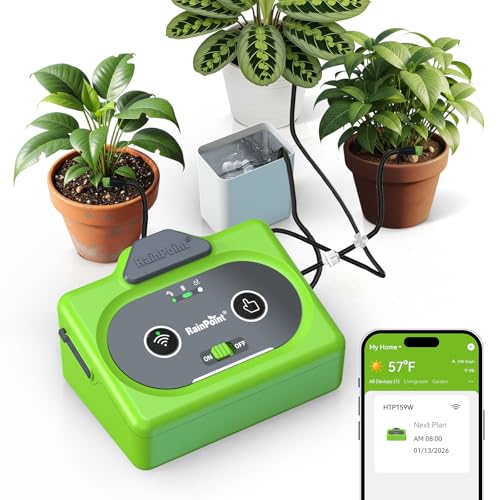


When it comes to selecting a smart sprinkler controller, understanding the different brands and models available in the USA is crucial. The market offers a variety of options, each with unique features and pricing structures that cater to different needs. For a detailed comparison of connectivity types, you may want to read our analysis on Wi-Fi vs Bluetooth Irrigation Controllers. Major brands in the smart irrigation systems sector include Rachio, Orbit, and RainMachine, each known for their innovative technology and user-friendly interfaces.
| Feature | Rachio 3 | Orbit B-hyve | RainMachine Touch HD |
|---|---|---|---|
| Price Range | $199 – $299 | $129 – $199 | $199 – $249 |
| Smart Integration | Alexa, Google, HomeKit | Alexa, Google Home | Alexa, Google, IFTTT |
| Weather Data | Premium Weather Intelligence | Local Station Data | Hyper-local Forecasts |
| Warranty | 2 Years | 2 Years | 1 Year |
| Best For | Advanced Automation | Budget-Friendly | Local Data Control |
Rachio, for example, is highly regarded for its smart sprinkler controllers that integrate seamlessly with platforms like Google Home and Alexa, allowing users to manage their irrigation systems via voice commands. Their devices typically come equipped with advanced weather data integration, which optimizes watering schedules based on real-time conditions. Pricing for Rachio controllers generally ranges from $199 to $299, depending on the number of zones supported.
Orbit also stands out in the market with its B-hyve series, which combines affordability and functionality. These smart irrigation controllers are equipped with customizable watering schedules and smartphone control features, priced competitively at around $129 to $199. Furthermore, customer reviews often highlight the reliability and ease of setup associated with Orbit products. Their hardware is often built into a weather-resistant cabinet, making them ideal for outdoor mounting without extra enclosures.
Another notable brand, RainMachine, appeals to eco-conscious users with its water-saving capabilities. Their models are compatible with both Google Home and Alexa as well, making them a fantastic choice for those looking to enhance their smart home experience. Pricing for RainMachine controllers generally varies between $199 to $249. Additionally, the warranties provided by each brand vary, with many offering a two to three-year warranty, which adds an extra layer of reassurance for users.
In analyzing these options, consumers should focus on their specific outdoor living needs and budget constraints. By comparing features, pricing, and customer feedback on these smart sprinkler controllers, users can make an informed decision that caters to both their gardening aspirations and technological preferences.
Expert Troubleshooting for Smart Systems
Even the most advanced smart irrigation systems can encounter technical hurdles. One common issue is Wi-Fi signal dropouts, often caused by the controller being mounted inside a garage or behind thick exterior walls. Experts recommend using a dedicated 2.4GHz Wi-Fi band for better range. Understanding the difference between 2.4GHz and 5GHz Wi-Fi is crucial, as the lower frequency penetrates exterior walls more effectively, which is vital for controllers located on the periphery of your home. If your controller is offline, always check the signal strength in the mobile app first before resetting the hardware. If the problem persists, consider a controller with an Ethernet port for a hardwired, fail-proof connection.
Another frequent challenge is sensor calibration errors. If your smart sprinkler is watering during a rainstorm, it may be due to a faulty rain sensor or delayed weather data syncing. Ensure your local weather station source is set correctly in the app settings. For soil moisture sensors, ensure them are buried at the correct root depth for your specific grass type to avoid “ghost” dry readings. Regularly cleaning the sensor probes can prevent mineral buildup from affecting accuracy. By addressing these connectivity and calibration issues promptly, you maintain the high efficiency expected of a modern smart home irrigation setup.
Installation and Maintenance Tips
Installing a smart sprinkler controller can significantly enhance the efficiency of your smart irrigation systems, ultimately benefiting your outdoor living space. For those considering a DIY approach, it is crucial to first read the manufacturer’s guidelines thoroughly. Familiarizing yourself with the installation process will not only ensure successful implementation but also help to utilize the full potential of your smart sprinkler. Most modern units feature “push-to-connect” terminals, which eliminate the need for wire nuts and make the process much cleaner for beginners.
Start by collecting all necessary tools, which typically include a screwdriver, adjustable wrench, and electrical tape. Identify a suitable location for the controller; it should be within reach of your Wi-Fi network to enable app connectivity and automation functionalities. Making electrical connections is important, and it must be performed with caution to avoid any hazards. Ensure that any existing wiring aligns properly with the new system. Labeling your wires with masking tape before disconnecting the old unit is a simple step that saves hours of troubleshooting later.
Once installed, regular maintenance is vital to ensure your smart sprinkler controller continues to function efficiently over time. Keep the software updated to benefit from improvements and new features released by the manufacturer. Additionally, seasonal checks on your system’s performance will help identify any potential issues that may arise. This includes assessing the water pressure, inspecting all connections, and ensuring that the sensors are functioning correctly. Don’t forget to winterize your system if you live in a region with freezing temperatures to prevent pipe bursts.
In some situations, seeking professional installation may be wiser. If you are unfamiliar with wiring or local plumbing codes, hiring an expert can avoid costly mistakes and guarantee compliance. A professional can also provide tailored advice based on the specific layout and irrigation needs of your garden. Thus, whether you opt for a DIY installation or choose to utilize a service, maintaining your system with regular software updates and performance reviews is key to the longevity and efficiency of your smart irrigation controllers.
Frequently Asked Questions
Do smart sprinkler controllers require a monthly subscription?
Most major brands like Rachio and Orbit offer their core smart features for free. However, some premium weather data services or advanced analytics may require a small annual fee.
Can I install a smart controller if I have an older, manual system?
Yes. As long as your existing system uses standard 24V AC wiring (the most common type in the USA), a smart controller can replace your old timer in about 20-30 minutes.
Will a smart sprinkler controller work during a Wi-Fi outage?
Yes. Most controllers store your schedule locally on the device. While you won’t be able to make remote changes or receive weather updates during the outage, the system will continue to water based on its last saved schedule.
How much water can I actually save?
On average, EPA WaterSense-certified controllers can reduce outdoor water use by 15-30%, which can save a typical US household nearly 7,600 gallons of water annually.