
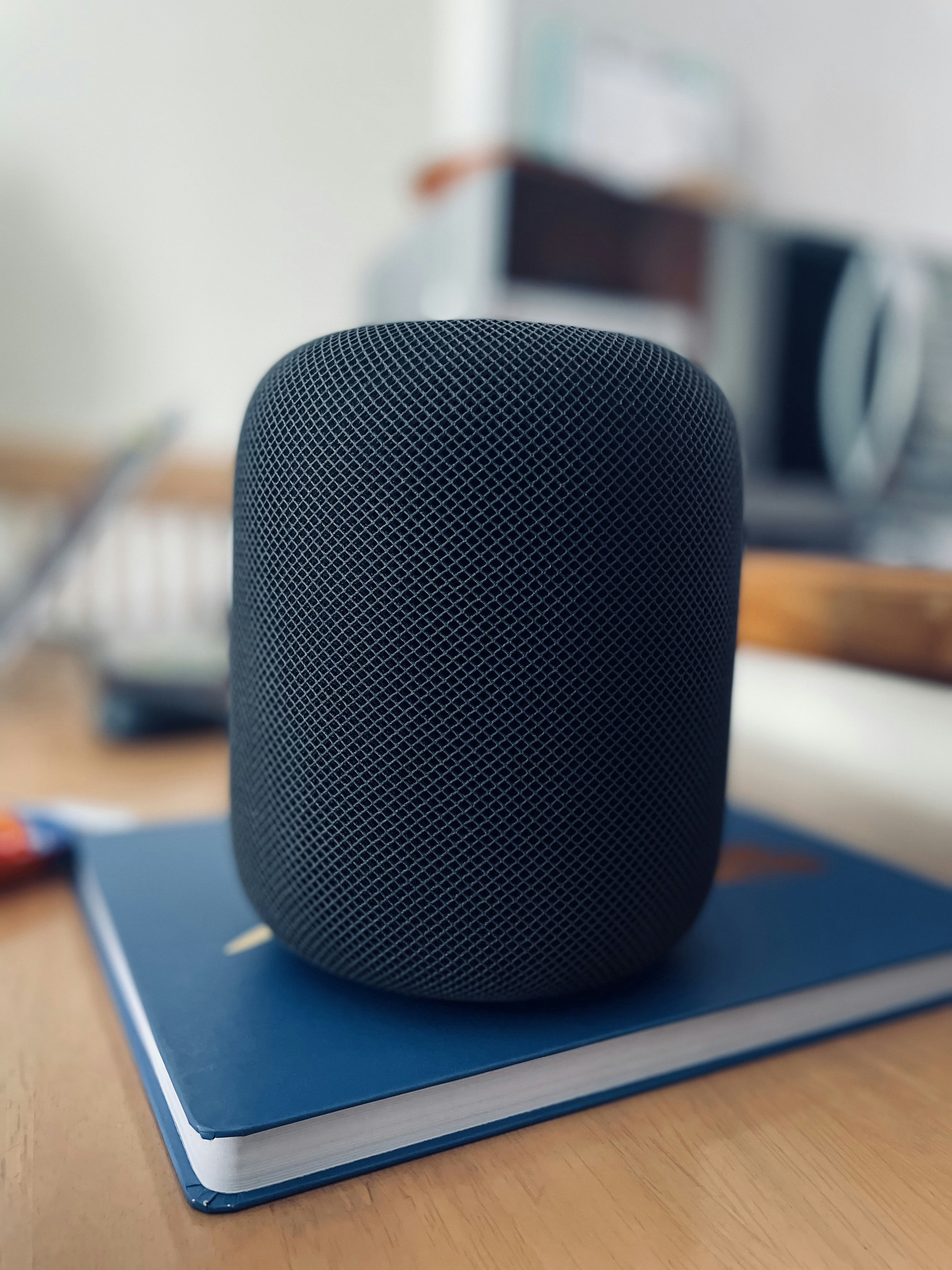
Introduction to Smart Speakers
Smart speakers have emerged as a groundbreaking innovation in the realm of home technology, revolutionizing the way individuals interact with their living spaces. These devices function as integrated hubs that combine advanced voice recognition technology, artificial intelligence, and connectivity features to provide a host of functionalities. At their core, smart speakers are designed to facilitate hands-free operation, allowing users to control various smart home devices, access information, play music, and much more, all through simple voice commands. hence the comparision between the amazon echo dot vs google nest mini.
The capabilities of smart speakers have expanded significantly over recent years. Users can now issue commands to play their favorite audio content, manage their daily schedules, set alarms, and even control lighting, thermostats, and security systems within their homes. This seamless integration allows for enhanced convenience and a more efficient lifestyle, especially in today’s fast-paced world. Furthermore, the ability to connect multiple smart speakers throughout a home creates a cohesive, smart environment that adapts to individual preferences.
Among the most popular smart speakers on the market are the Amazon Echo Dot and the Google Nest Mini. Both devices represent the forefront of smart technology, each boasting unique features and an extensive ecosystem of compatible devices. The Amazon Echo Dot utilizes Alexa, Amazon’s voice-activated assistant, offering personalized responses and deep integration with a vast array of smart home products. On the other hand, the Google Nest Mini operates with Google Assistant, providing intuitive search capabilities and integration with Google services for a tailored user experience. As smart speakers continue to grow in popularity, understanding their functionalities and exploring these leading options is essential for anyone looking to enhance their smart home setup.

- Your favorite music and content – Play music, audiobooks, and podcasts from Amazon Music, Apple Music, Spotify and other…
- Alexa is happy to help – Ask Alexa for weather updates and to set hands-free timers, get answers to your questions and e…
- Keep your home comfortable – Control compatible smart home devices with your voice and routines triggered by built-in mo…
Design and Build Quality
The Amazon Echo Dot and the Google Nest Mini are two of the most popular smart speakers available today. Each offers a distinctive design that complements their respective ecosystems while also catering to the aesthetic preferences of users.
Starting with the Amazon Echo Dot, the device sports a spherical shape that is modern and compact, making it suitable for various home environments. Its soft-touch plastic exterior is available in multiple finishes such as charcoal, heather gray, and plum, which allows users to choose one that best matches their decor. A notable feature is the fabric covering that not only enhances its visual appeal but also contributes to a better acoustic performance by allowing sound to diffuse effectively. The device features a slightly larger footprint than its predecessor, ensuring improved speaker quality, but it remains lightweight and can be easily placed on shelves, desks, or nightstands.
In contrast, the Google Nest Mini has a slightly smaller dimensions and also adopts a round shape, but the overall build quality is quite distinct. Wrapped in a fabric material made from recycled plastic bottles, it showcases Google’s commitment to sustainability. The top features a smooth, tactile surface with integrated touch controls that enhance user interaction. Furthermore, the device is available in various colors, such as chalk, charcoal, and coral, catering to diverse consumer aesthetics. The Nest Mini is designed with wall-mounting capability, adding versatility for users seeking to integrate it seamlessly into their smart home setups.
Both devices exhibit robust build quality, emphasizing durability and functionality. However, personal preference in design and the intended use context may significantly influence an individual’s choice between the two smart speakers. Ultimately, both the Amazon Echo Dot and Google Nest Mini stand out in the crowded market, offering solid options for enhancing the user’s home environment.

- VALUE BUNDLE INCLUDES: Google Nest Mini 2nd Generation Bluetooth Speaker with English, Spanish, French and Portuguese Gl…
- IT WORKS EVERYWHERE Easy to use and will automatically start up in English when connecting to your device for the first …
- BLENDS RIGHT INTO YOUR HOME Looks great on a nightstand, shelf, countertop – or the wall. This Nest Mini Speaker is smal…
Sound Quality Comparison
When evaluating the audio performance of smart speakers, the Amazon Echo Dot and Google Nest Mini emerge as two leading contenders. Both devices are designed to enhance the smart home experience, but they prioritize different aspects of sound quality, which can greatly influence user preference.
The Amazon Echo Dot boasts a surprisingly robust sound profile for its size. It features a 1.6-inch speaker that delivers clear vocals and balanced mid-range frequencies. The bass response, while not overwhelming, is adequate for casual listening and music playback. With its ability to connect to other Echo devices for multi-room audio, it can also sustain higher volume levels without significant distortion, making it suitable for various audio applications.
On the other hand, the Google Nest Mini presents a compelling choice with its updated audio capabilities. It incorporates a 40-mm driver and is equipped with a passive radiator that enhances low-frequency sounds, providing a fuller bass response compared to its predecessor. The overall clarity of sound is commendable, allowing for crisp vocal reproduction, which is especially beneficial when streaming music or listening to podcasts. Listening at higher volumes still maintains sound integrity, making it a reliable option for those prioritizing dynamic audio experiences.
Both smart speakers perform notably well within their respective price ranges; however, user preferences may lean towards one based on specific audio needs. The Echo Dot is ideal for users who enjoy a more balanced sound profile for general listening, while the Nest Mini caters to users who appreciate deeper bass and richer audio quality. Ultimately, the decision hinges on personal audio preferences and how each device integrates into the smart home setup. must read The Smart Speakers Buying Guide (What to look for)
Voice Assistants and Features
The Amazon Echo Dot is powered by Alexa, Amazon’s sophisticated voice assistant. One of its standout features is the ability to control smart home devices seamlessly. Users can manage lighting, temperature, and even security systems using voice commands, making the Echo Dot a central hub for smart home integration. In addition, Alexa supports a vast range of third-party applications, enhancing its functionality to include music streaming, weather updates, and more, making it a versatile assistant for daily tasks.
On the other hand, the Google Nest Mini operates through Google Assistant, which has its own unique strengths. Google Assistant excels at answering queries, thanks to its impressive natural language processing capabilities. This results in more conversational interactions, making it easier for users to ask complex questions. Furthermore, the integration with Google services allows it to seamlessly access calendars, reminders, and even emails, which can significantly enhance productivity.
Both smart speakers also offer exceptional control over various smart home products. With the Amazon Echo Dot, users benefit from the extensive “Works with Alexa” program, which ensures compatibility with a wide range of devices. Conversely, Google Nest Mini supports a plethora of smart home brands through the Google Home app, creating a more unified experience across different ecosystems. Ultimately, the choice between these two devices may depend on the user’s pre-existing smart home systems and their preferences for voice interaction.
In terms of exclusive capabilities, the Echo Dot features routines that enable users to set multiple actions triggered by a single voice command, while the Nest Mini can provide personalized responses based on the user’s profile, showcasing the strengths of each smart assistant. Therefore, understanding the differences in functionalities and features is crucial for those looking to enhance their smart home experience.
Smart Home Compatibility
When evaluating the integration capabilities of the Amazon Echo Dot and Google Nest Mini, it is essential to consider their compatibility with various smart home devices. Both of these smart speakers are designed to function seamlessly within a multitude of smart home ecosystems.
The Amazon Echo Dot excels in its compatibility with a vast array of smart home brands. It serves as a central hub for devices that support Amazon’s Alexa, which includes everything from smart bulbs like Philips Hue to security systems such as Ring. The setup process is straightforward, typically involving the use of the Alexa app, where users can easily link their smart devices. This user-friendly interface and broad compatibility streamline the process of creating a fully integrated smart home setup.
On the other hand, the Google Nest Mini also offers robust compatibility with countless smart home products. Built on the Google Assistant platform, it supports devices from brands such as Nest, Philips Hue, and smart plugs from TP-Link. Similar to the Echo Dot, the setup for the Nest Mini can take place through the Google Home app, enabling users to connect various devices effortlessly.
In terms of ease of use, both devices allow voice commands for managing smart home devices, facilitating a hands-free experience. However, users may consider the availability of specific features or products they already own when making their choice. While the Amazon Echo Dot tends to have a wider range of compatible products, the Google Nest Mini offers unique strengths, particularly in services tied to Google’s ecosystem.
Ultimately, the choice between these two smart speakers may come down to personal preference and the specific needs of one’s smart home system. Assessing compatibility with existing devices can significantly influence which speaker is the better option for each household’s setup.
Pricing and Value for Money
When considering the purchase of a smart speaker, the pricing structure is often one of the most critical factors influencing the decision. The Amazon Echo Dot and Google Nest Mini are two popular options in the smart speaker market, and both offer competitive pricing strategies. Generally, the Amazon Echo Dot is priced slightly higher than the Google Nest Mini, but promotional discounts frequently affect their respective prices. Seasonal sales, such as Black Friday or Amazon Prime Day, should be monitored as they can significantly reduce the cost of both devices, making them more affordable for consumers.
Despite their differences in pricing, it is essential to consider the value for money each device offers. The Amazon Echo Dot boasts a strong integration with the Alexa ecosystem, allowing users to control various smart home devices, stream music, and access a wide array of skills. In contrast, the Google Nest Mini excels in Google Assistant capabilities, providing seamless integration with Google-based services and smart home devices. Consumers should reflect on which ecosystem they are more invested in, as this will impact the overall value derived from the device.
Performance also plays a significant role in determining value for money. Reviews and user experiences indicate that the audio quality of the Google Nest Mini is superior, offering richer sound for music playback. However, the Echo Dot generally performs well enough for casual listening and is often praised for its voice recognition capabilities. Longevity must also be considered; both Amazon and Google typically release software updates to enhance functionality and performance over time, further extending the life of these smart speakers.
User Experience and Performance
When comparing the user experience and performance of the Amazon Echo Dot and Google Nest Mini, it is essential to consider various factors, including responsiveness, ease of use, and user feedback from real-world scenarios. Both smart speakers cater to users seeking to enhance their smart home experience, yet they provide distinctive advantages that appeal to different preferences.
Users frequently commend the Amazon Echo Dot for its strong audio performance and its integration with Amazon’s expansive ecosystem. Many find that the Echo Dot offers seamless connectivity with various smart home devices, which enriches the user’s interaction with their environment. According to customer reviews, many users have noted the device’s ability to respond quickly to voice commands, making it a convenient option for controlling smart home gadgets such as lights, thermostats, and more. Furthermore, the Alexa voice assistant is often praised for its extensive capabilities, handling a wide range of queries and tasks efficiently.
Conversely, the Google Nest Mini receives high marks for its exceptional voice recognition and adept handling of contextual requests. Users report that it performs remarkably well in busy environments, distinguishing voices even amidst background noise. The access to Google Assistant is typically viewed as a significant advantage for users who prefer more natural interactions and comprehensive search capabilities. Feedback indicates that many users appreciate the built-in capability to understand follow-up questions, which enhances conversational engagement with the device.
Both devices demonstrate noteworthy performances across diverse trials, but individual preferences regarding user interface and audio output will largely determine their overall appeal. The experiences reported by users highlight the strengths and weaknesses of each smart speaker while emphasizing the innovations that continue to shape the smart home landscape.
Accessibility and Customization Options
The Amazon Echo Dot and Google Nest Mini both provide impressive accessibility features and customization options for users. The Amazon Echo Dot, for instance, excels with its extensive range of skills that can be enabled through the Alexa app. Users can customize settings for various features, including music preferences, alarms, and routines to reflect their daily schedules. Routines allow users to group multiple actions together, simplifying voice commands to control smart home devices. For instance, saying “Good morning” can activate the lights, start a coffee maker, and provide a weather update all at once.
On the other hand, Google Nest Mini employs Google Assistant’s capabilities, allowing for deep integration with Google’s services, such as Calendar and Gmail. Users can tailor their Nest Mini experience by adjusting settings for Google Home routines, which also streamlines daily tasks. Additionally, the Google Home app encourages users to personalize their devices, linking them to various compatible smart home products. This flexibility promotes a cohesive smart home environment that adapts to individual preferences.
Accessibility features are also significant in enhancing the user experience for individuals with disabilities. The Amazon Echo Dot includes voice commands and can integrate with Life360, making it easier for users to stay connected with family members for support. Furthermore, it supports closed captioning for music lyrics and complete voice control for various functions. In contrast, Google Nest Mini supports accessibility features like voice recognition for different users, which allows for customized experiences based on individual preferences.
To summarize, both devices provide substantial customization and accessibility features, catering to a wide range of user needs and preferences. Whether choosing the Amazon Echo Dot or Google Nest Mini, users are likely to find a smart speaker that enhances their smart home experience.
Conclusion: Which is the Better Choice?
When evaluating the capabilities of the Amazon Echo Dot and the Google Nest Mini, it is evident that both smart speakers offer unique advantages suited to varying user requirements. The Amazon Echo Dot is particularly favored for its extensive compatibility with a range of smart home devices and its superior sound quality for music playback. Furthermore, its Alexa voice assistant provides seamless integration with numerous services and third-party applications, making it an excellent choice for users who prioritize smart home automation.
On the other hand, the Google Nest Mini stands out for its exceptional voice recognition capabilities and the intuitive Google Assistant. Users who heavily utilize Google services—such as Gmail, Google Calendar, or YouTube—will find the Nest Mini particularly beneficial, as it synergizes effortlessly with those ecosystems. Moreover, its compact design and improved sound output for its size make it an appealing option for small spaces.
Ultimately, the choice between the Amazon Echo Dot and Google Nest Mini hinges on personal preferences and specific requirements. Users who seek sophisticated smart home control and music capabilities may find the Echo Dot more aligned with their needs. Conversely, those who prioritize effective voice control and integration with Google applications might prefer the Google Nest Mini. It is prudent for potential buyers to assess their current smart home setups and the digital ecosystems they are already integrated with. As the landscape of smart speakers evolves, either option represents a formidable choice in enhancing a smart home environment.