Introduction to Smart Lighting Options
When upgrading your home automation, deciding between light strips vs bulbs is a pivotal choice for any homeowner. Smart lighting has become a pivotal element in the evolution of home automation, offering enhanced control over their living spaces. This modern technology allows for customizable lighting solutions, enabling users to adapt the ambience of their homes to suit various occasions or preferences. Among the leading choices in this burgeoning category are smart light strips and smart bulbs, each with distinct characteristics that cater to specific needs.
Smart light strips are versatile lighting solutions that come in flexible lengths and can be easily installed in various locations. They are particularly popular for accentuating architectural features, under-cabinet lighting, or creating immersive home theater experiences. Typically equipped with RGB capabilities, these strips allow users to create a spectrum of colors and dynamic lighting effects, enhancing the visual appeal of different rooms. Additionally, the integration of smart technology means that such strips can be controlled remotely via smartphone apps or voice assistants, making them a convenient option for modern home automation.
In contrast, smart bulbs provide a more traditional lighting solution while incorporating advanced features. These bulbs are designed to fit existing fixtures, making it easy for users to upgrade their lighting without extensive modifications. If you are just starting out, you might want to check out the 10 Smart Light Bulbs of 2026 for the latest models. Smart bulbs can also be color-changing and dimmable, creating ambiance while helping to save energy. Most brands offer compatibility with popular home automation platforms, allowing seamless integration into broader smart home systems.
As smart lighting continues to gain traction in residential settings, consumers increasingly seek to understand the differences between smart light strips and smart bulbs. By evaluating individual needs, homeowners can make informed choices regarding which option aligns best with their home automation goals.
What are Smart Light Strips vs Bulbs?
Smart light strips are versatile lighting solutions that consist of flexible LED lights embedded within a strip, allowing for a range of applications in home automation and decorative lighting. Their design typically permits easy installation, which can be done along walls, ceilings, furniture, and even around multimedia devices, adding vibrant colors and customizable brightness levels to any space. According to Energy Star, choosing certified LED products can significantly reduce energy consumption in your home.
These strips stand out due to their ability to be configured and controlled through a smartphone app or compatible smart home devices. Users can adjust the color, intensity, and even create lighting schedules or scenes that match their preferences or activities. This level of control facilitates energy efficiency, as users can turn them on and off remotely or create automation routines that align with their daily activities. For those looking for more comprehensive setups, understanding the best smart lighting system for full home set up can be very beneficial.
Additionally, smart light strips often feature integrations with voice assistants like Amazon Alexa or Google Assistant, allowing for hands-free operation. This capability makes them not only practical in everyday use but also enhances the overall user experience by seamlessly fitting into the modern smart home ecosystem. Unlike traditional lighting options, which typically offer preset colors and limited functionalities, smart light strips provide an extensive palette of colors and dynamic lighting possibilities. The flexibility in positioning them adds to their appeal, as they can be adapted to various surfaces and spaces.
In essence, smart light strips offer an innovative approach to lighting, combining functionality, adaptability, and ease of use in a manner that stimulates creativity in home decor. Their unique characteristics make them a favorable choice for those looking to enhance their living spaces with modern lighting technologies.
What are Smart Bulbs?
Smart bulbs represent a significant advancement in home lighting technology, distinguished by their ability to connect to a home automation system, allowing users full control over their lighting environment. These innovative devices not only serve as traditional light sources but also offer a wide variety of features that enhance their utility and appeal.
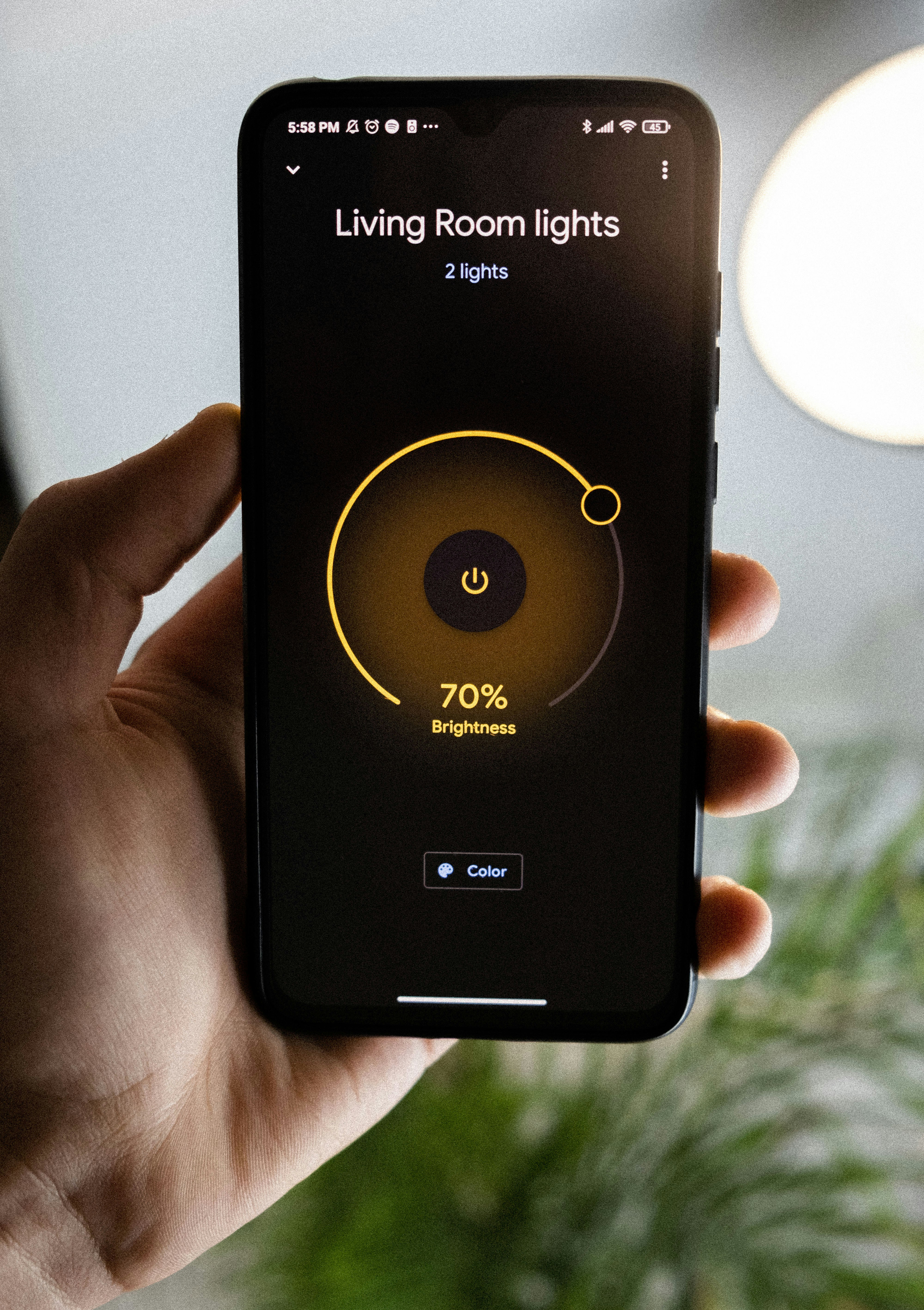
At their core, smart bulbs are equipped with wireless communication capabilities, often utilizing Wi-Fi, Zigbee, or Bluetooth. This connectivity allows them to be controlled remotely via mobile applications or integrated home assistants such as Amazon Alexa, Google Assistant, or Apple HomeKit. With these functionalities, users can schedule lighting routines, adjust brightness levels, and personalize color settings, ultimately creating an ambiance that suits different activities or moods. If you’re on a budget, consider looking at the best budget smart light bulbs under $30.
There are various types of smart bulbs available on the market today, each with unique functionalities. For instance, some bulbs offer the ability to change colors, allowing users to customize the lighting to match an occasion or personal style. Others focus on energy efficiency, boasting LED technology that can significantly reduce energy consumption compared to traditional incandescent bulbs. Additionally, smart bulbs may include features such as dimming capabilities and tunable white light, which adjusts the color temperature from warm to cool depending on the time of day.
Versatility is a hallmark of smart bulbs, providing solutions for diverse spaces within a home. They can be installed in fixtures such as lamps, ceiling lights, or recessed lighting, contributing to both aesthetic and functional elements of home design. As part of a smart home ecosystem, these bulbs seamlessly integrate with other smart devices, enabling users to create an interconnected and visibly appealing living environment. For a deeper look into the technical standards of these devices, you can visit the IEEE website.
The growing popularity and practicality of smart bulbs in home automation underline their role as essential components for modern lighting solutions.
Key Differences Between Light Strips and Bulbs
Smart light strips and smart bulbs represent two popular choices in the realm of home automation, each offering unique benefits depending on the application and user preference. One of the most fundamental differences is their installation process. Smart bulbs typically replace existing bulbs in standard fixtures, making installation straightforward. In contrast, smart light strips require adhesive backing for installation, allowing for more flexibility in placement, such as under cabinets, along walls, or around furniture.
When it comes to light output, smart bulbs generally provide a more focused beam of light, making them suitable for providing illumination in designated areas, such as living rooms or bedrooms. Conversely, smart light strips offer diffuse lighting that can enhance ambient environments, creating various effects and moods throughout a space. This characteristic can prove advantageous for creating a particular atmosphere in a room. For more specific comparisons, you might enjoy reading about smart lights vs smart switches.
Color options also differ significantly between the two. Smart bulbs usually offer a range of color temperatures and a spectrum of colors, which can be used to adjust the ambiance. However, smart light strips often provide a more extensive range of RGB color combinations, making them ideal for decorative purposes or enhancing the aesthetics of an event.
Control methods can vary, too. Both smart light strips and smart bulbs can be controlled via mobile apps or smart home ecosystems, allowing for seamless integration into your home automation system. Nonetheless, certain smart strips may offer advanced features like music synchronization, adding a dynamic element to your lighting experience.
Lastly, pricing can be a deciding factor. Generally, smart bulbs are readily available at various price points, while smart light strips can be more expensive due to their versatility and length options. Each option holds unique advantages depending on specific needs, making understanding their differences essential for consumers.
Use Cases for Smart Light Strips
Smart light strips have gained popularity due to their adaptability and versatility in various settings, making them an ideal choice for countless scenarios. One of the primary use cases of smart light strips is in home decoration. With their ability to be placed along walls, under furniture, or even around staircases, they can dramatically enhance the aesthetic appeal of any space. The ambient color options available with these strips allow homeowners to customize their environments, creating a personalized atmosphere.
Beyond mere decoration, smart light strips are also perfect for mood lighting. For intimate gatherings, entertaining guests, or simply winding down after a long day, these strips can easily transition from vibrant colors to softer tones according to your needs. Furthermore, with the integration of home automation systems, users can schedule their smart light strips to adjust brightness or color based on specific times or activities, enhancing the atmosphere effortlessly. If you need inspiration, check out these smart light automation ideas.
Another significant scenario where smart light strips excel is in home theater environments. When watching movies or streaming shows, these strips can be programmed to sync with the screen, creating dynamic lighting effects that heighten the immersive experience. By illuminating the space in tandem with the film or TV show, users can enjoy a cinematic feel right from their living room. Additionally, the versatility of smart light strips means they can also be repurposed in gaming setups, offering gamers an enhanced visual experience during play.
In conclusion, the adaptability of smart light strips makes them suitable for a variety of settings and occasions, from practical decoration to creating the perfect ambiance for entertainment. Their ease of use and integration with home automation systems further solidifies their standing as a valuable addition to any household.
Use Cases for Smart Bulbs
Smart bulbs serve as an essential component of modern home automation, offering versatile lighting solutions suitable for a range of scenarios. Their primary advantage lies in their ability to deliver both general lighting and task-specific illumination, rendering them ideal for various home settings.
For general lighting, smart bulbs provide a well-rounded source of brightness that can illuminate an entire room effectively. They are available in multiple brightness levels and color temperatures, allowing users to customize the ambiance effortlessly. Whether for daily activities in the living room, communal gatherings in dining areas, or cozy evenings in bedrooms, smart bulbs enable a tailored lighting experience that adapts to specific needs. For bedroom-specific advice, see the best smart light for bedroom ambience.
Moreover, when it comes to task lighting, smart bulbs play a pivotal role in enhancing productivity and focus. For instance, within a home office or study, brighter cool light settings can promote alertness and stimulate concentration during work hours. Alternatively, during more relaxed moments such as reading or hobbies, users can switch to warmer tones that create a calming environment conducive to leisure activities.
Another significant advantage of smart bulbs is their remarkable flexibility in fixture types. They can easily replace traditional light bulbs in fixtures ranging from ceiling lamps to desk lamps, making them an accessible upgrade for virtually any existing lighting setup. Additionally, many models are designed to be compatible with various smart home systems and voice-activated technologies, allowing effortless integration into users’ daily routines.
With their capability to adapt to different atmospheres depending on the setting and the time of day, smart bulbs are a smart choice for anyone seeking both functionality and versatility in lighting solutions. As homes continue to evolve technologically, the importance of these lighting solutions remains paramount in creating enjoyable living spaces.
Energy Efficiency and Longevity
When considering the energy efficiency and longevity of smart light strips versus smart bulbs, both options boast significant advantages that can influence consumer choice. Smart light strips, often designed to run along edges and corners, can provide illumination and aesthetics while utilizing energy-efficient LED technology. By leveraging these advanced LED systems, smart light strips typically consume less energy than traditional incandescent bulbs, resulting in lower electricity bills.
In terms of energy saving, smart bulbs also reflect a similar trend. Many of these bulbs offer dimming capabilities and can be integrated into home automation systems, which allows users to control their energy consumption remotely. This ability not only maximizes efficiency by adapting to real-time needs but also contributes to a reduction in power usage over time. For some users, the ability to adjust the brightness of smart bulbs can lead to considerable energy savings.
When discussing longevity, it is important to note that both smart light strips and smart bulbs enjoy an extended lifespan compared to traditional lighting options. Smart bulbs often last upwards of 25,000 hours on average, while smart light strips can have a comparable lifespan depending on the quality of components used. High-quality smart strips can easily reach or exceed this threshold.
Moreover, the lifespan of both types can become a deciding factor for many consumers. The longer life expectancy effectively means less frequent replacements, contributing to both sustainability and cost savings over the long term. As consumers become increasingly aware of their environmental impact, choosing energy-efficient lighting solutions like smart light strips or smart bulbs aligns well with eco-friendly practices.
Ultimately, energy efficiency and longevity are key considerations when deciding between smart light strips and smart bulbs. Each option presents unique benefits, positioning them as favorable choices for modern home automation.
Installation and Setup Process
When considering the installation and setup of smart light strips and smart bulbs, it is essential to examine both options closely due to their differing methodologies and compatibility with existing fixtures.
Smart bulbs typically replace traditional light bulbs in standard sockets, which simplifies the installation process. Users can easily screw these bulbs into existing fixtures without requiring any special tools or equipment. Once installed, users need to download the associated app specific to the bulb brand, such as Philips Hue or LIFX, to connect to their home Wi-Fi network. This process usually involves creating an account and following simple on-screen instructions, making smart bulbs an accessible choice for most consumers. If you run into trouble, you can refer to our guide on fixing smart light connection issues.
On the other hand, smart light strips offer a different installation experience. These strips often come with adhesive backing for easy attachment to surfaces, allowing for versatile placement options, such as under cabinets, along walls, or around furniture. However, users must ensure that the surface is clean and dry before application to ensure strong adherence. Smart light strips typically also require a power source; therefore, users may need to consider configurations for access to electrical outlets or utilize extension cords if necessary.
Both smart light strips and bulbs typically integrate with home automation systems, enhancing their ease of use. Users can control their devices through dedicated applications, enabling features like scheduling, dimming, and even color customization at the touch of a button. Many smart light devices are also compatible with voice control systems such as Amazon Alexa or Google Assistant, offering further convenience.
Importantly, when selecting between the two, homeowners should consider their existing fixtures and preferred aesthetic. In summary, while smart bulbs may offer a straightforward installation process, smart light strips provide creative flexibility in configuration, ultimately catering to varied preferences for home lighting solutions.
Conclusion: Making the Right Choice
When deciding between smart light strips and smart bulbs, various factors come into play, including functionality, aesthetic appeal, and specific home automation needs. Smart light strips are ideal for creating dynamic lighting arrangements along walls, furniture, or in other architectural elements, allowing for a more immersive and customizable ambiance. Their flexibility and ease of installation make them suitable for both decorative purposes and task lighting, helping to accentuate specific areas.
On the other hand, smart bulbs provide straightforward, versatile lighting solutions that can replace standard light fixtures. They are designed for general lighting and can easily integrate into existing fixtures without requiring additional modifications. The convenience of controlling brightness and color through mobile apps or voice commands further enhances their appeal, making them practical for everyday use.
Ultimately, the choice between smart light strips and smart bulbs boils down to personal preferences and specific applications within the home. For those looking to enhance ambiance and visual interest, smart light strips may be the preferable option. Meanwhile, individuals seeking functional, straightforward lighting for their living spaces might find that smart bulbs suit their needs more effectively. Consideration of the room layouts, desired lighting effects, and any existing home automation systems will also play a vital role in making an informed decision.
Final Thoughts on Light Strips vs Bulbs
By evaluating these criteria, individuals can select the most suitable lighting solutions—be it smart light strips or smart bulbs—that align with their lifestyle and enhance the functionality of their spaces.