
Understanding How Alexa Works
Amazon’s Alexa is a sophisticated virtual assistant housed in smart speakers that leverages advanced voice recognition technology to respond to user commands. At the core of Alexa’s functionality is a process known as Automatic Speech Recognition (ASR). This technology converts spoken language into text, enabling the device to comprehend the commands given by users. Consequently, many users wonder: is Alexa always listening to every word spoken in the home?
When you activate an Alexa speaker using the wake word “Alexa,” the device begins a listening phase, known as passive listening. In this state, the smart speaker continuously listens for the wake word without recording. Once the wake word is detected, the device transitions to active listening, where it captures and processes the spoken command in real time. This shift ensures that the user’s conversations remain private until they choose to interact with the smart home device.
Furthermore, once the command is recognized, Alexa processes the input using Natural Language Understanding (NLU), interpreting the intent behind the spoken words. This technology enables Alexa to not only execute commands but also engage in more complex dialogues, enhancing user interaction beyond simple queries. The processed information is then sent to the cloud, where it is analyzed in real-time. Following this analysis, Alexa generates a response or executes an action, such as turning on a smart light or providing information from the internet.
It’s important to note that while Alexa speakers are constantly listening for the wake word, they do not record or transmit audio until they have detected that wake word. This distinction between active and passive listening is crucial for understanding the device’s commitment to user privacy, as well as the technical underpinnings of how these smart speakers operate. According to Amazon’s official privacy documentation, devices are designed to only record audio after the wake word is detected.
The Listening Mechanism: Is Alexa Always Listening?
Alexa speakers utilize sophisticated technology to process voice commands, which starts with the implementation of a wake word. This wake word, typically “Alexa,” serves as a trigger that activates the smart speaker’s listening mode, allowing it to respond to user input. When a user utters the wake word, the device begins recording the audio, enabling it to capture the subsequent command.
The detection of the wake word is achieved through a combination of onboard audio processing and cloud-based algorithms. The smart speakers are equipped with array microphones that continually listen for the acoustic pattern associated with the wake word. Once detected, the device activates its full processing capabilities, enabling it to interpret the ensuing command accurately.
After a command is given, Alexa speakers employ advanced audio processing techniques to transform the captured voice data into digital information. This process involves converting sound waves into a format that can be analyzed and understood by the system. The processed data is then transmitted to Amazon’s cloud infrastructure, where it can be matched with the relevant actions or responses, such as controlling smart home devices or providing information on various topics. For those looking to expand their setup, checking a Smart Speakers Buying Guide can help identify the best hardware for privacy.
Data storage remains a vital component of the Alexa ecosystem. User commands and preferences can be stored to facilitate personal tailored responses and improve the overall user experience. Additionally, users have the option to review and manage their voice recordings, thereby maintaining control over what data is retained. This transparent system aims to provide users with confidence in their interactions with smart speakers while ensuring the functionality of Alexa remains optimal.
Privacy Concerns and User Control
With the increasing prevalence of smart speakers, especially Alexa speakers, in households, concerns surrounding privacy have surfaced among users. The core of these concerns revolves around the potential for constant listening and data collection associated with voice-activated devices. Users often wonder to what extent smart speakers gather information and how this data is handled.
Alexa, like other smart home devices, utilizes voice recognition technology to respond to user commands. While this capability enhances user convenience, it raises questions about the extent of surveillance embedded within the system. Amazon states that Alexa only begins recording when activated by the wake word. Nevertheless, users are apprehensive about accidental activations leading to unintended data collection.
When it comes to data management, users have some level of control over what is recorded and stored. In the Alexa app, users can review their interaction history, which provides insights into the voice commands submitted to the device. Moreover, settings are available to manage the storage duration of voice recordings. Users can opt to delete specific recordings or clear their entire history at any time, ensuring a degree of privacy. While this level of control gives users power over their data, some remain skeptical about how effectively their privacy is protected.
Understanding these privacy implications is crucial as smart speakers become integral to smart home systems. As advancements in technology continue to evolve, ongoing discussions surrounding user control, transparency in data practices, and the balance between convenience and privacy are essential for users considering integrating Alexa or similar smart speakers into their daily lives.
Facts and Myths about Alexa’s Listening Habits
The topic of Alexa’s listening capabilities often spawns a multitude of myths that can cloud the understanding of how these smart speakers actually function. One of the prevalent myths suggests that Alexa is always listening to everything happening in a household. In truth, while Alexa devices are designed to listen for their wake word—”Alexa”—they do not continuously record audio unless activated. This functionality is essential for smart home automation, as it allows users to interact seamlessly with their devices.
However, there have been instances when Alexa mistakenly recorded conversations that did not involve a wake word. These unintended recordings sparked privacy concerns, highlighting the importance of understanding how smart speakers operate. Privacy experts assert that these occurrences, although rare, illustrate potential vulnerabilities in voice recognition technology. Amazon, the manufacturer of Alexa speakers, has taken steps to address such issues by enhancing the wake word detection algorithms and allowing users to manage their voice recordings through privacy settings.
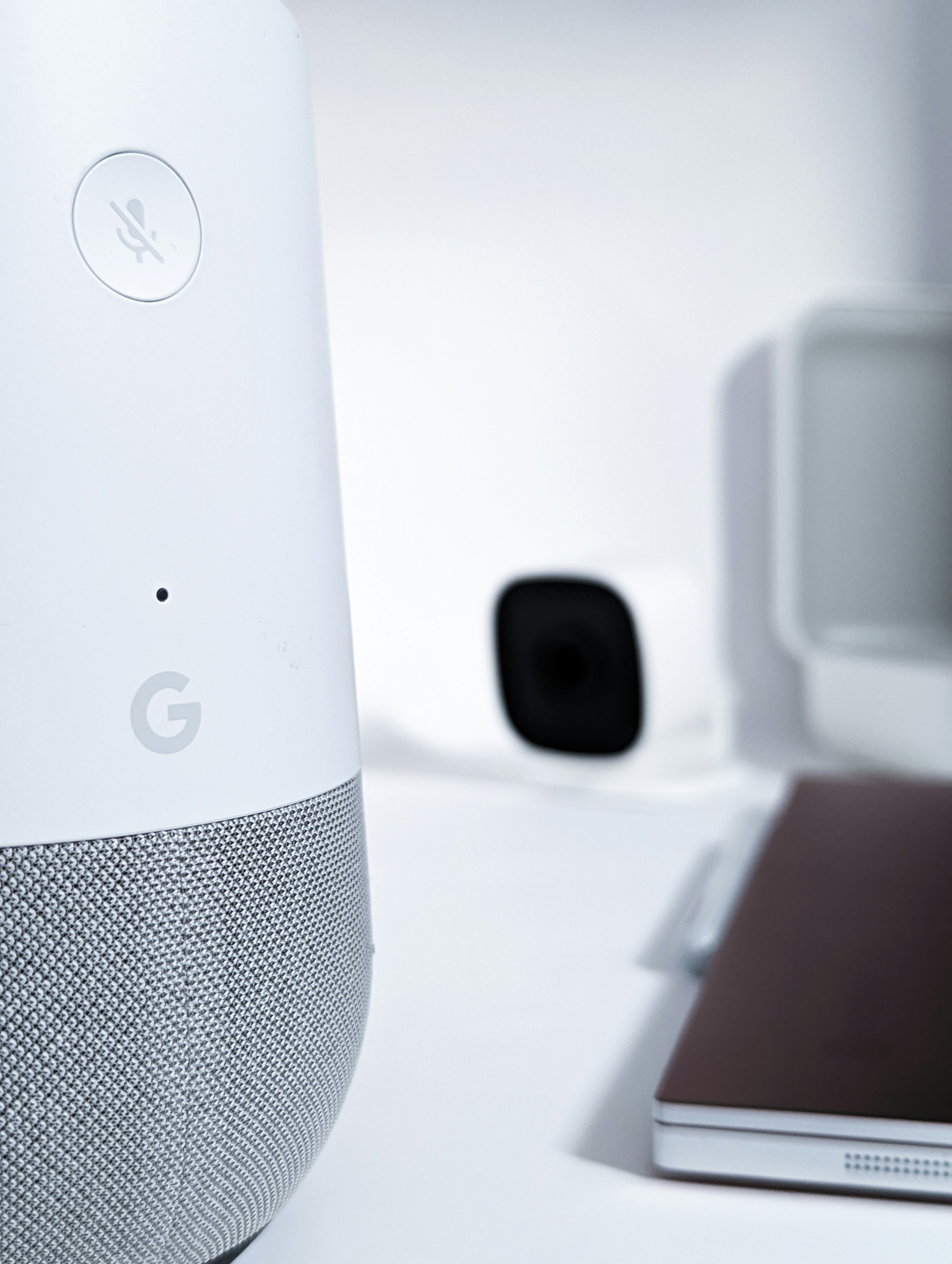
It’s also crucial to differentiate between what is and isn’t shared with third parties. By default, Alexa does not share recorded audio with outside entities; however, users are encouraged to review their privacy settings to ensure data integrity. Experts recommend being proactive, such as muting the microphone when the device is not in use. This simple action can provide peace of mind regarding private conversations.
In conclusion, while some myths about Alexa’s functionality may create fear and uncertainty, understanding the facts can help users make informed decisions regarding the integration of smart speakers into their smart home systems. A balanced perspective on privacy and efficiency can contribute to a more secure and enjoyable experience with these technologies.