
Introduction: More Than Just a Speaker
Smart speakers have come a long way from being just a “voice in a box.” If you’re like most people, you probably started by asking Alexa for the weather or setting a kitchen timer. But today, these devices have evolved into the central nervous system of the modern home. They’ve transitioned from simple audio playback systems into multifaceted tools that can manage your entire morning routine, secure your front door, and even act as a high-fidelity sound system for your next dinner party.
The journey began with the early days of Siri and Alexa, which laid the groundwork for the seamless interaction we enjoy now. When the first Amazon Echo hit the scene, it felt like science fiction—suddenly, we could talk to our houses. This rapid evolution has led to a market flooded with options, ranging from tiny, budget-friendly dots to massive, room-filling towers. Understanding this evolution helps you realize that you aren’t just buying a speaker; you’re choosing a digital companion that will live in your most personal spaces.
Understanding Your Needs: Start with Your Lifestyle
Before you get lost in technical specs and decibel levels, take a moment to think about your daily life. How will this device actually serve you? If you’re a music purist, your needs are vastly different from someone who just wants a hands-free way to add eggs to their grocery list. For instance, if you’re someone who loves hosting backyard BBQs or outdoor events, you need to prioritize portability and ruggedness over a sleek, fabric-covered design that can’t handle a splash of water.
Next, look at your household as a whole. A smart speaker in a family home needs to be versatile. It should be simple enough for kids to ask for educational games but powerful enough for adults to manage complex smart home scenes. Compatibility is the “silent killer” of a good user experience—not every speaker plays nice with every lightbulb or thermostat. Your existing tech stack (whether you’re an iPhone user or an Android fan) should heavily influence which “brain” you bring into your home.
Key Features: What Really Matters
When you’re comparing models, don’t let flashy marketing distract you. There are four pillars of a great smart speaker experience. First is Sound Quality. If you plan on using this as your primary music source, look for high-fidelity audio. The best speakers for outdoor events or large living rooms need to maintain clarity even at high volumes, ensuring the music feels rich rather than tinny.
Second is Voice Recognition. There is nothing more frustrating than shouting at a device that won’t listen. Look for speakers with “far-field” microphone arrays that can pick up your voice over the sound of a TV or a running faucet. Third is Smart Home Integration. Your speaker should be a hub, not an island. It should act as the conductor for your lights, locks, and cameras, streamlining your life into simple voice commands. Finally, consider Multi-Room Support. Being able to “follow” your music from the kitchen to the bedroom creates a cohesive home environment that feels truly modern.
Comparing the Giants: Amazon, Google, and Apple
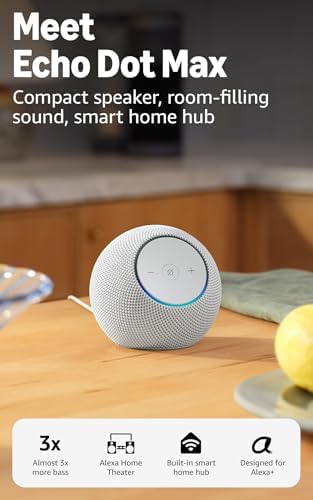
- Meet Echo Dot Max: Experience rich room-filling sound that automatically adapts to your space and fine-tunes playback. F…
- Music to your ears: With nearly 3x the bass versus Echo Dot (2022 release), it fits beautifully in any space, delivering…
- Do more with device pairing: Connect compatible Echo smart speakers and smart displays in different rooms, or pair with …
Choosing a brand is often like choosing a team. Amazon’s Echo series is the most versatile choice. The Echo Dot, for example, punches way above its weight class in terms of sound, and Alexa has the widest range of “skills” and third-party integrations. However, if you’re looking for deep, cinematic bass, you might need to step up to the larger Echo Studio.
Google’s Nest Audio is the choice for the information-hungry. Its voice recognition is incredibly intuitive, and because it’s powered by Google Search, it’s the best at answering those “how-to” questions in the kitchen. On the other hand, Apple’s HomePod mini is all about the ecosystem. If you’re already deep into the world of iPhones and Apple Music, the handoff features and privacy-first approach make it a compelling, albeit more restricted, option.
The Importance of Compatibility and Protocols
Compatibility is the glue that holds a smart home together. A speaker that can’t talk to your smart plugs is just a speaker. Beyond just the brand name, you need to look at the communication standards. Does the speaker support Zigbee, Z-Wave, or the new Matter standard? These protocols determine how well your devices “talk” to each other. For a unified experience, especially if you have a mix of different smart brands, choosing a speaker that supports a broad range of standards is essential for a frustration-free setup.
Budgeting: Finding the Sweet Spot
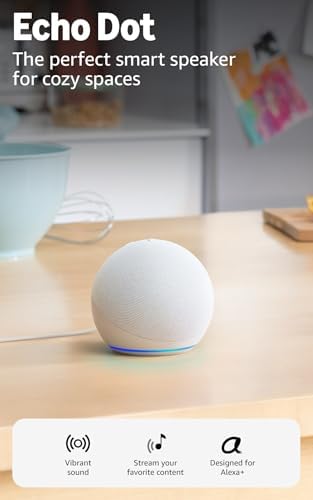
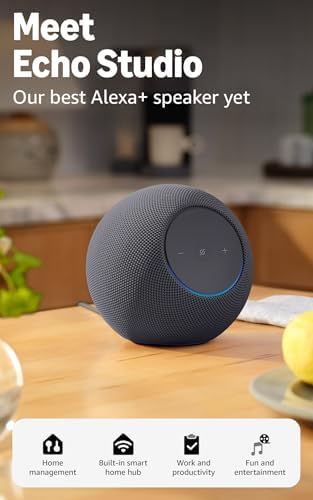
Smart speakers generally fall into three buckets. Budget options ($25–$100) are perfect for secondary rooms like bathrooms or guest rooms. They give you the full AI experience without a huge investment. Mid-range speakers ($100–$250) are the “Goldilocks” zone—offering a significant jump in audio quality and better smart home hubs. Premium options ($250+) are for the audiophiles. These are designed to replace your traditional hi-fi system and provide room-filling, high-fidelity sound that can handle everything from a quiet evening to a loud outdoor gathering.
Setup and Optimization: Getting the Best Experience
Setting up your new speaker is just the beginning. Once it’s connected to your Wi-Fi via the companion app, take ten minutes to dive into the settings. Customize your “wake word,” set up voice profiles so the speaker recognizes different family members, and link your preferred streaming services. Optimization also means physical placement—keeping your speaker away from corners can prevent “boomy” bass, while placing it at ear level can significantly improve clarity. must read How to Connect Alexa to WiFi: A Simple 5-Minute Guide (2026)
Troubleshooting: When Tech Goes Wrong
Even the best tech has bad days. Connectivity issues are the most common headache. Usually, a quick “power cycle” (unplugging it for 30 seconds) fixes 90% of Wi-Fi drops. If the speaker isn’t hearing you, check for physical obstructions or dust on the microphones. For outdoor use, remember that distance from your router is your biggest enemy—if you’re planning an outdoor event, a Wi-Fi extender might be your best friend to ensure the music doesn’t cut out mid-song.
Frequently Asked Questions (FAQs)
1. Can I use them outdoors? Yes, but look for IP-rated (water-resistant) models. For outdoor events, selecting the best speakers that are weather-resistant and portable is crucial.
2. Are they private? Most have physical mute buttons and allow you to delete your voice history. It is essential to review privacy policies and settings to feel secure while using these devices.
3. Do I need a hub? Many modern smart speakers have built-in hubs (like Zigbee or Matter support), saving you from buying extra gear to control your smart home devices.
4. How do I set up a smart speaker? The setup process typically involves connecting your smart speaker to your home Wi-Fi network using a companion app on your smartphone or tablet.
5. Can smart speakers be integrated with other smart home devices? Yes, smart speakers can often connect and control various smart home devices, such as lights, thermostats, and security systems through voice commands.
Final Thoughts: At the end of the day, selecting the right smart speaker can improve your quality of life significantly, making your home more responsive and your entertainment more accessible.